By Founder and President Kurt Lieber
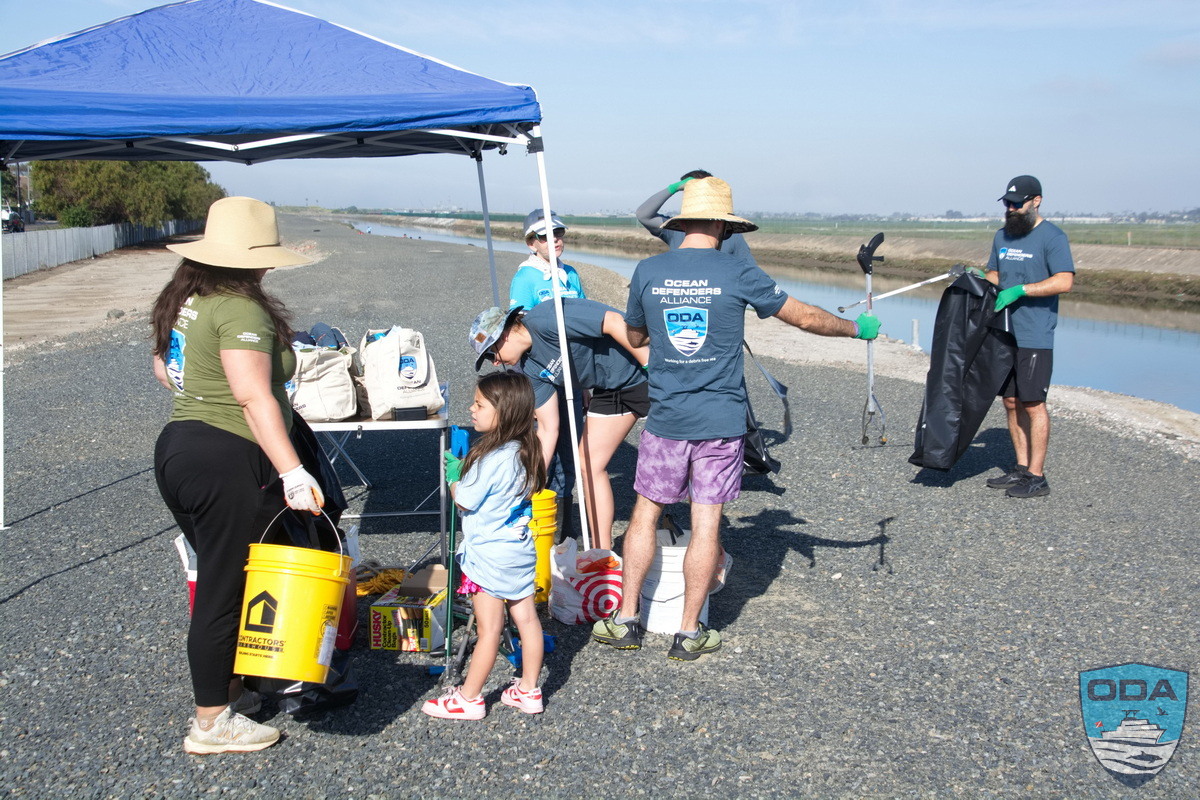
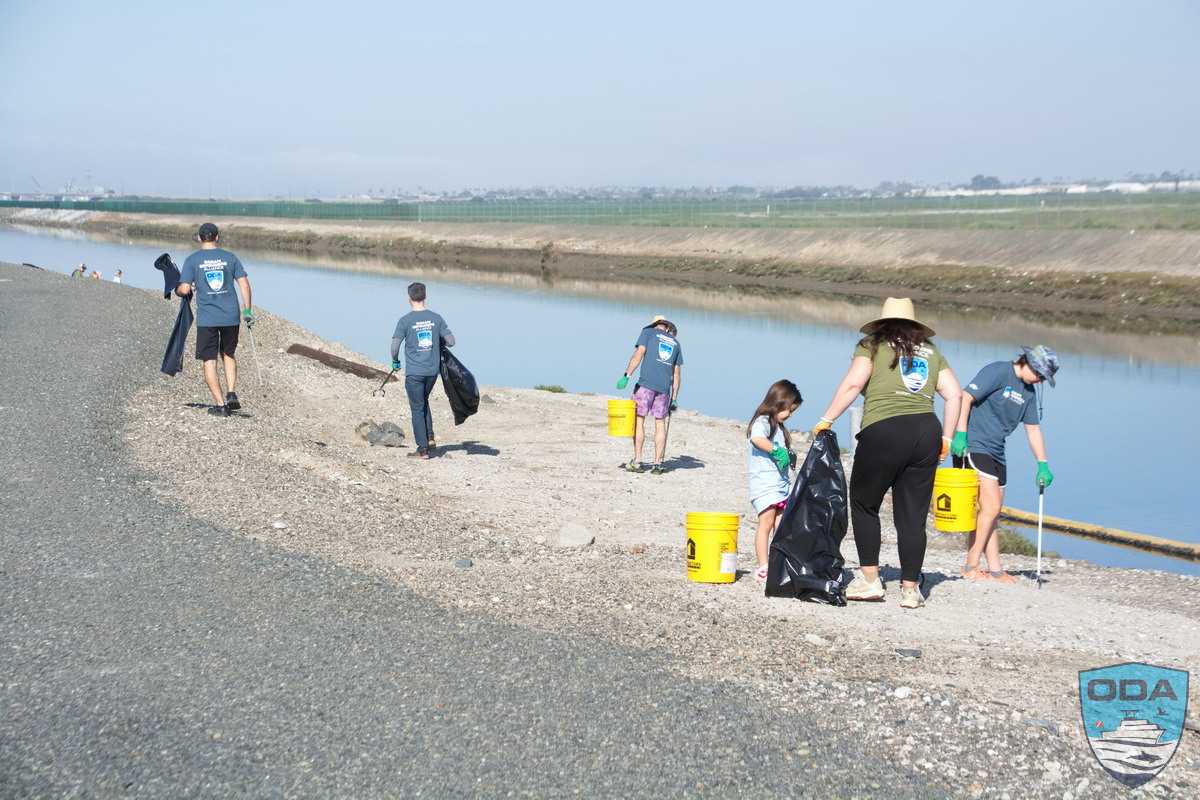
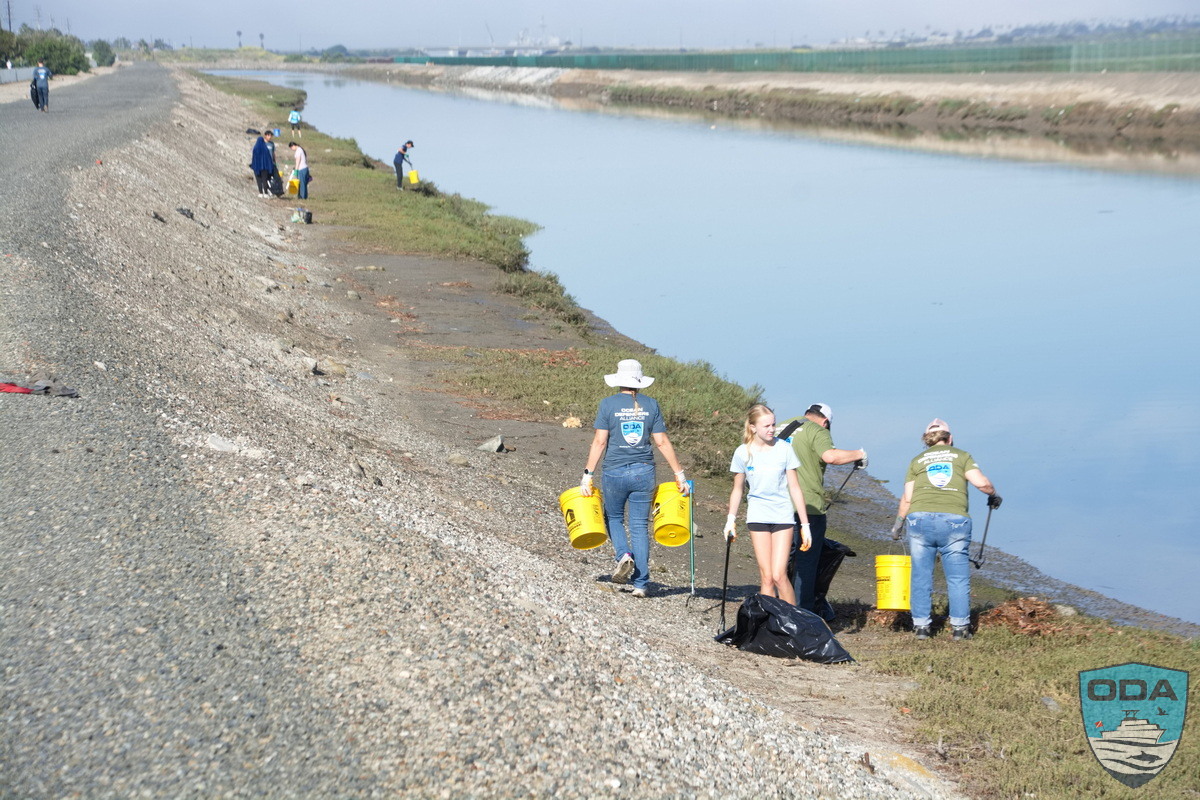
ODA’s volunteers descended on the Bolsa Chica Channel (BCC) for another fun day on Saturday, March 21st. The last time we had been here was 3 months ago, in December.
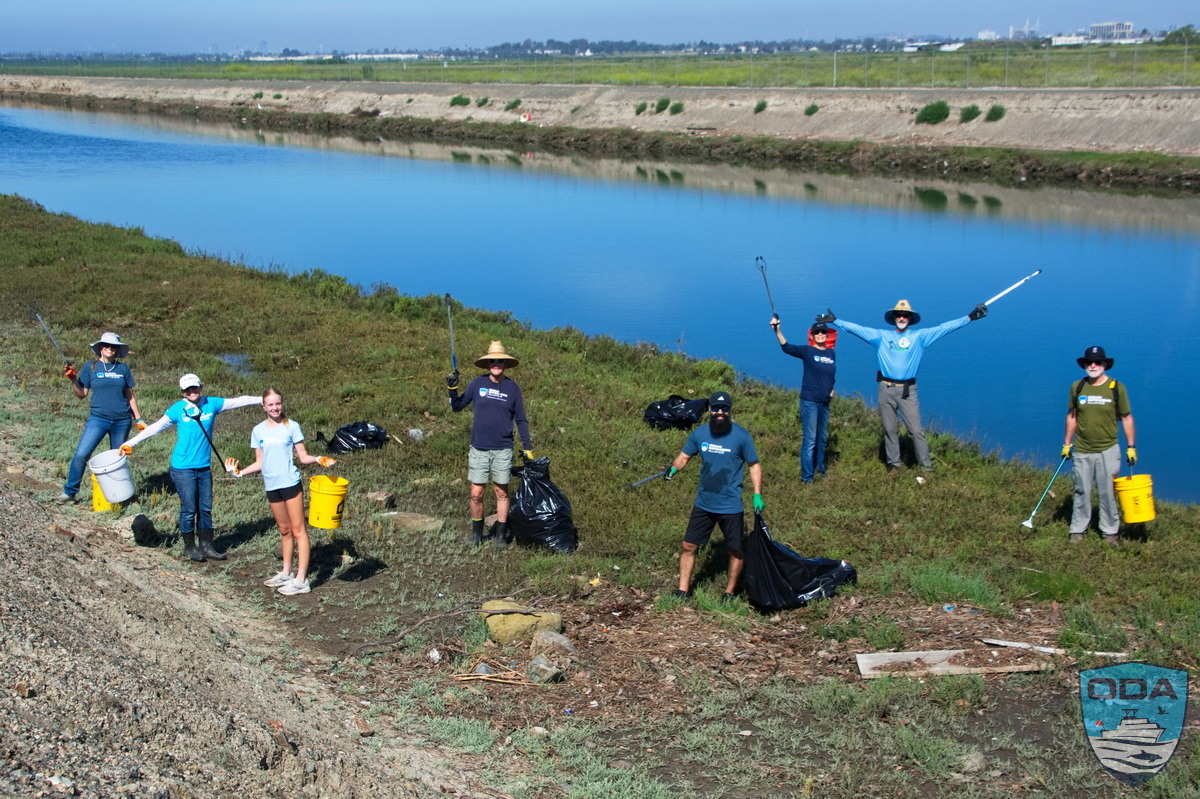
This is a stretch of water that drains all the runoff that gets washed off the streets, parking lots, highways, and roads throughout Los Angeles and Orange Counties. Something like 57 square miles.
This “river” empties into Huntington Harbor, where it mixes with ocean waters, and the ebb and flows of the tides then draw it out to the open ocean. The waters take with it everything including all the oils, fertilizers, animal waste, residue from tires and any other form of man-made debris you can think of.
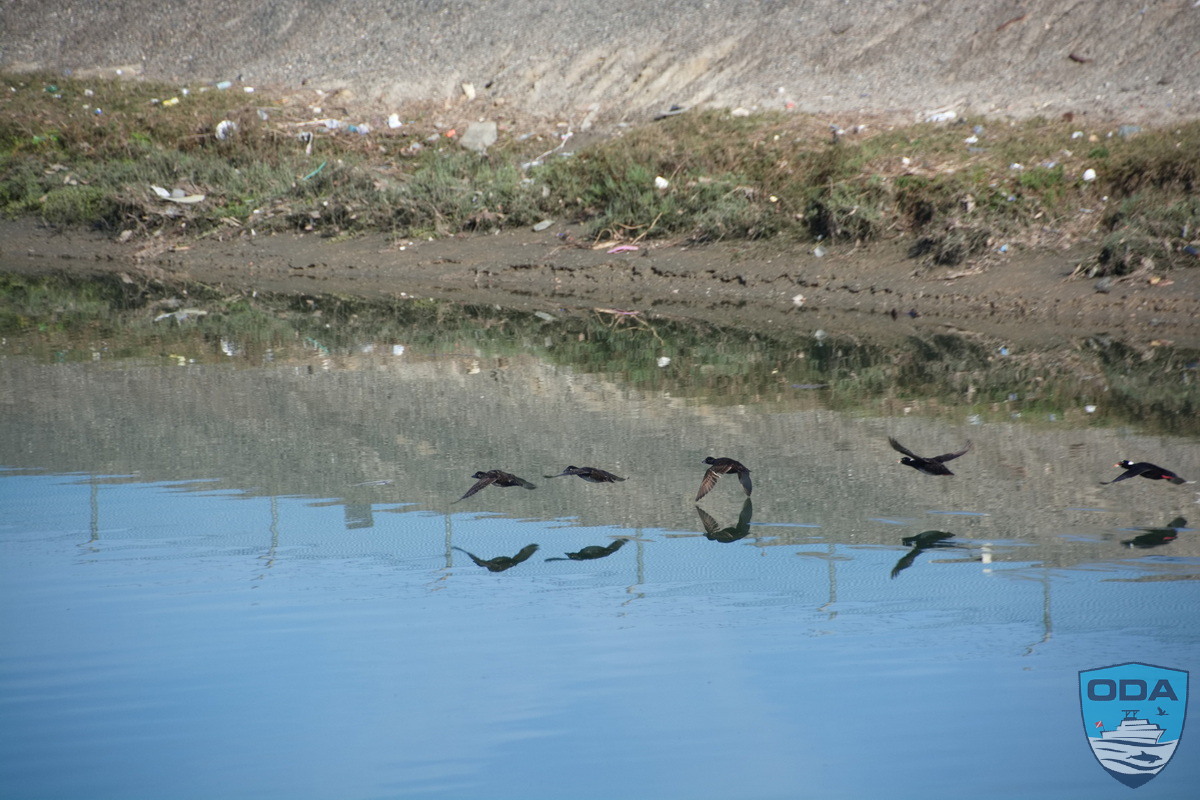
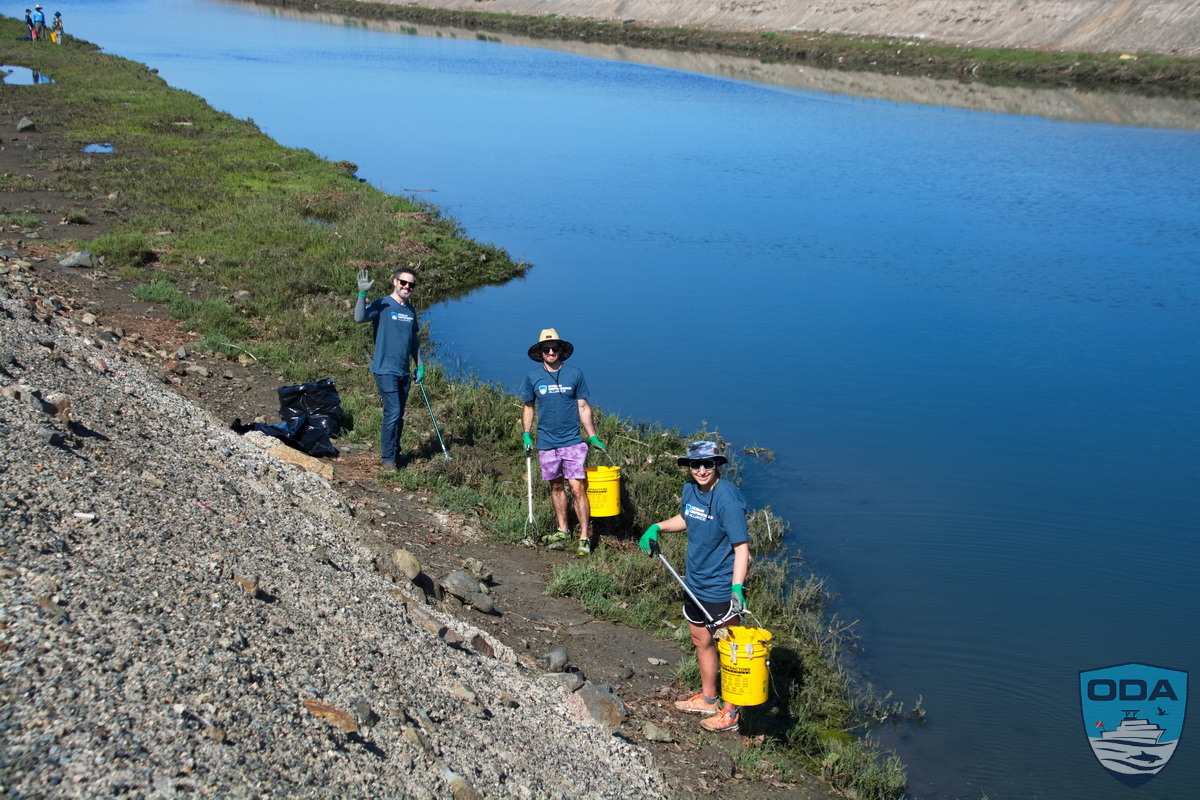
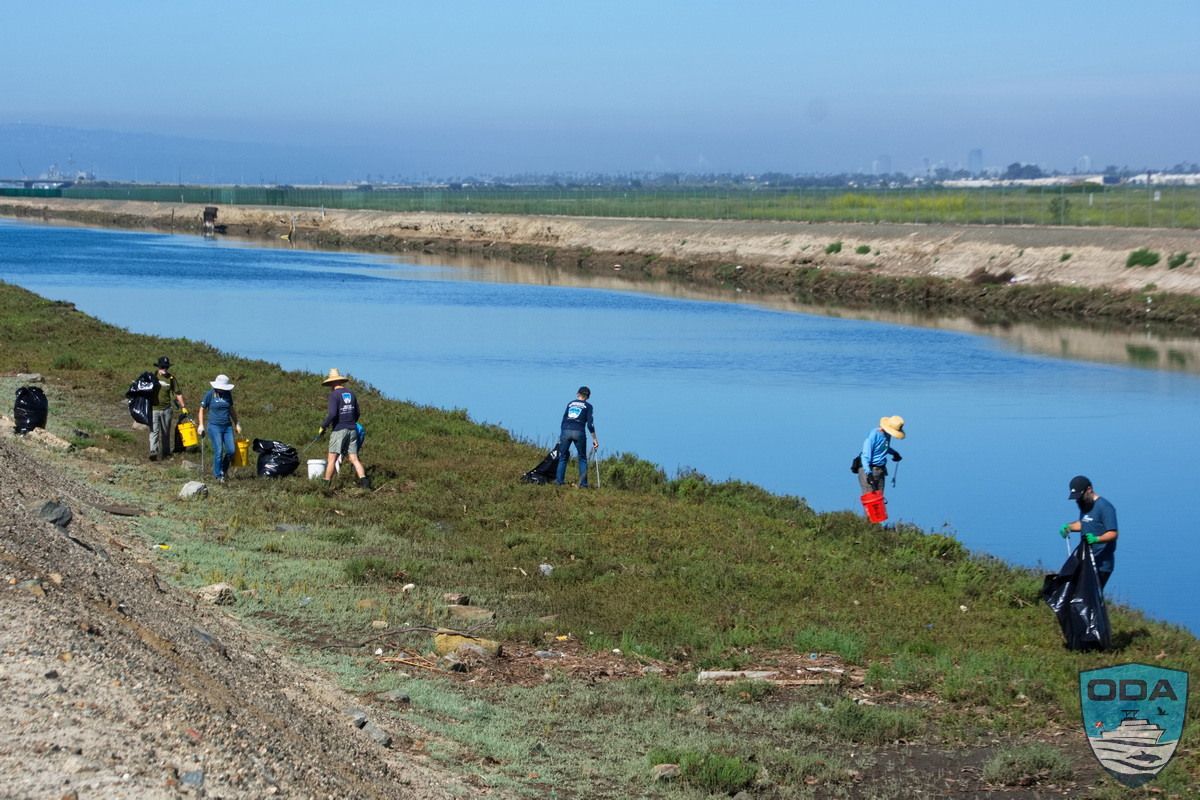
As it all makes its way to the ocean some of the debris washes up on the banks of these “rivers.” That’s where ODA volunteers spend time scouring the banks looking for small and large items that we can remove before it forever gets flushed out to the seas.
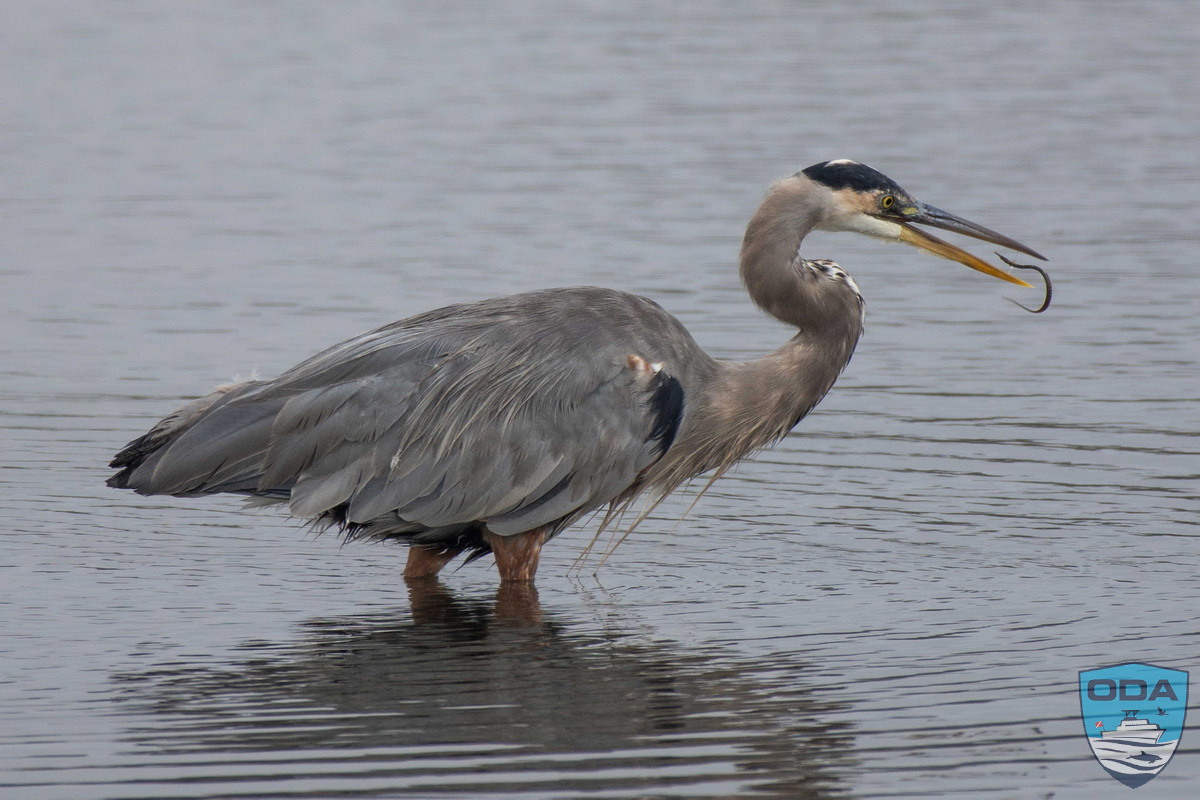
The BCC runs along the outside perimeter of a critical habitat for migrating birds, called Seal Beach National Wildlife Refuge (SBNWR). The refuge has roughly 960 acres of wetlands that the fish and birds utilize for feeding, resting, and nesting. So, we want to keep as much garbage out of there as humanly possible.
One key way is to collect the debris while it’s still in the BCC.
A peek inside the SBNWR
The day before the event I went into the SBNWR to see what bird activities were going on. Turns out quite a lot of the migratory birds had already left. But the black-necked stilts were still hanging around, in one section of the marsh there must have been 3 dozen of them. Pretty cool sighting!
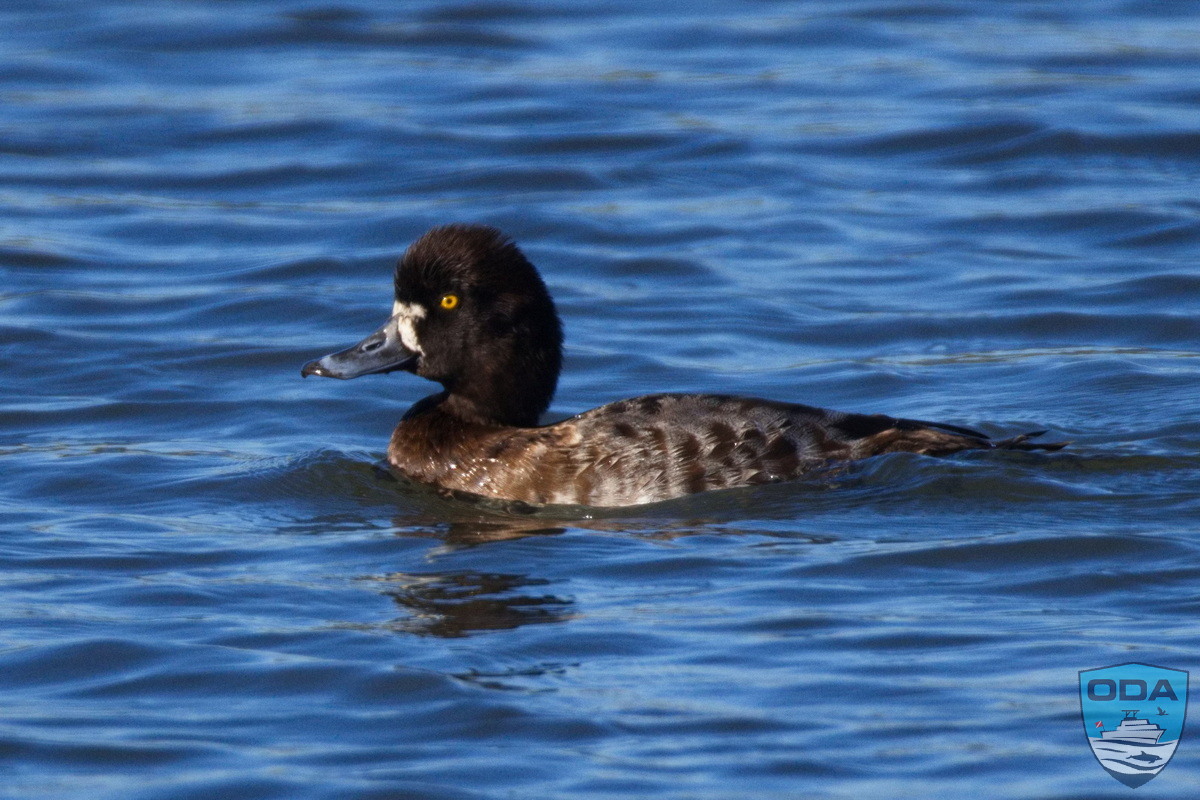
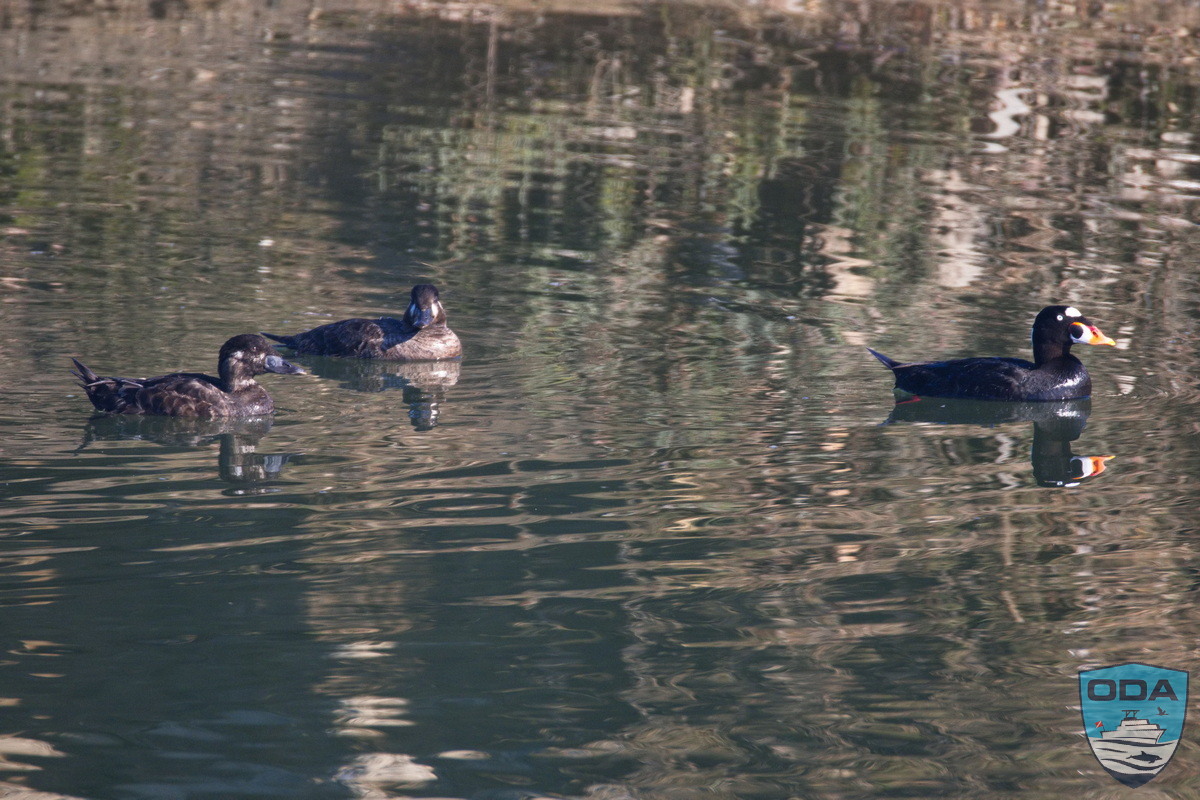
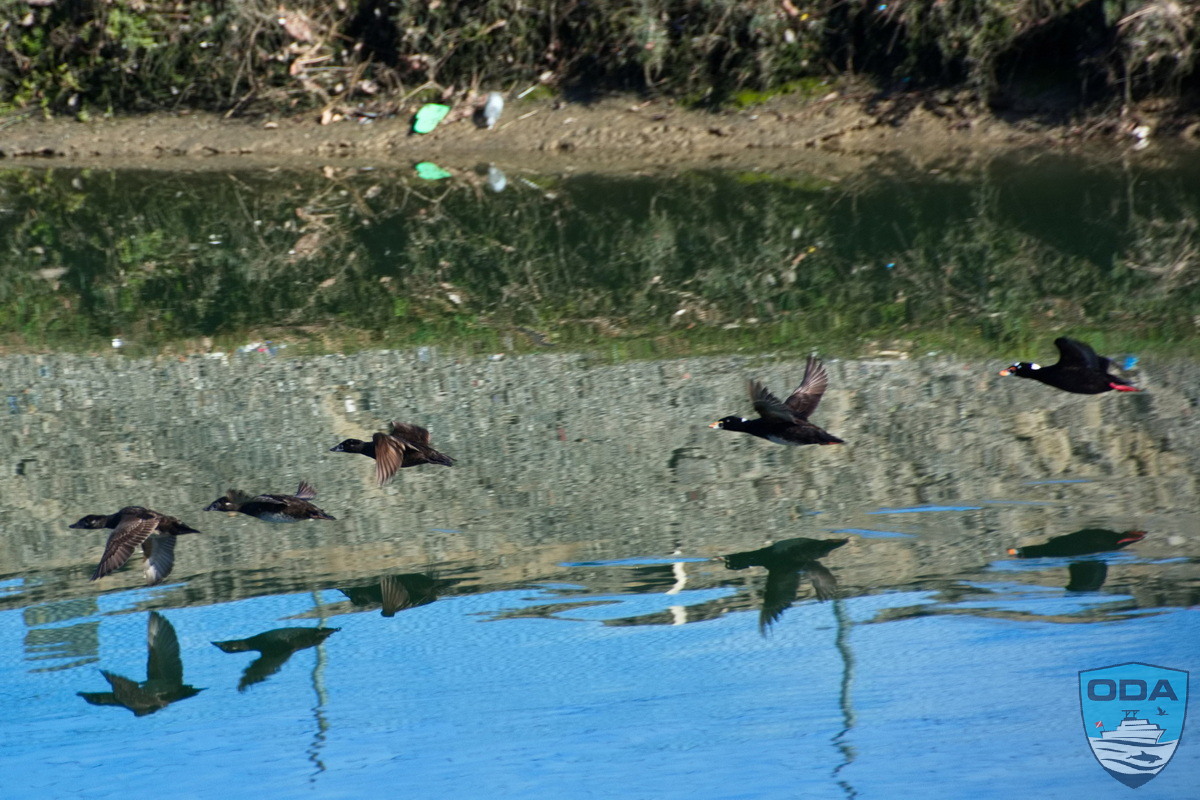
Northern shovelers were there too, fattening up as they prepare to migrate north to Canada. Surf scooters and lesser scaups were scattered hither and yon.
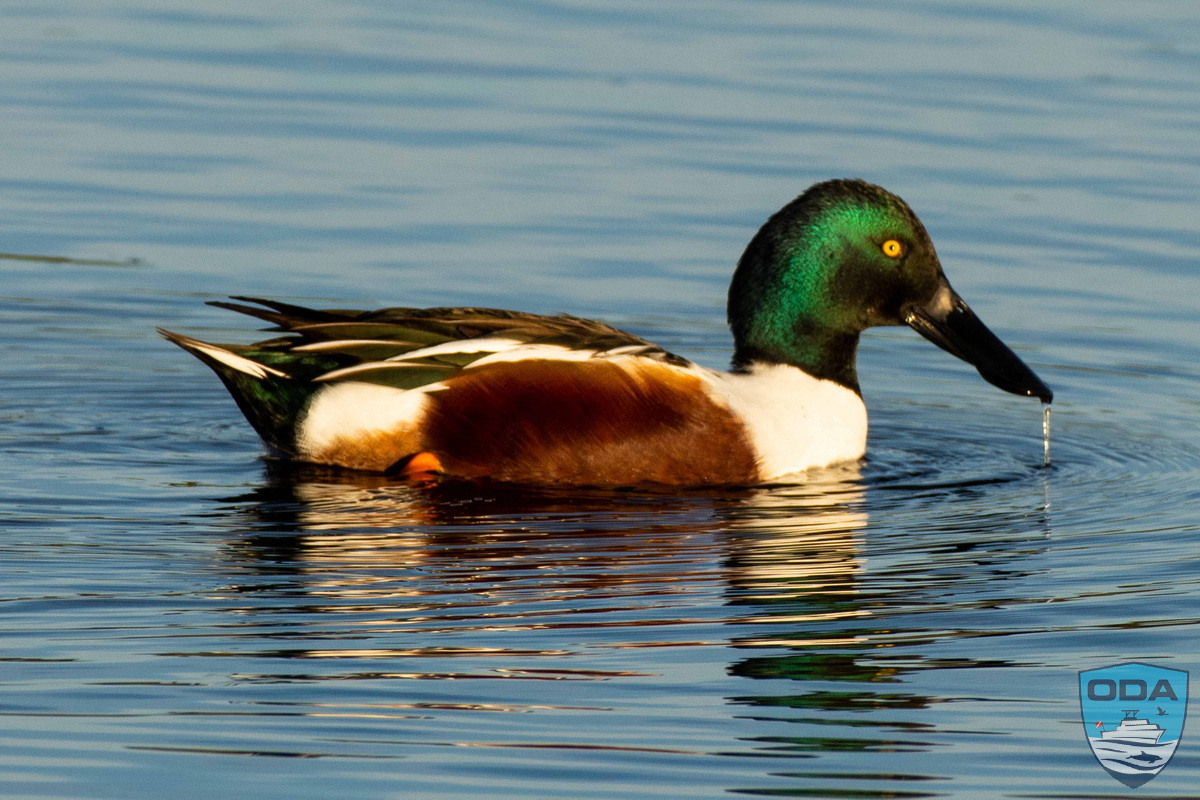
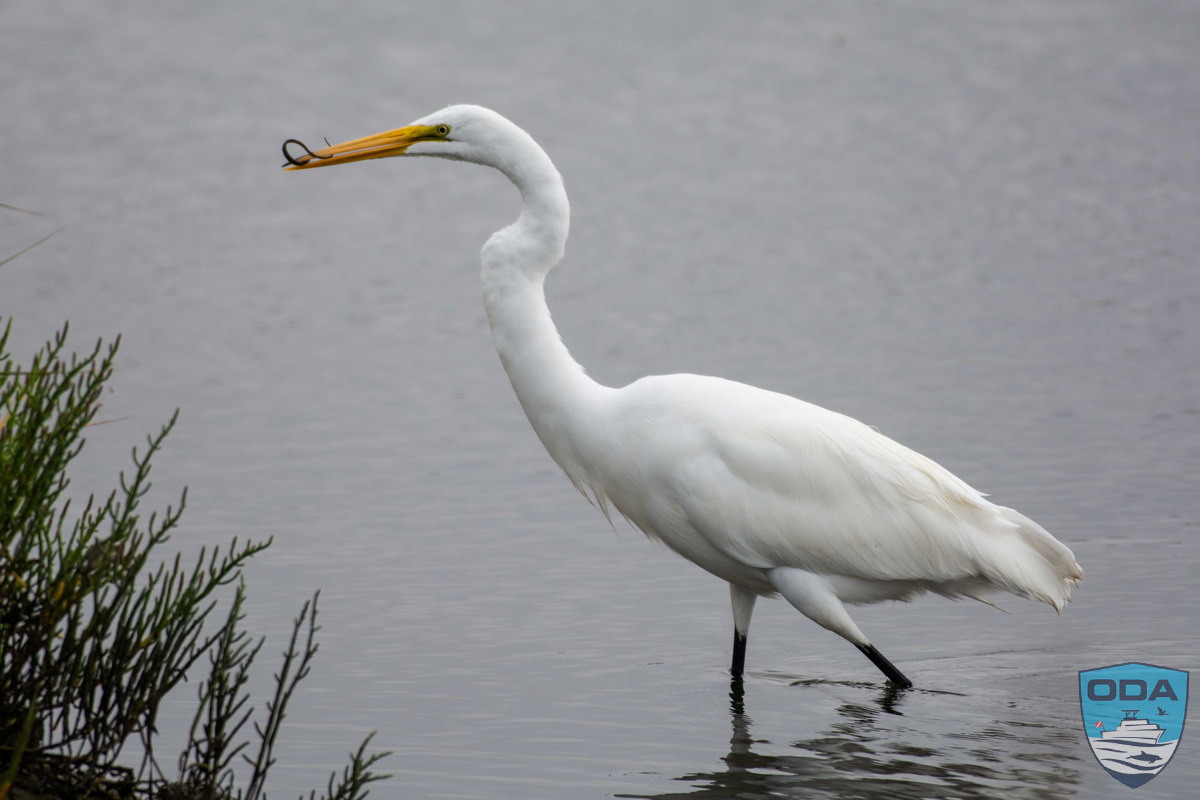
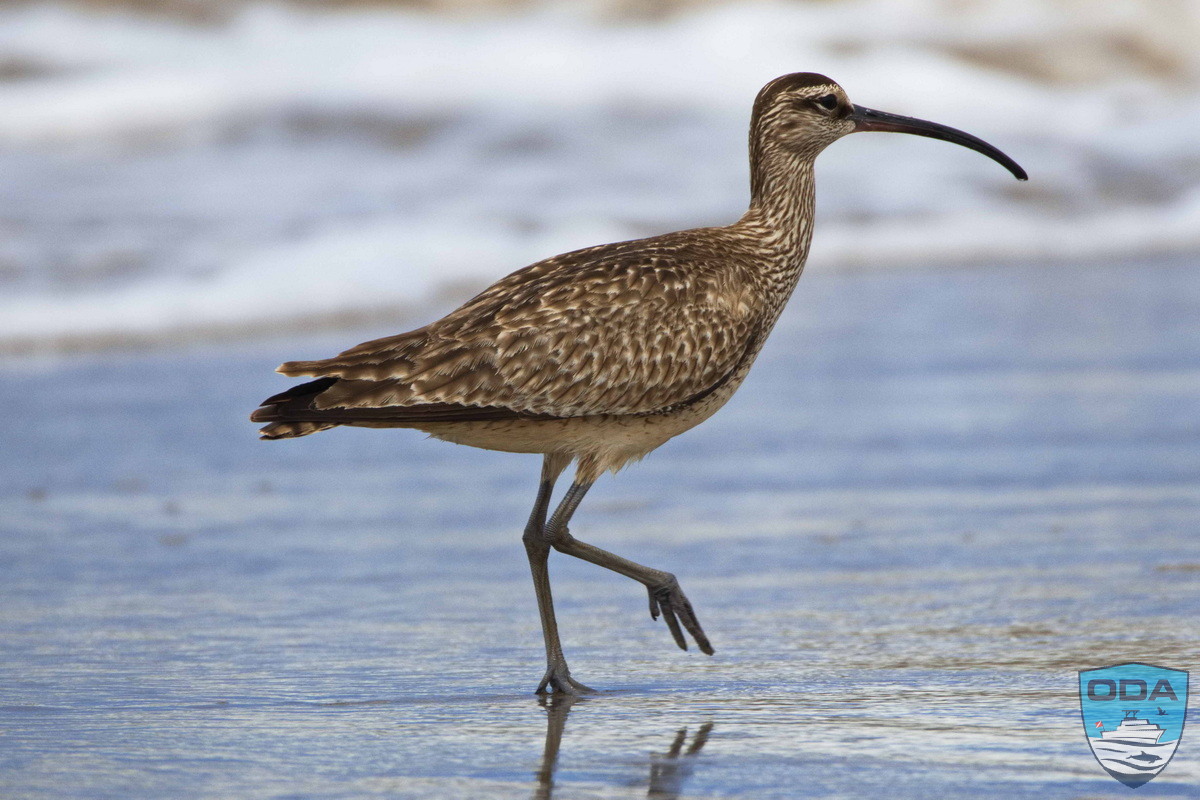
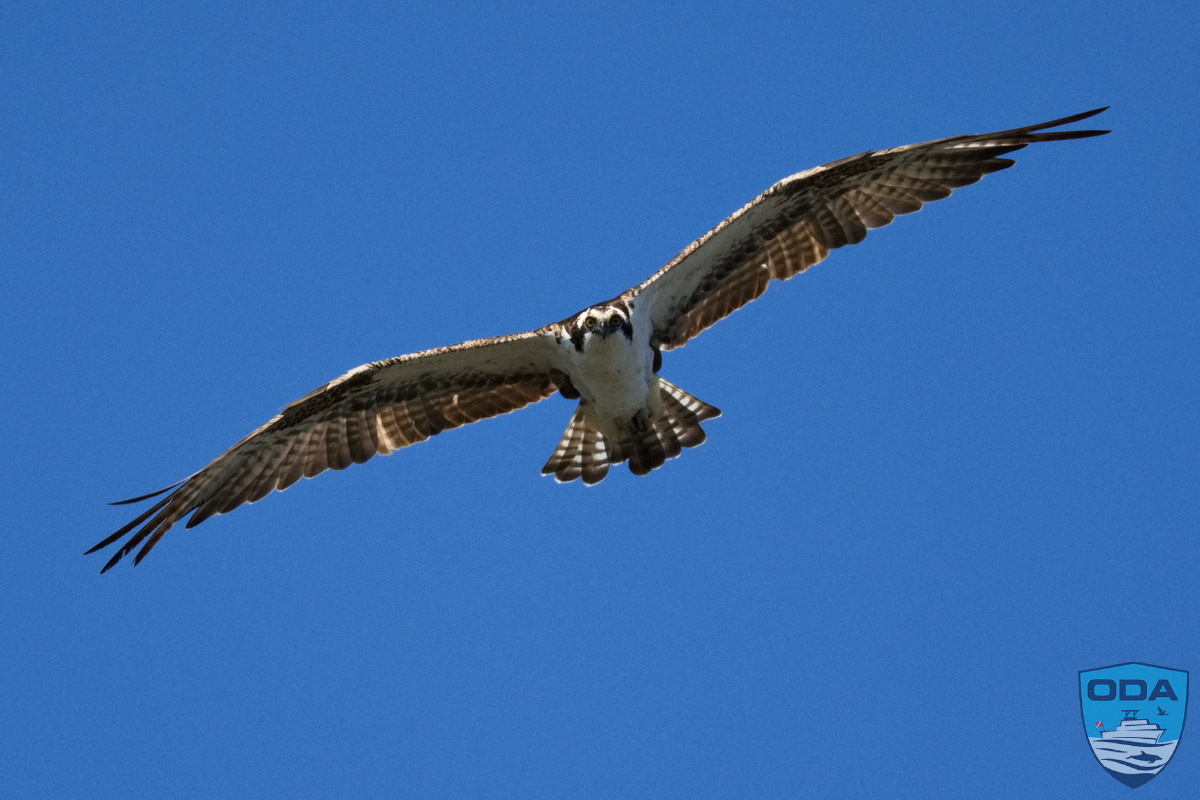
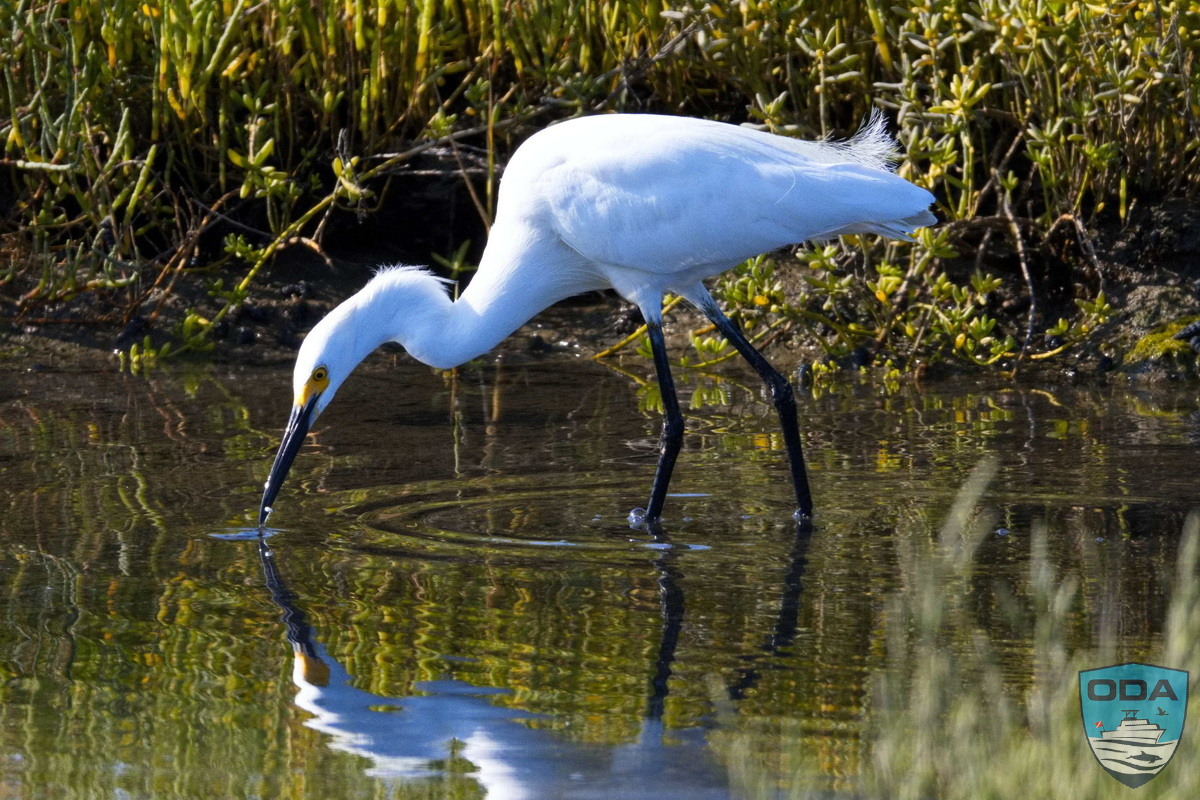
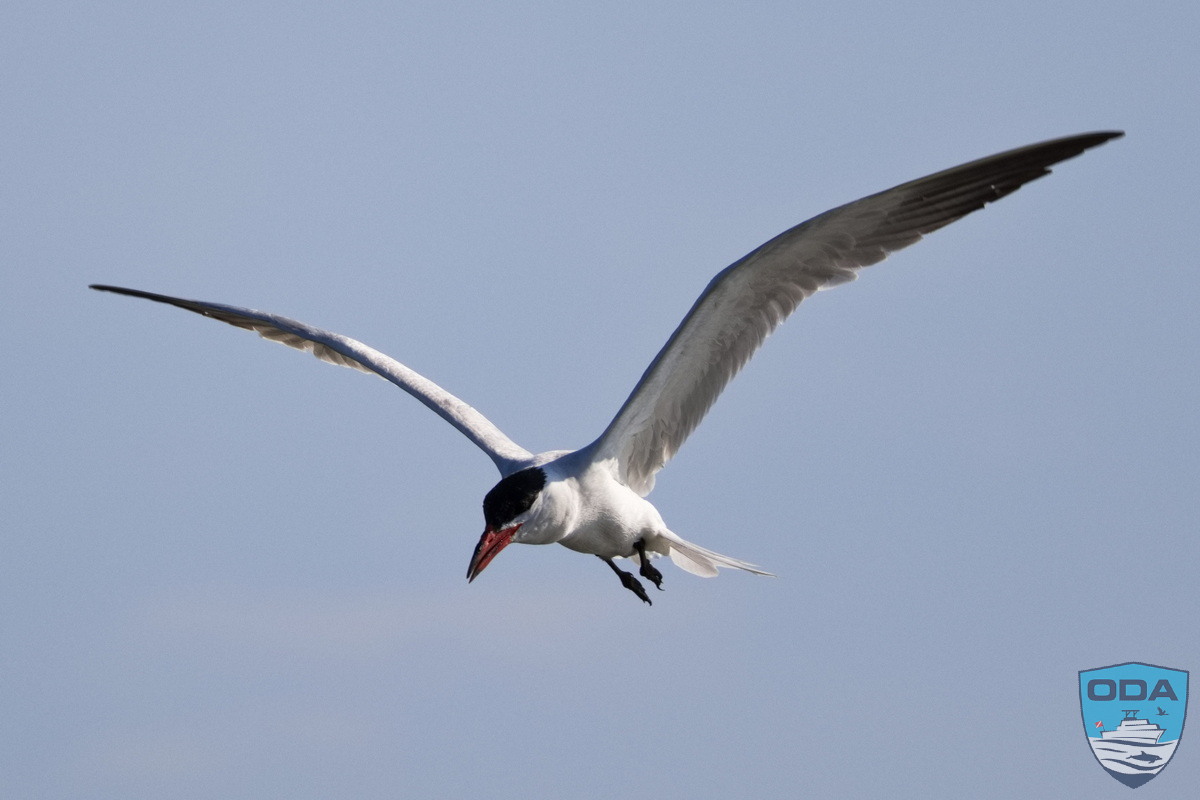
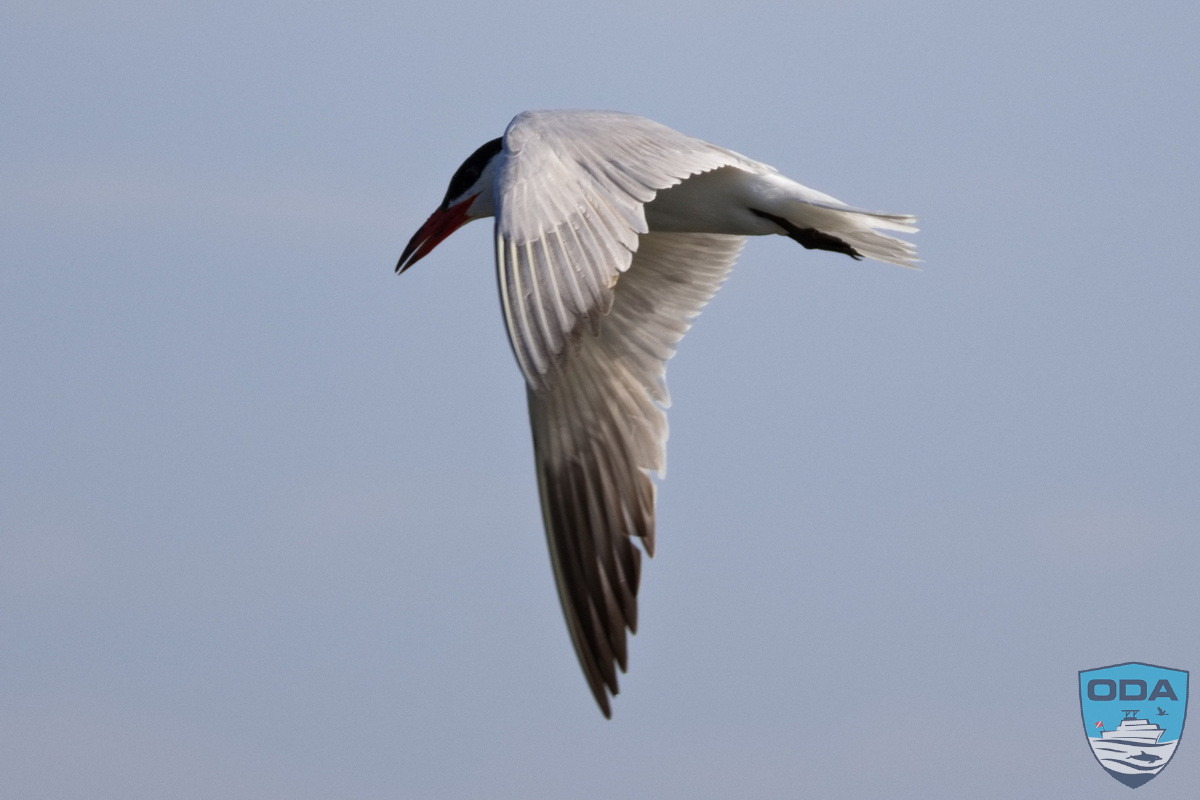
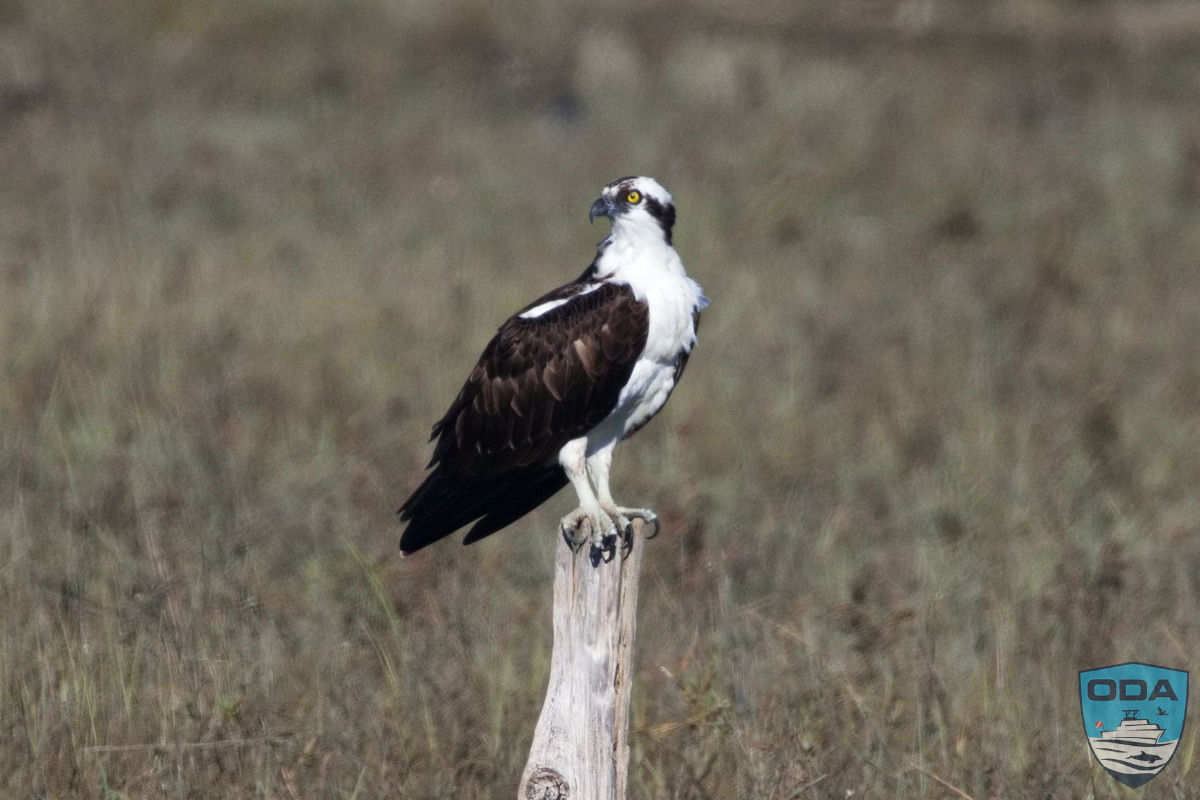
The year-round residents were also out foraging. Birds like the osprey, great blue heron, great egret, snowy egret, royal tern, and long-billed curlew.
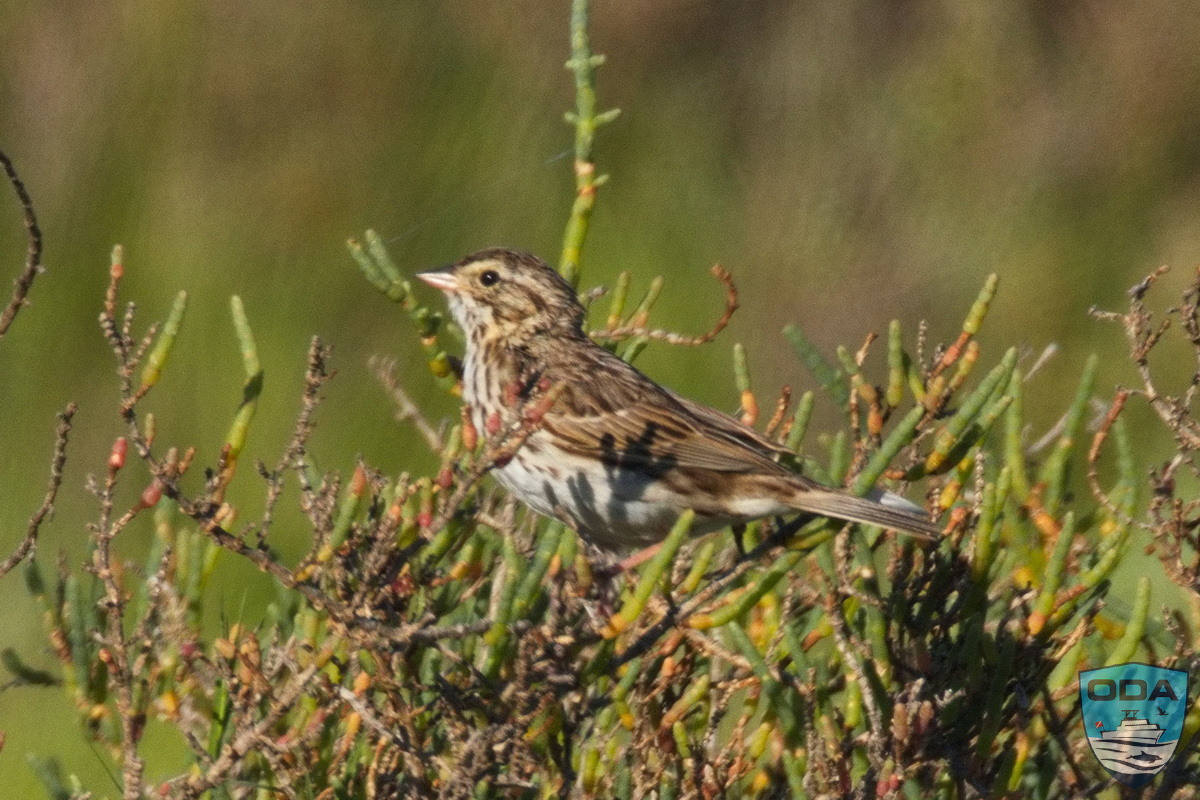
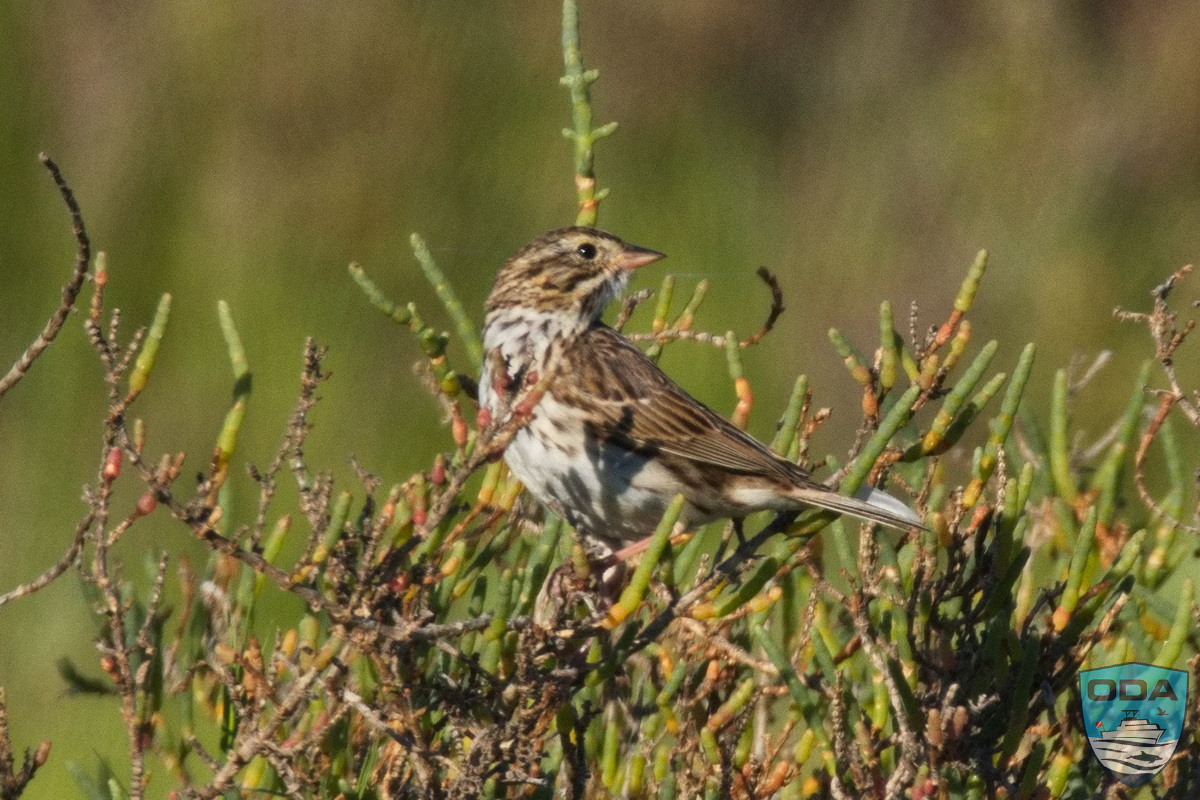
I also spotted some endangered birds called Belding’s savannah sparrows. They are a state and federally protected species, and are normally found only around Tijuana and San Diego, but due to the warming planet they are slowly making their way north. Hence there is a small population in Seal Beach.
Back to the BCC cleanup
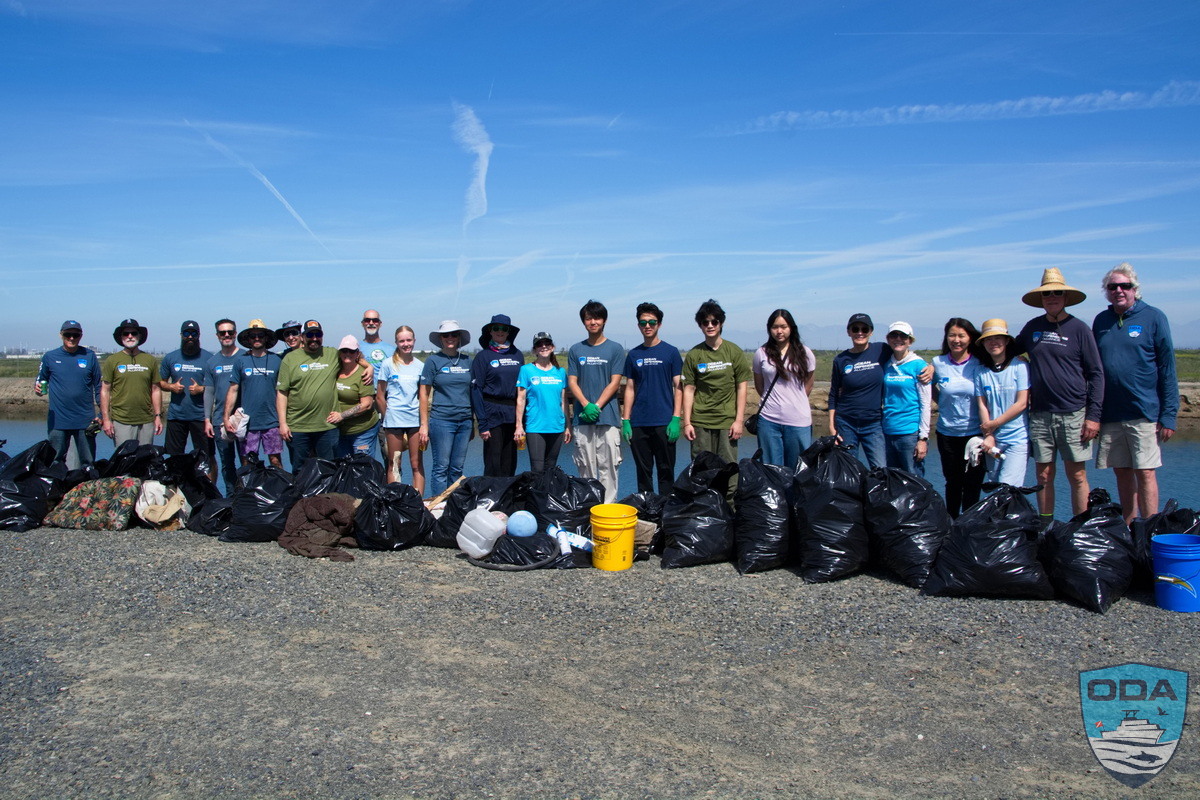
I was uplifted to see 28 dedicated people arrive on a Saturday and they gave up 3 hours of their time to haul out all we could. The volunteers included 3 young ladies around 6 years old!
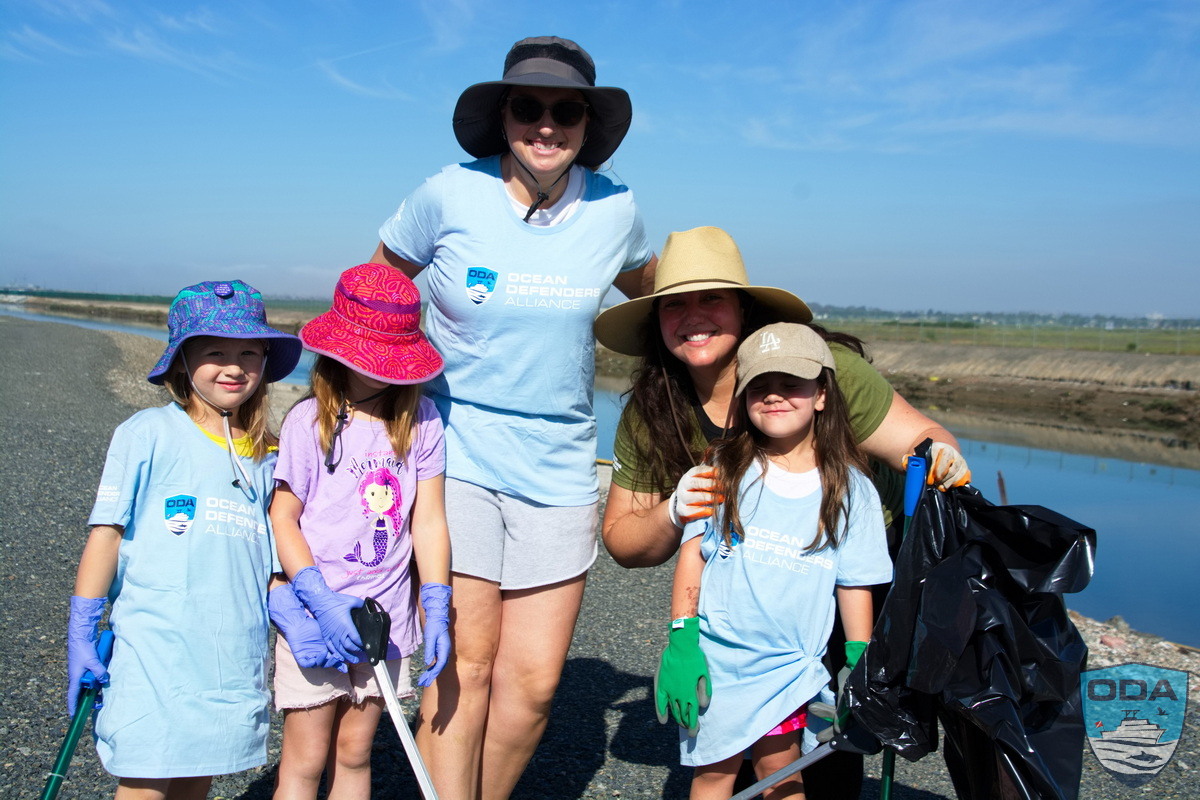
Four high school students drove all the way down from La Cañada Flintridge. Well, actually, their parents drove them 100 miles, round trip. Evan Noh and Justin Luo had attended some of our Seal Beach cleanups a few years ago and never forgot how meaningful it is to give back to nature. Justin is the president of the school’s environmental club at Flintridge Preparatory School. For this event they even brought along 2 of their friends.
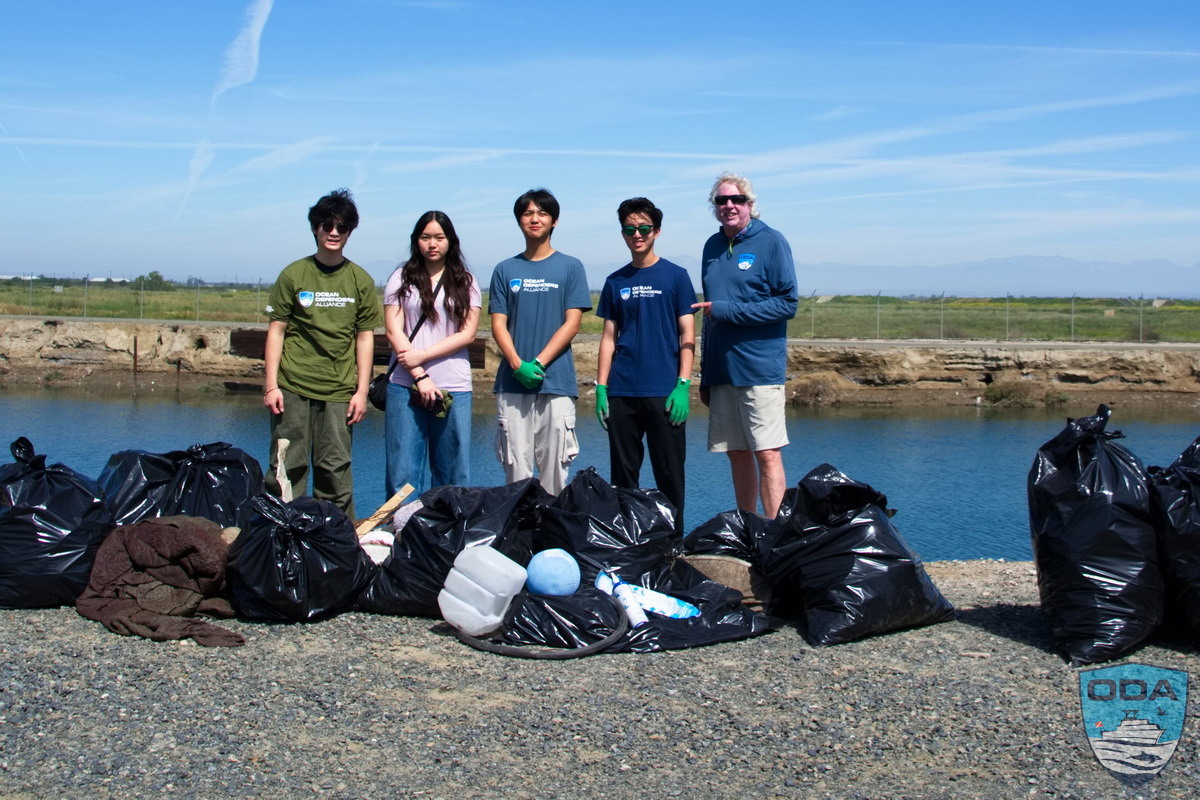
Here is a list of most of the people that attended Saturdays event: Danielle Abfalter, Francesca Abfalter, Behdad Afkhami, Dennis Arp, Austin and Katie Frick, Jessica, Ellie and Sidney Jordan, Abigail and Tessa Klarin, Everson Li, Justin Luo, Dave and Jean Merrill, Kent Morris, Linda Nicholes, Evan Noh, Lee O’Donnell, Laura Pellegrini, Fred Reed, Lisa Taylor, Kevin Tran, and Victoria Wang.
Because not too long ago we had been at this site, the area looked pretty clean, but the further we walked we kept finding areas with loads of plastic. This section of the channel is about 1.5 miles long; we were stretched out along almost the entire length.
It was a lot of walking, and the temperature was in the 80’s, but people hung in there and as noon was approaching, we hauled all the goodies back to one spot and took some pictures of the crew and our “Catch of the Day.”
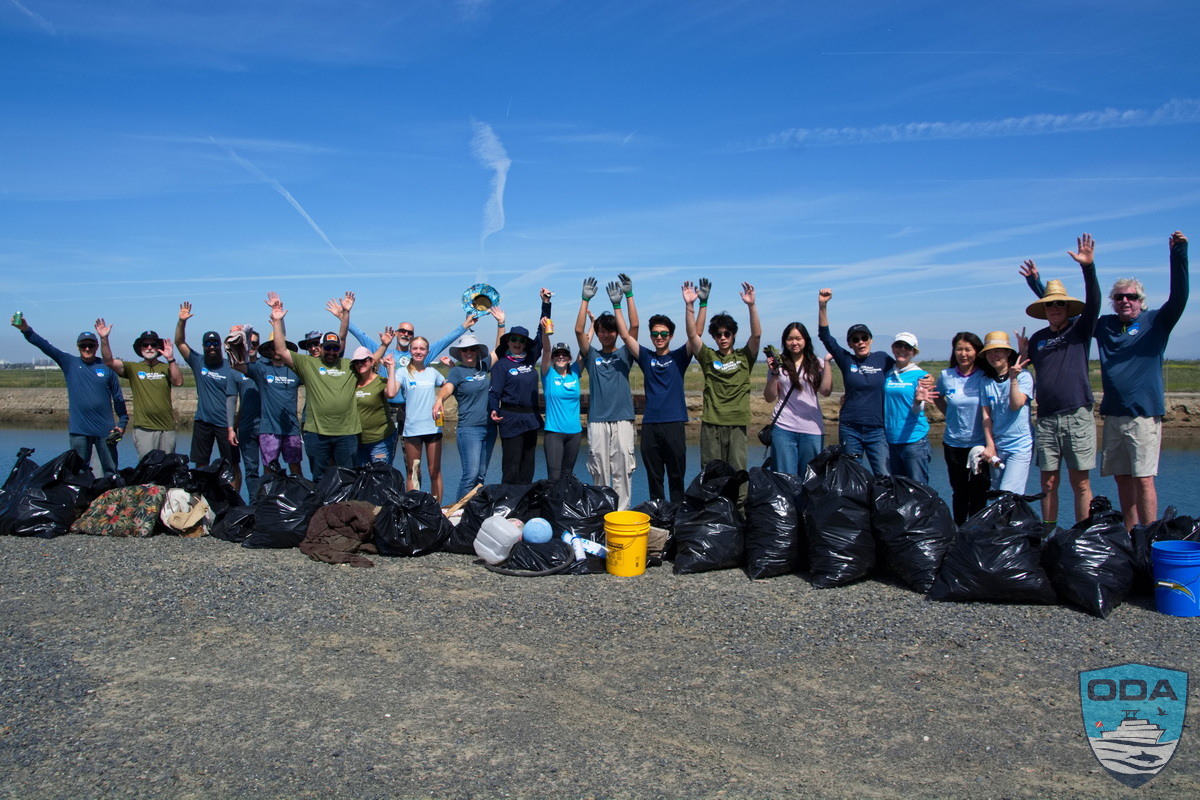
The collected debris weighed approximately 730 pounds in total.
Because of the heavy rain we had in January, we were expecting to remove more, but that didn’t materialize, which was a welcome relief in one sense, but we could see on the other side of the channel (somewhere we have never cleaned before) there was an extraordinary amount of trash all along that bank.
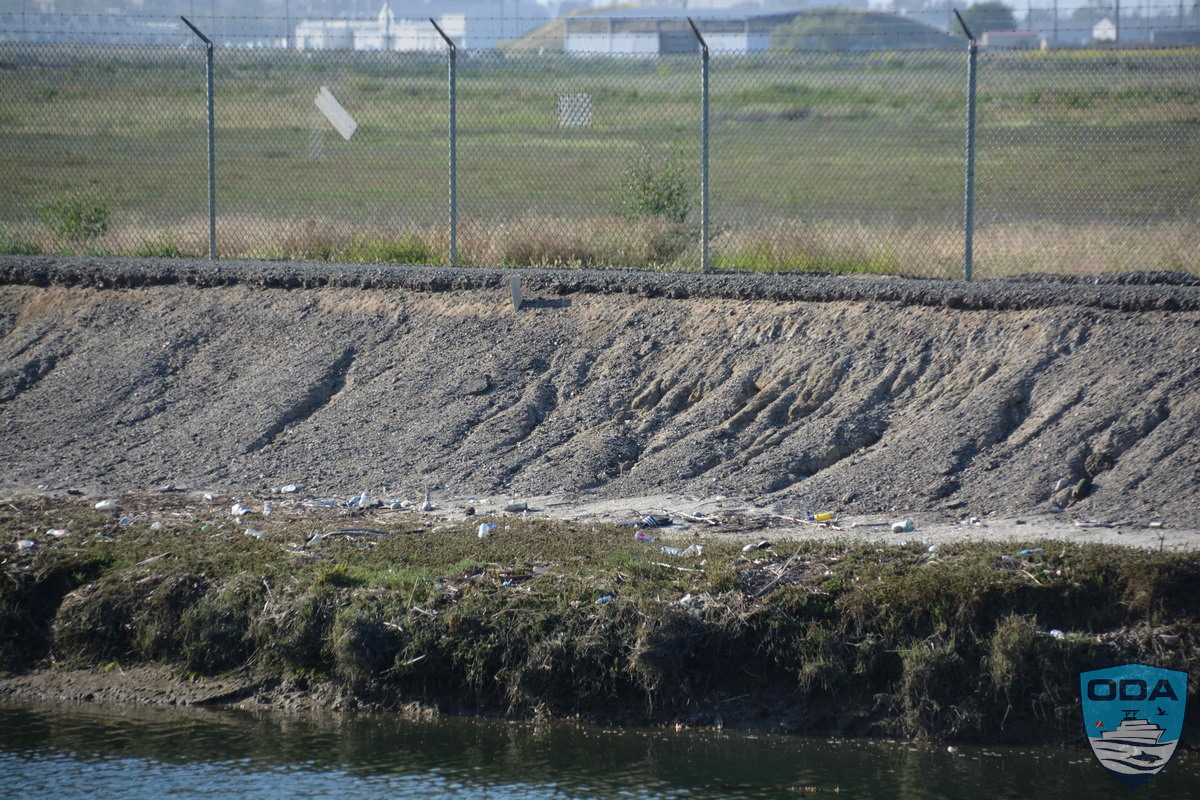
The embankment is a LOT steeper on that side, so it will be more challenging to get people in and out of there safely, but one thing ODA volunteers have proven time and again: WE’LL BE BACK!
If you live in Southern California and want to be part of enjoyable and rewarding outings like this, please email us!