By Founder and President Kurt Lieber
As I was driving from my home in Ventura and heading south to Seal Beach for our monthly cleanup at the Seal Beach National Wildlife Refuge (SBNWR), I was receiving emails and texts letting me know of several last-minute cancellations.
A total of 10 people had originally signed up to attend, but by the time I got off the freeway 4 people had to bow out… At that point I thought about cancelling the event but thought better of it realizing that I had already made the 112-mile trek.From deflation to elation, all within 24 hours…
I did my usual routine of going into the Refuge the day before and looking around for areas where I could locate high concentrations of trash lying in the wetlands. I found 2 sites where I thought we could be productive.
The first site was an area where we’ve removed lots of stuff before. No matter how effective we were in the past, each tide delivers more plastics from the upland watershed.
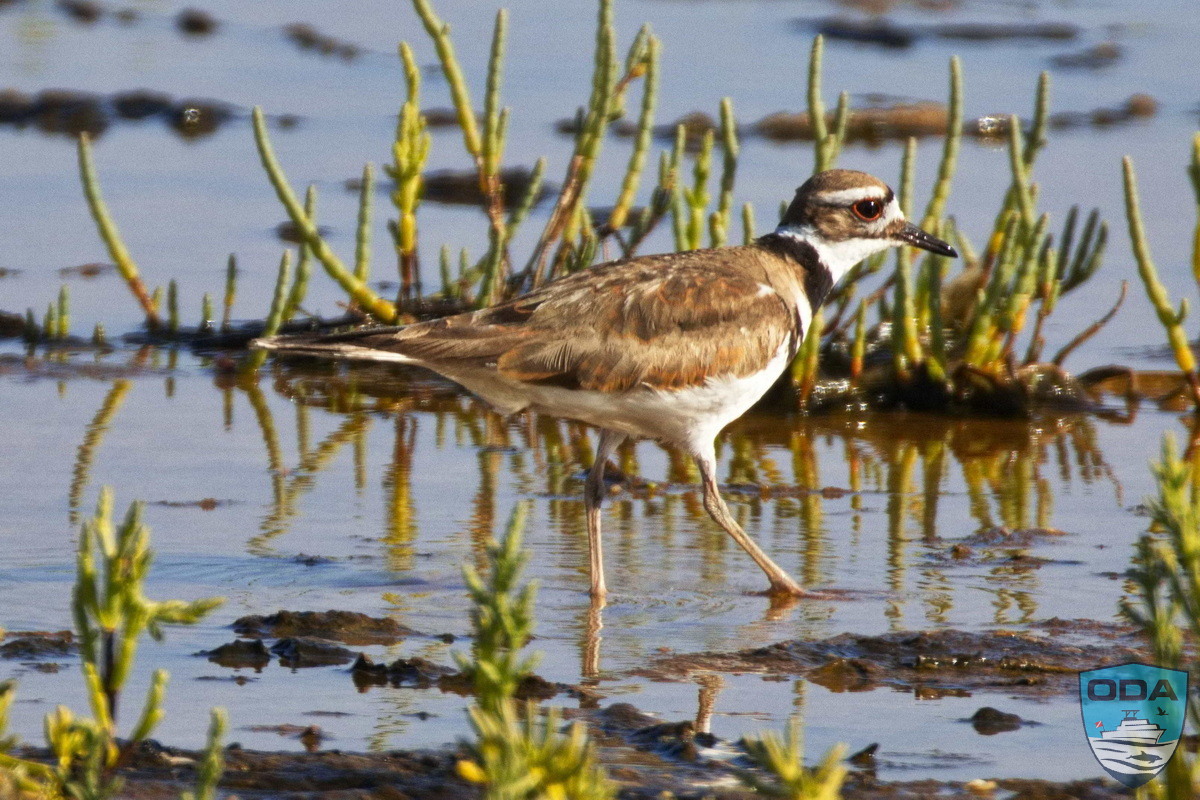
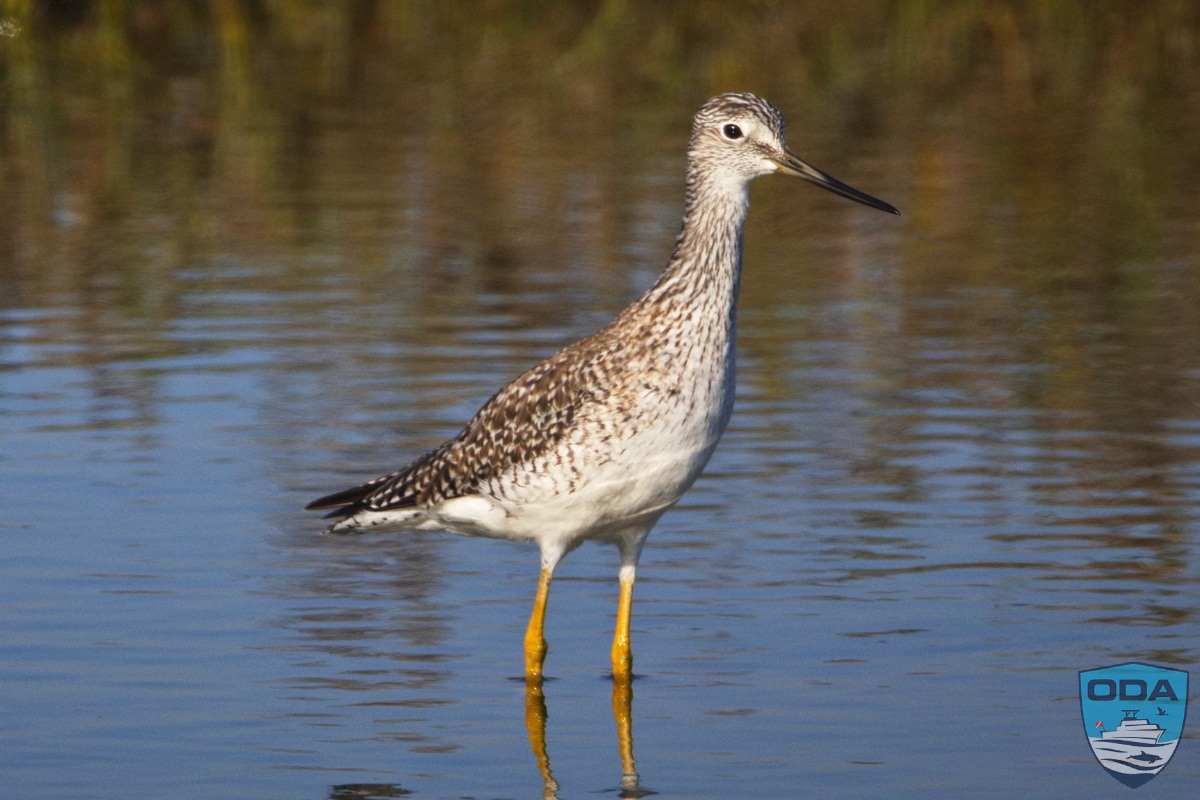
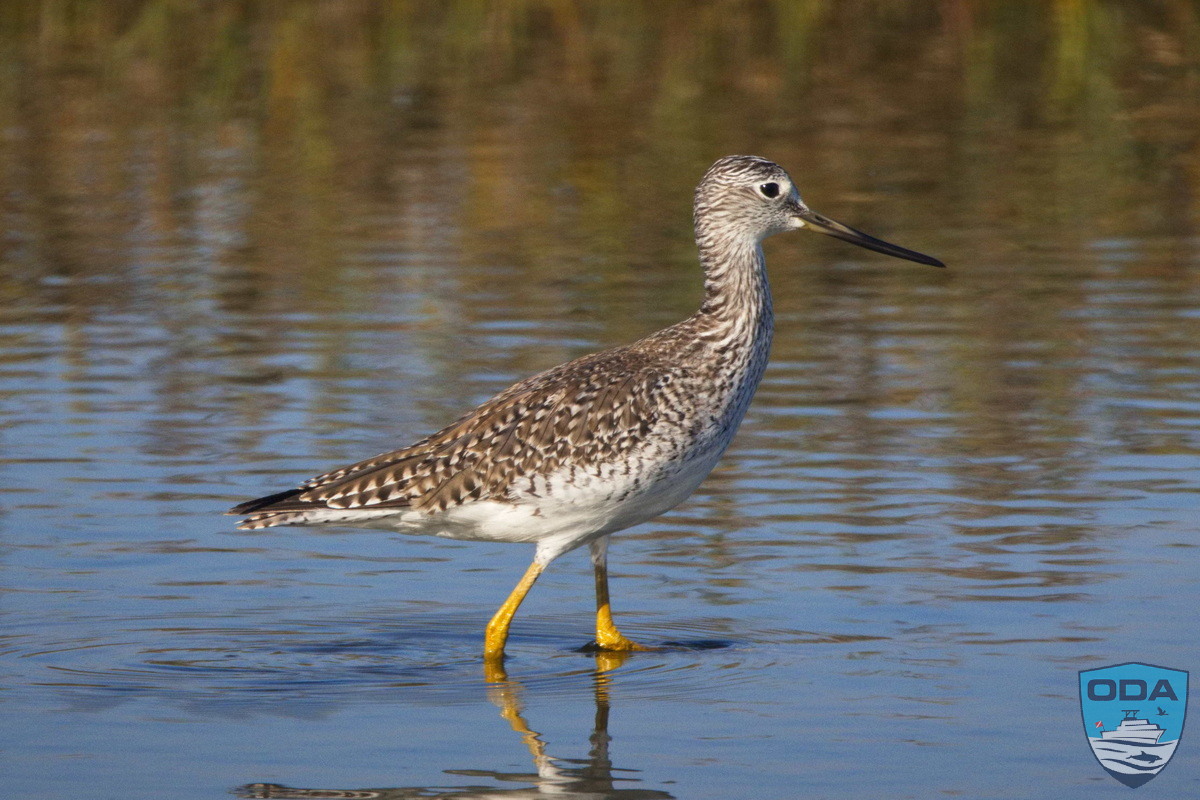
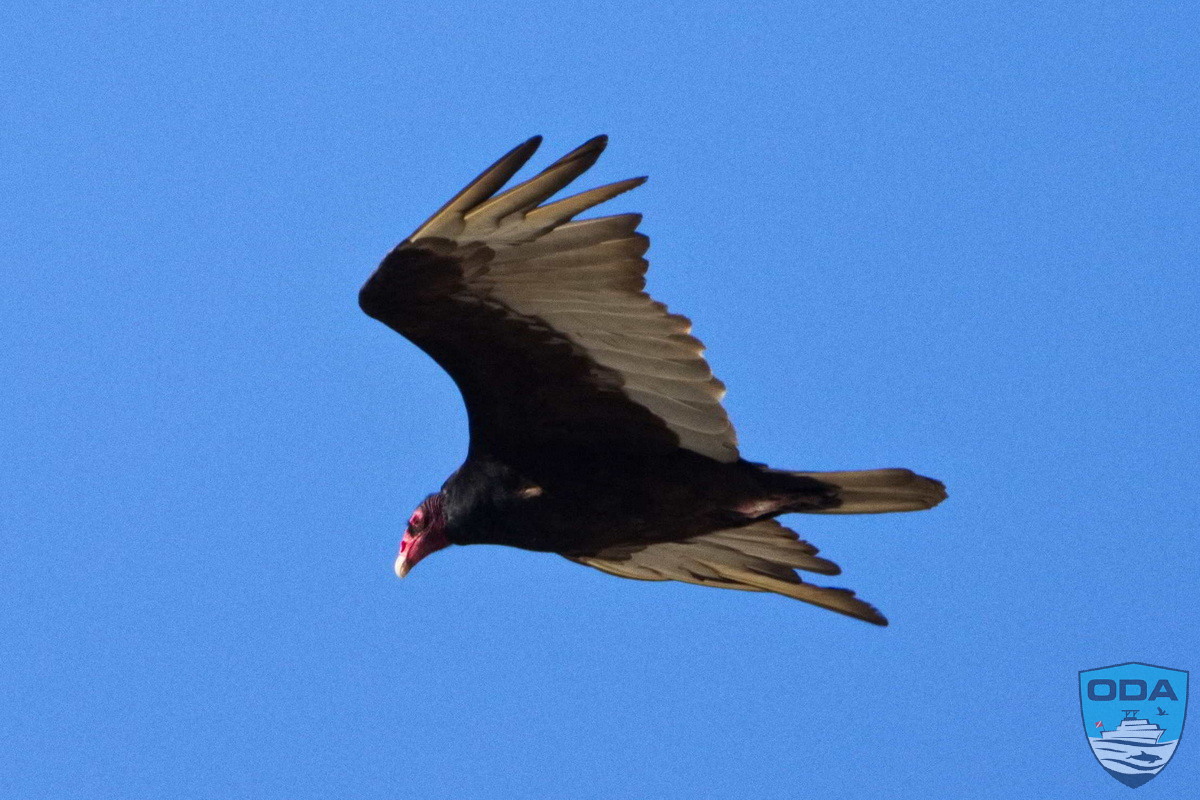
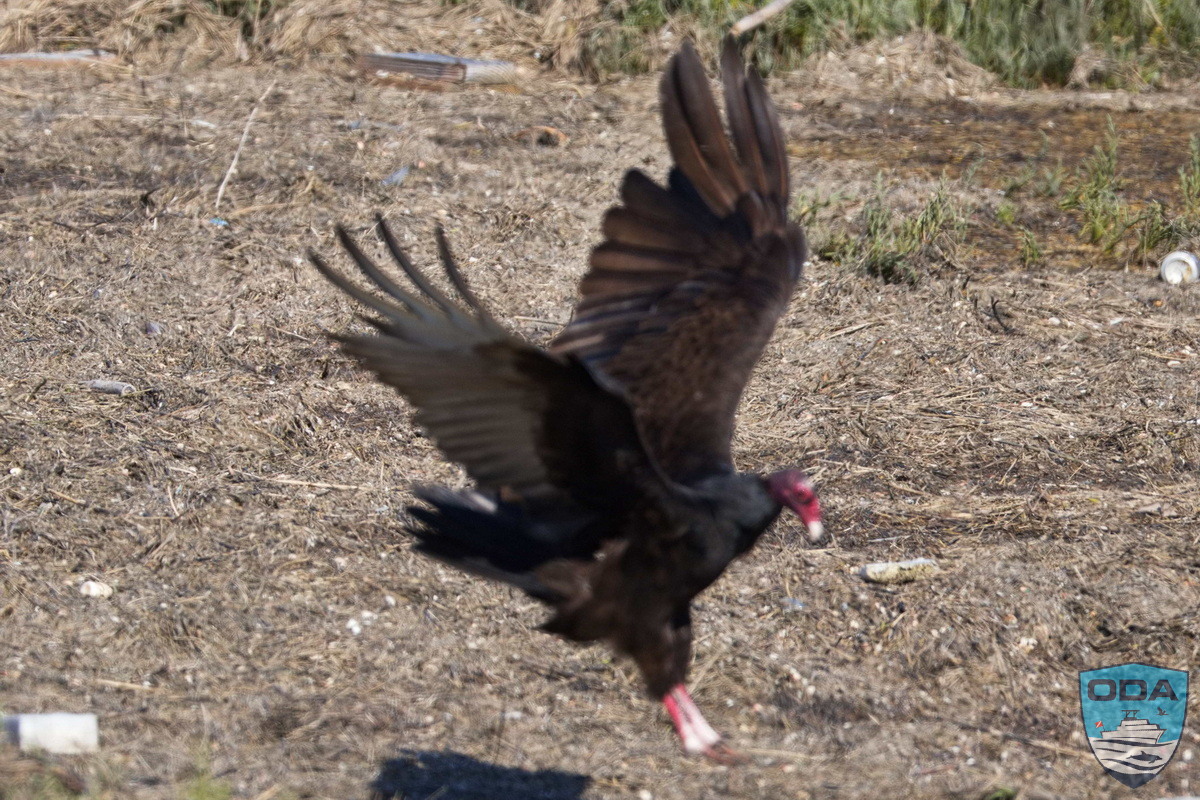
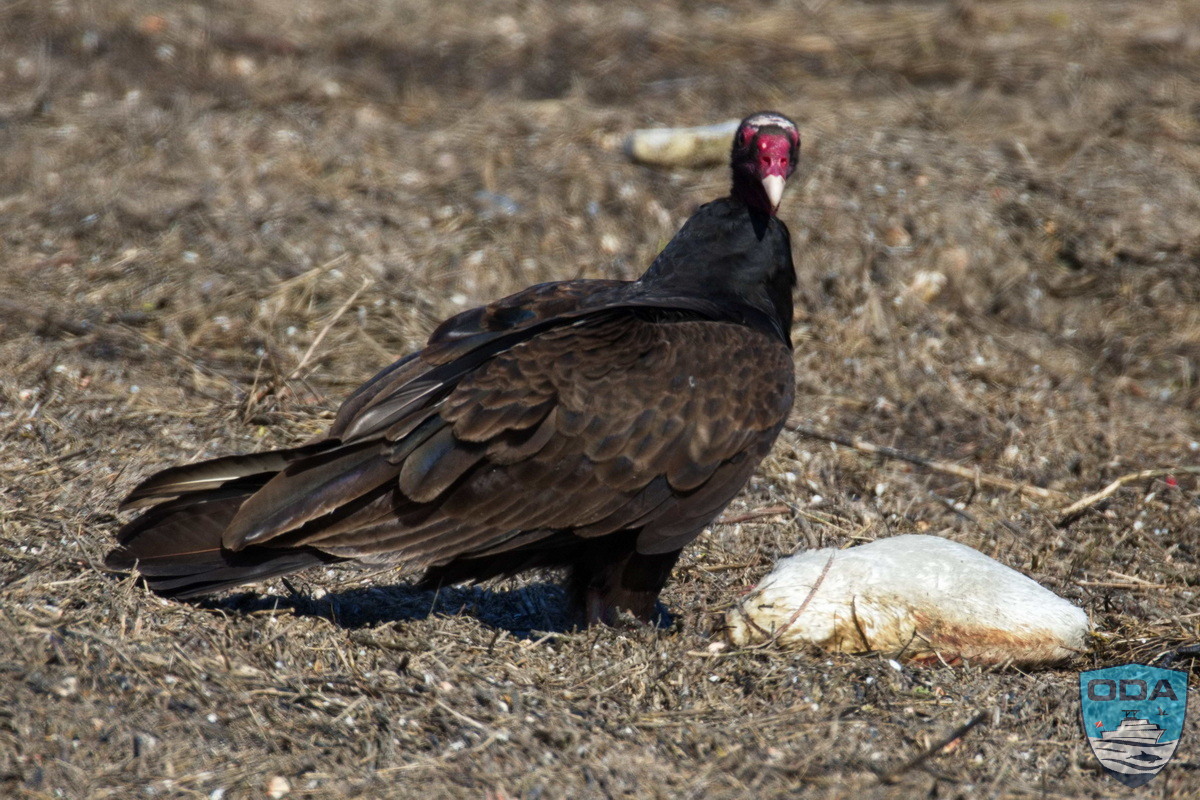
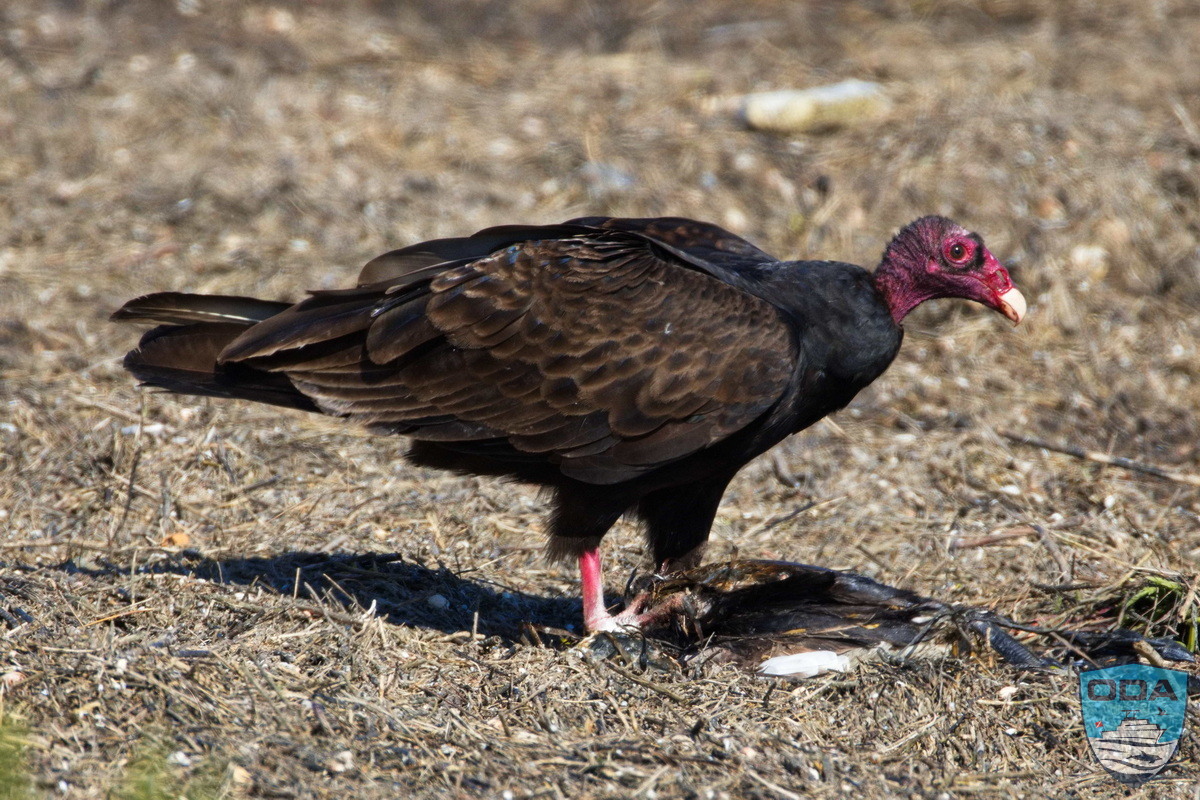
I also had time to take in some of the wildlife that we work so hard to protect. Critters like this Turkey vulture who was circling overhead and landed a short distance away to feast on a dead bird.
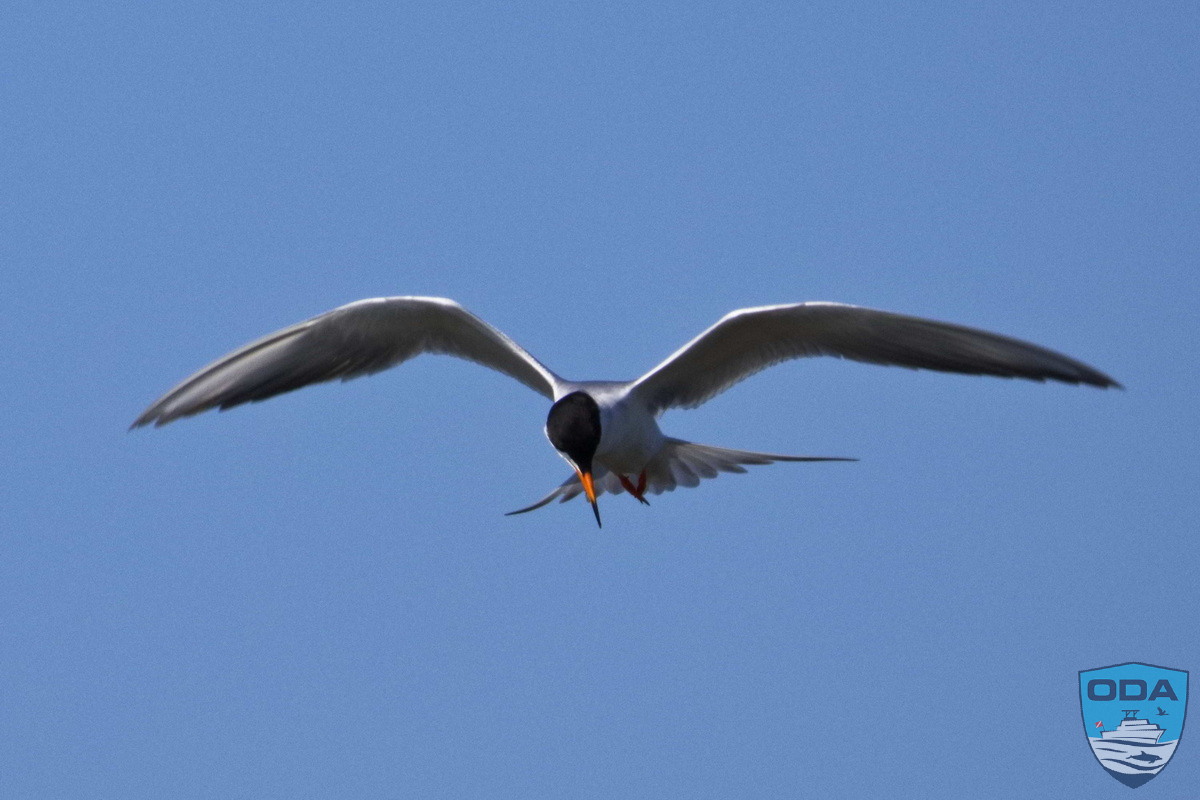
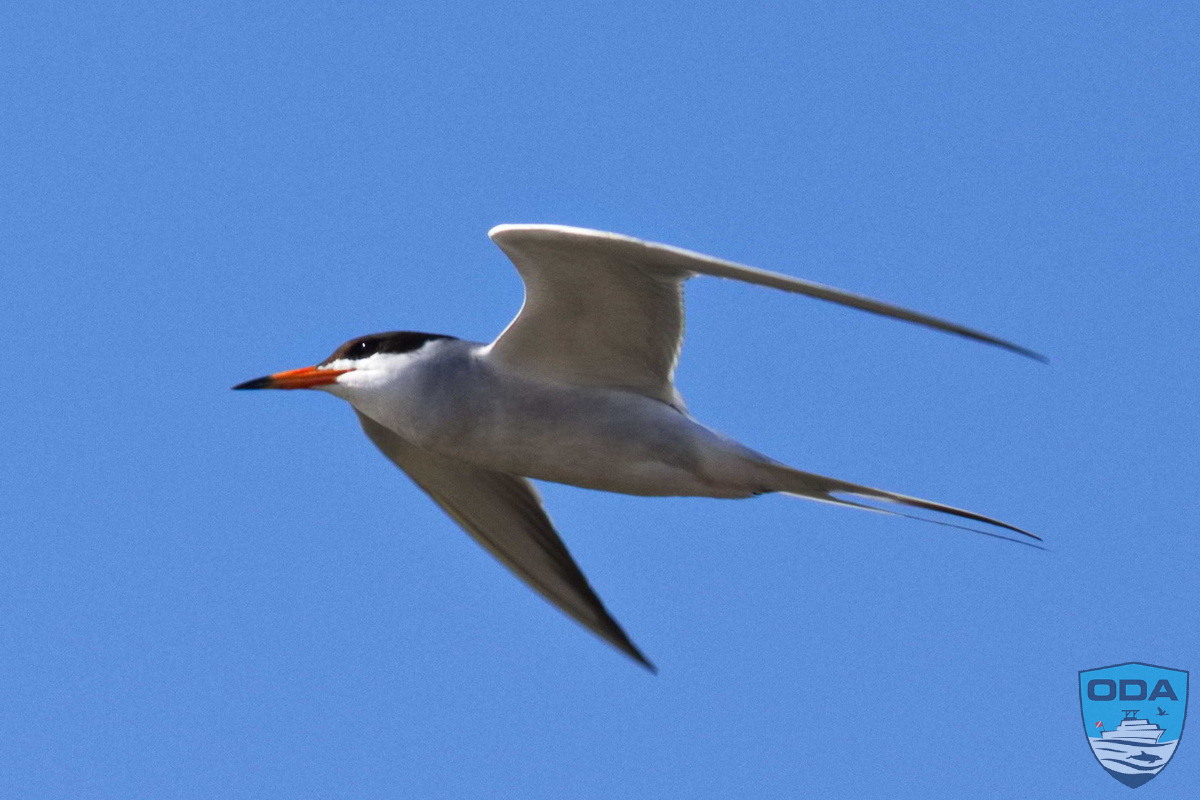
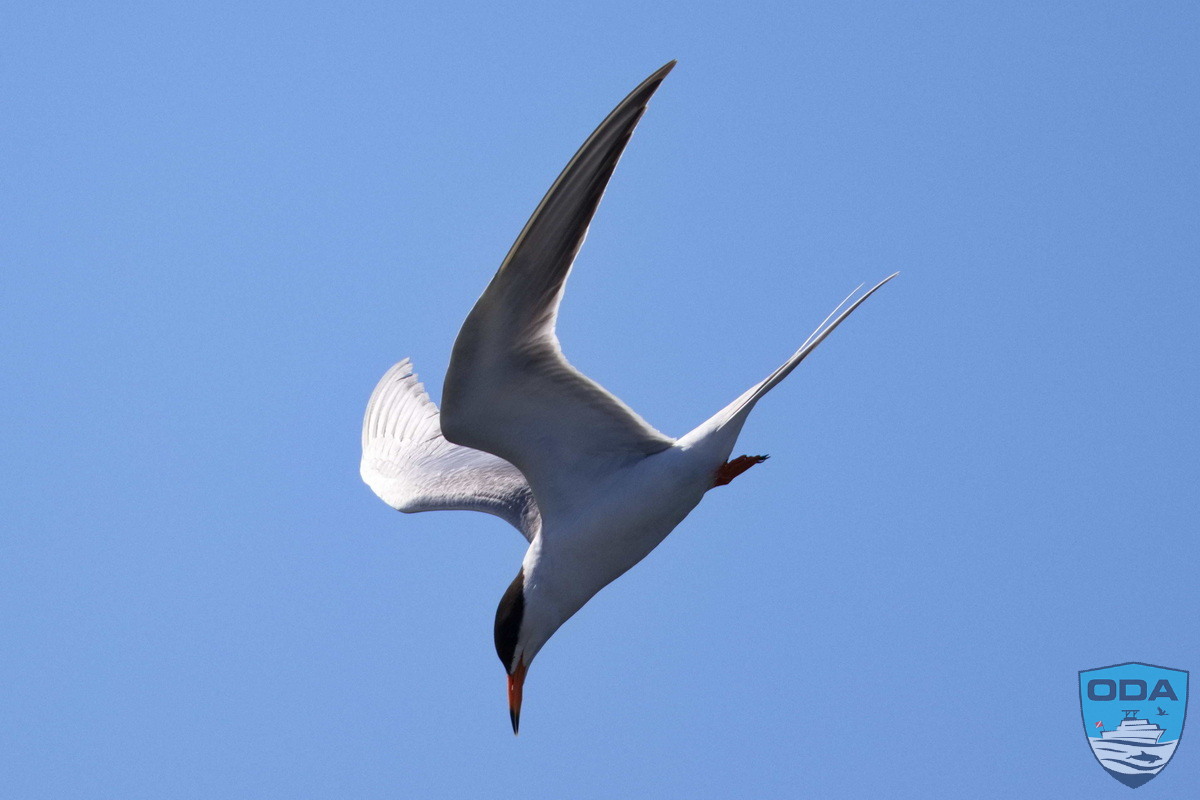
Then there were the common terns hovering over the waters waiting to dive on a fish that got too close to the surface.
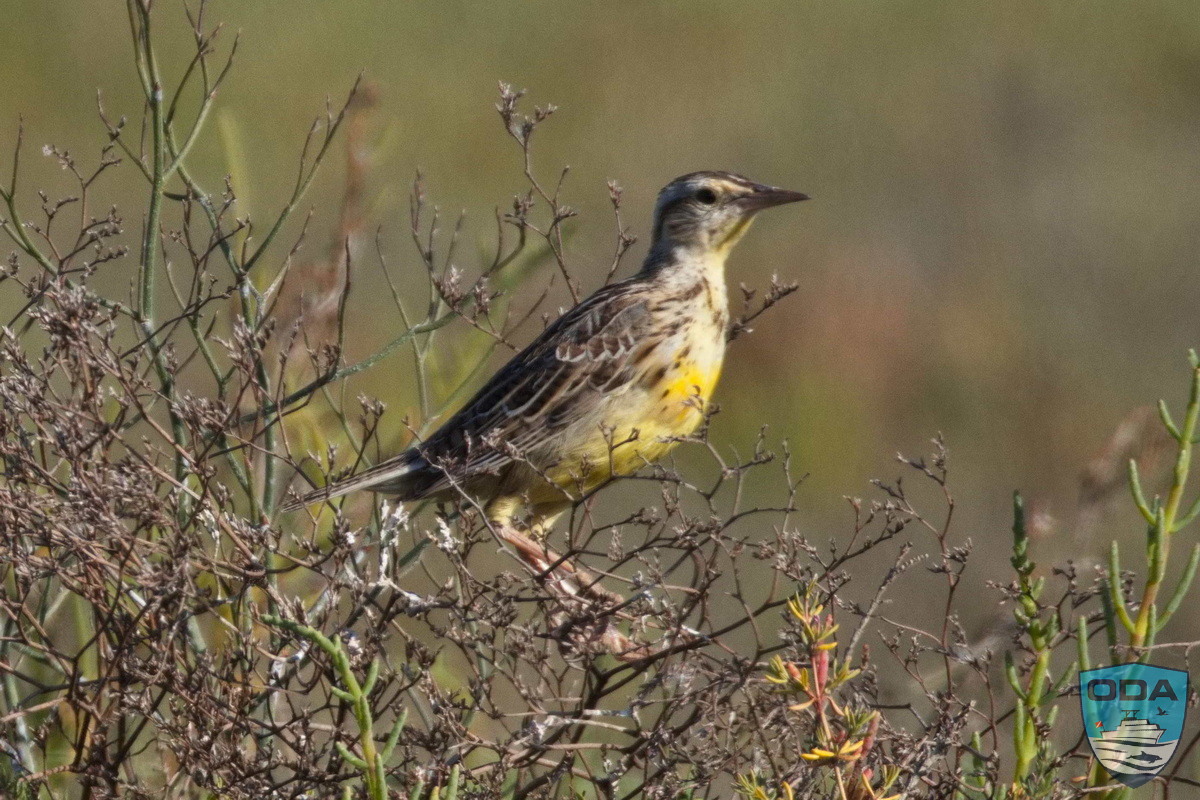
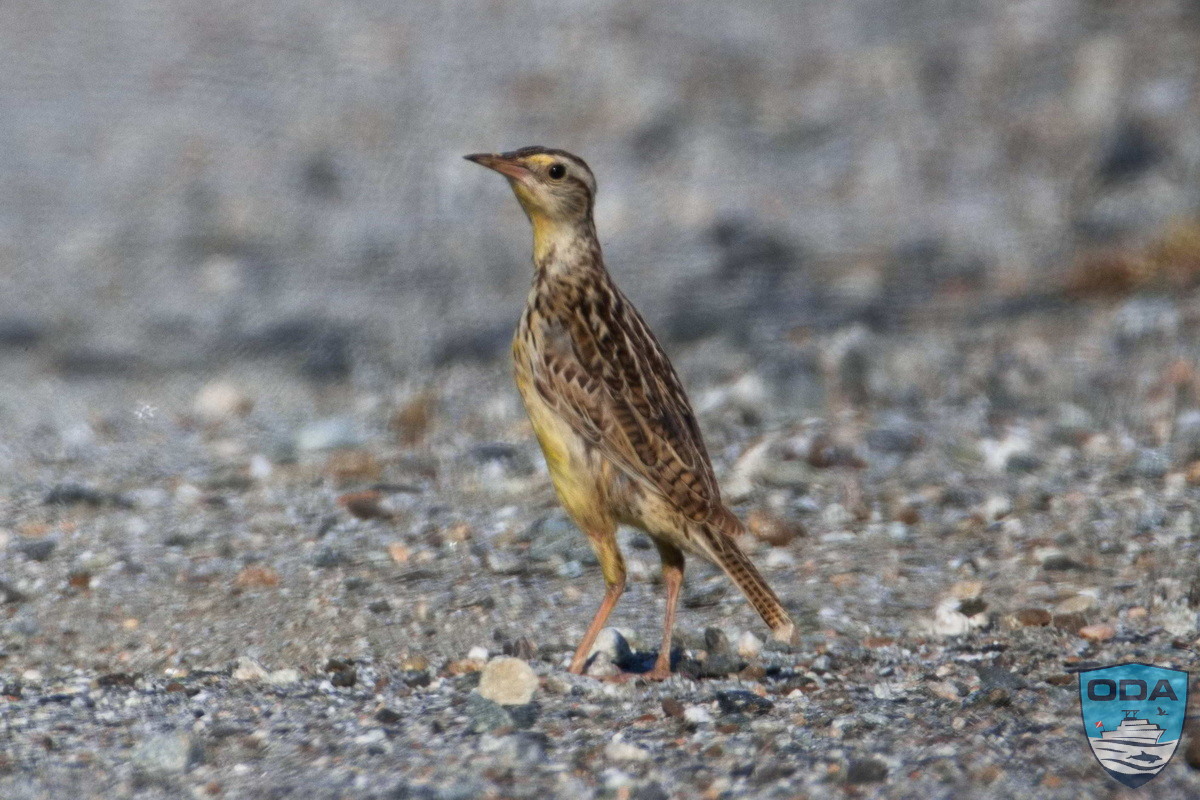
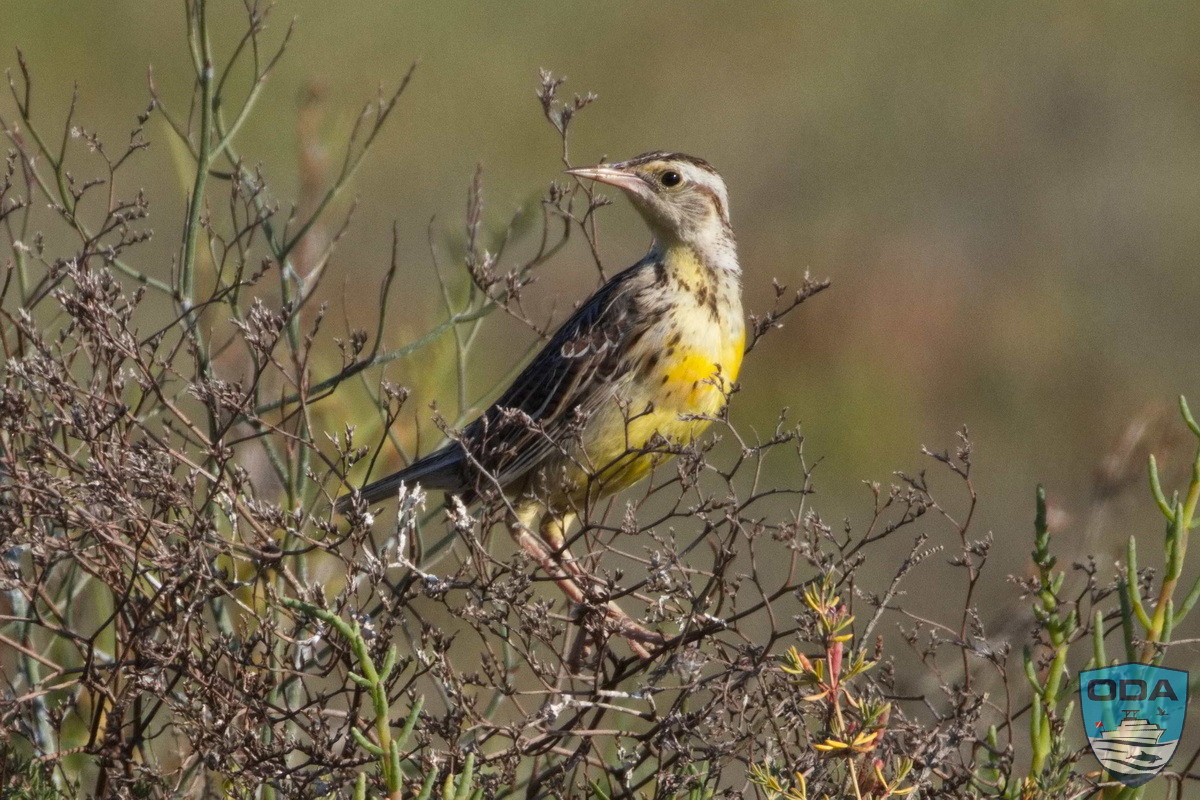
I also spotted 5 or 6 meadowlarks, two parents with their newly fledged chicks.
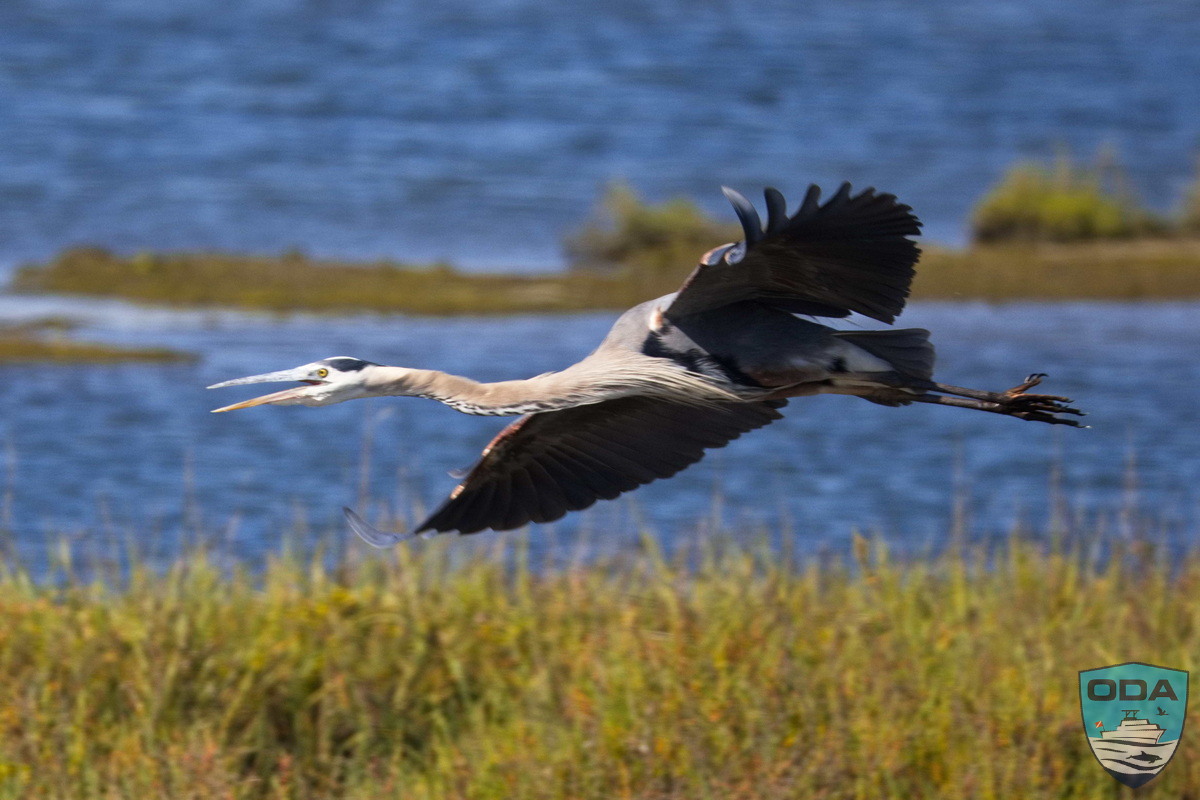
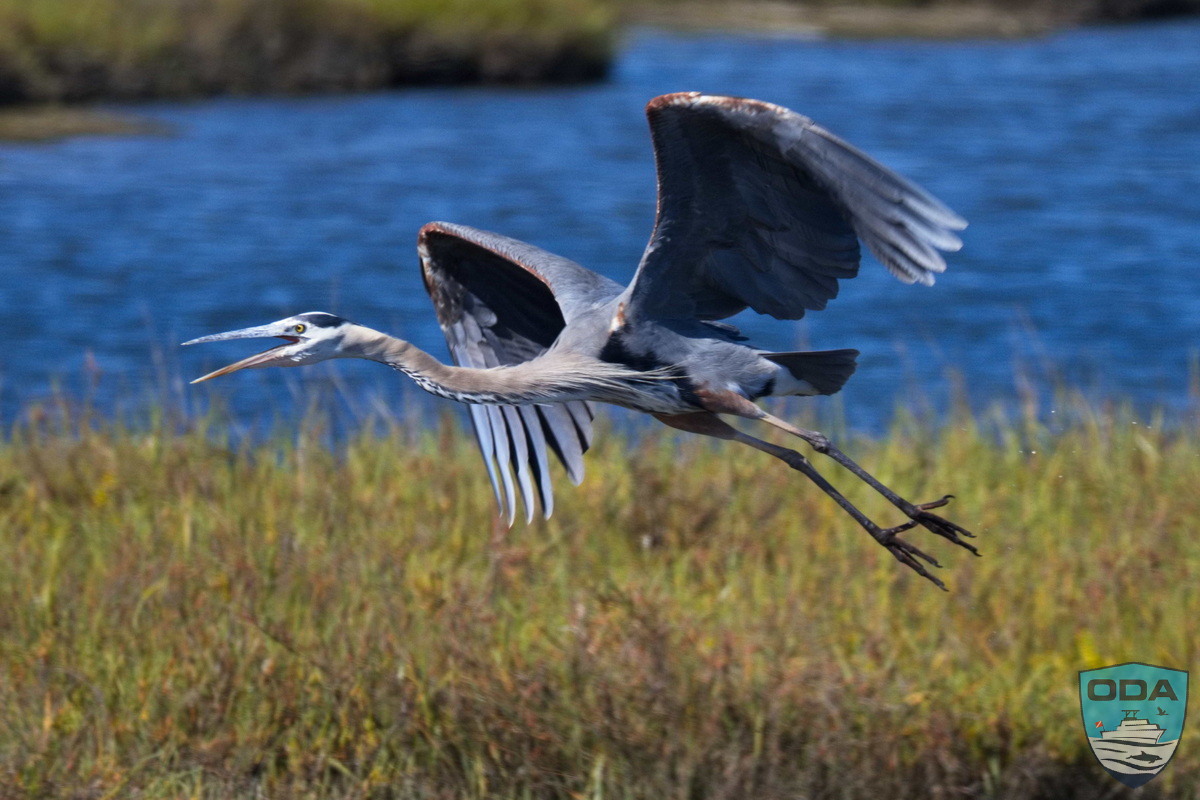
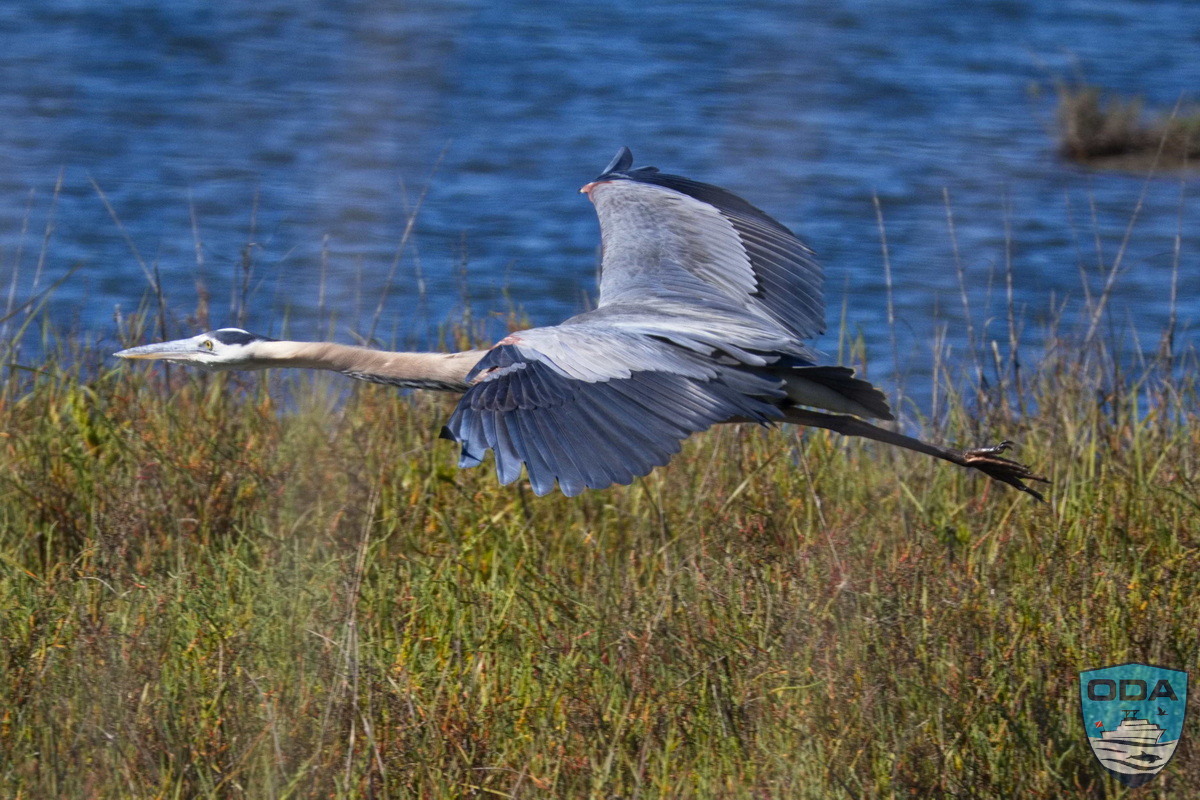
I am always fascinated by the graceful flight of a great blue heron.
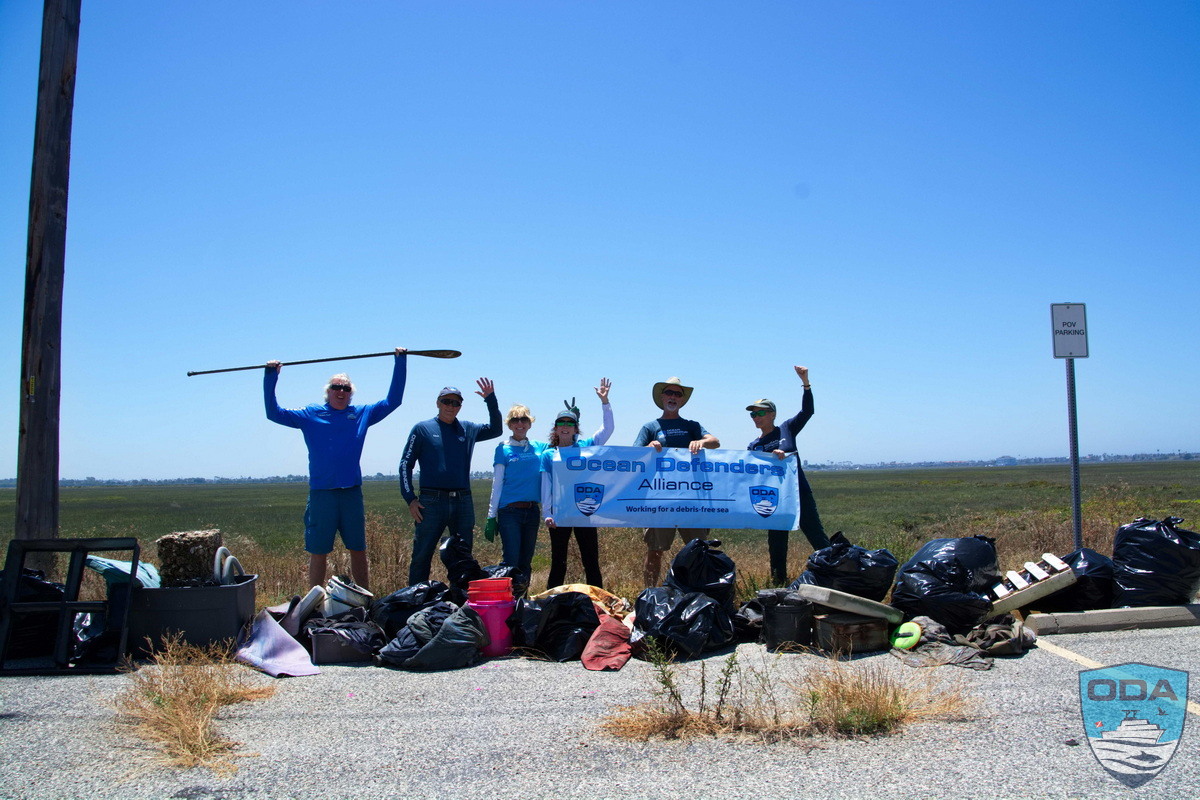
Five volunteers meet up with me at 9am on Wednesday, May 20th. On hand were Dave and Jean Merrill, Linda Nicholes, Fred Reed, and Lisa Taylor.
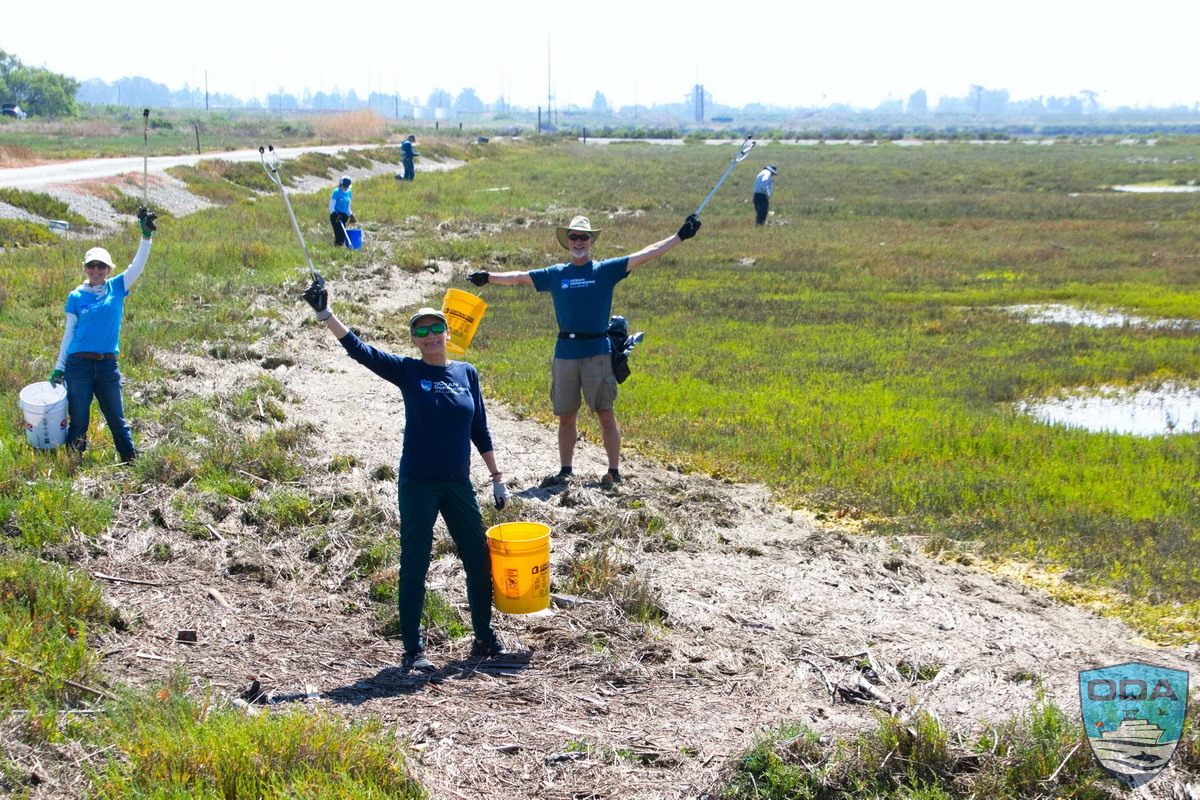
As is typical for coastal areas of California, it was overcast but the fog burned off around 10am and we had clear skies.
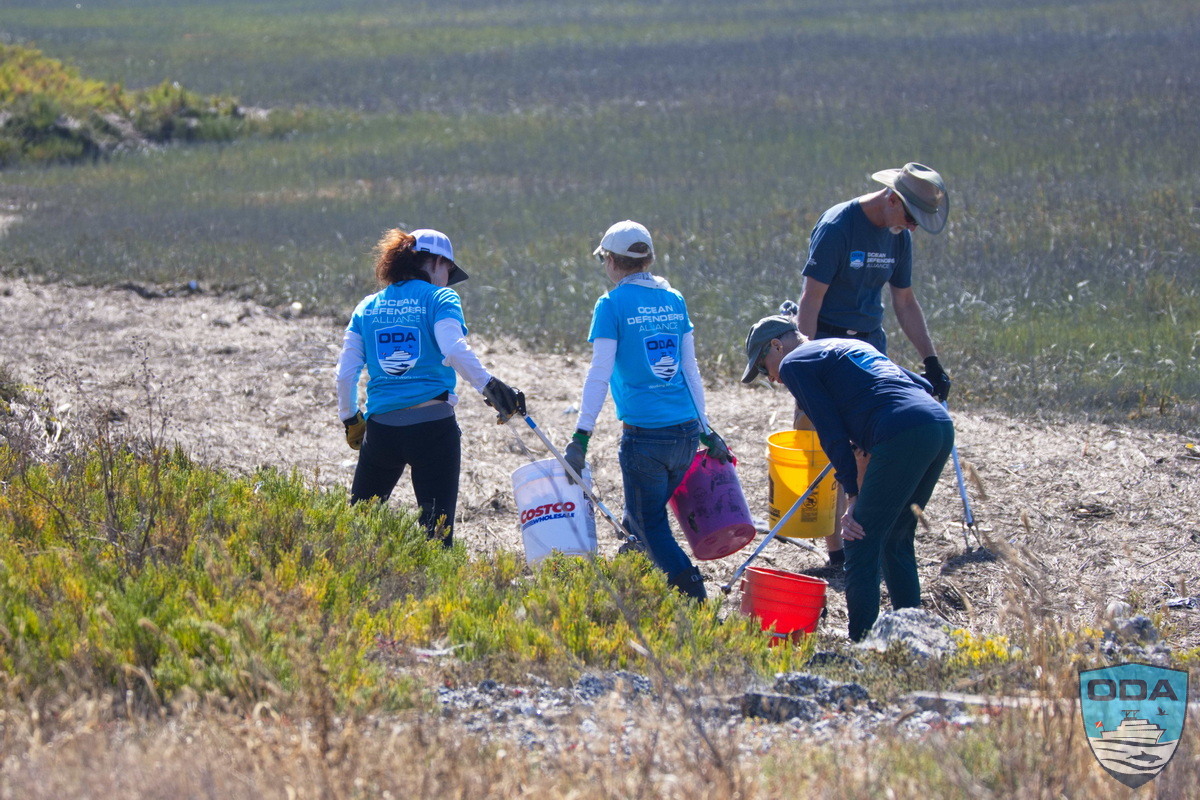
We spent about an hour at the first site and then headed to the second. This is one that we hadn’t worked in before because it is usually inundated with water. But this was a really low tide and once we got going, we were able to get well into the grasses.
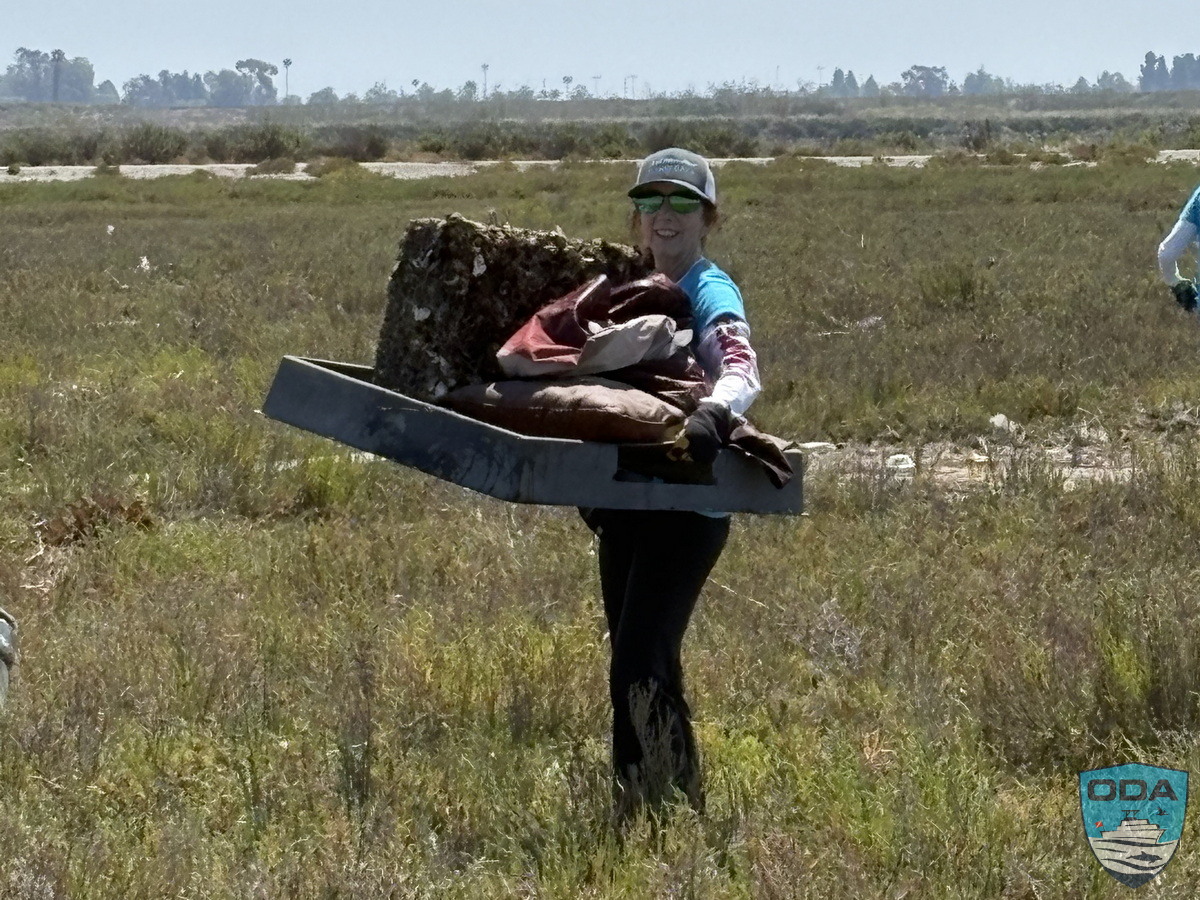
Usually, we can only get 20 or so feet from the edge of the embankment into the grass, as the waters just make it too muddy for us to walk into. But this time we were able to get easily 100 yards into it, and this made a huge difference.
At one point Lisa got in that far and hauled out a huge chunk of the dreaded Styrofoam and carried it on a plastic platter.
We spent the next 2 hours hauling all kinds of big stuff. Like 20-gallon totes, an ammunition box, wooden pallets, golf bags, backpacks, a section of a picket fence, tarps, waterlogged blankets, large chunks of Styrofoam… it was a mess.
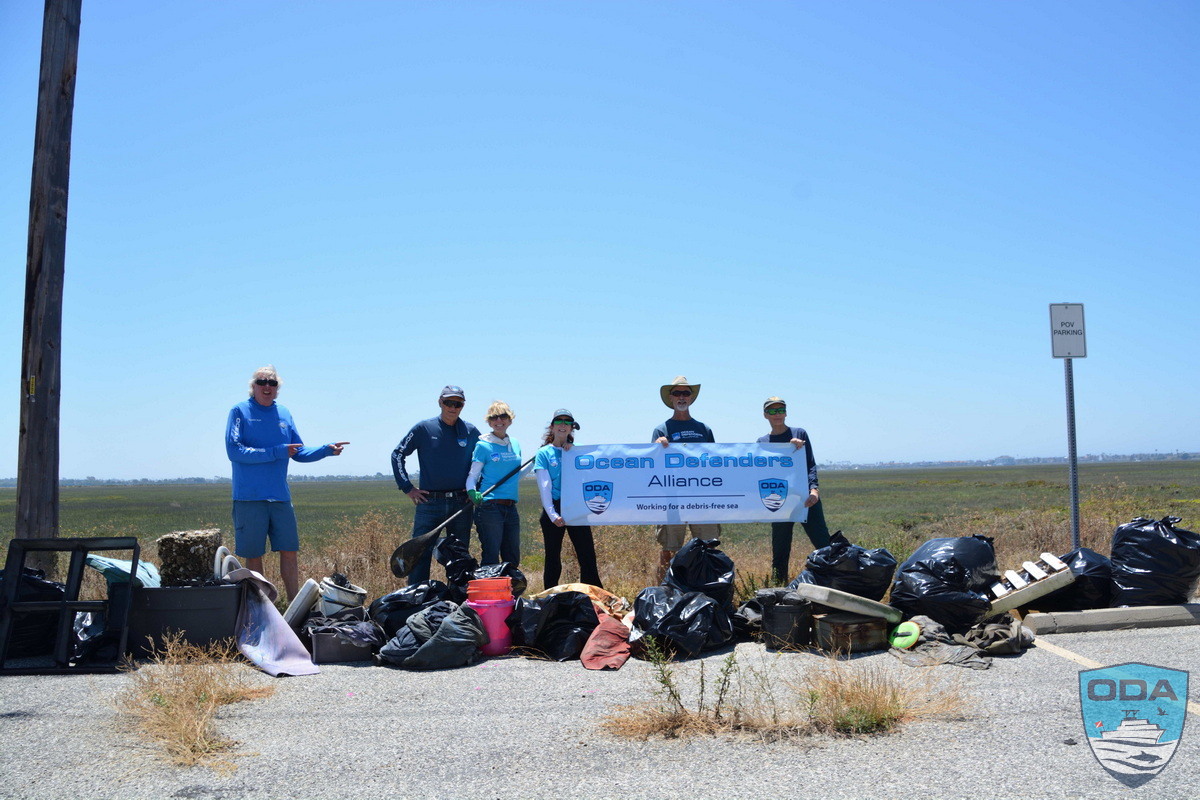 ODA Crew with their "Catch of the Day"
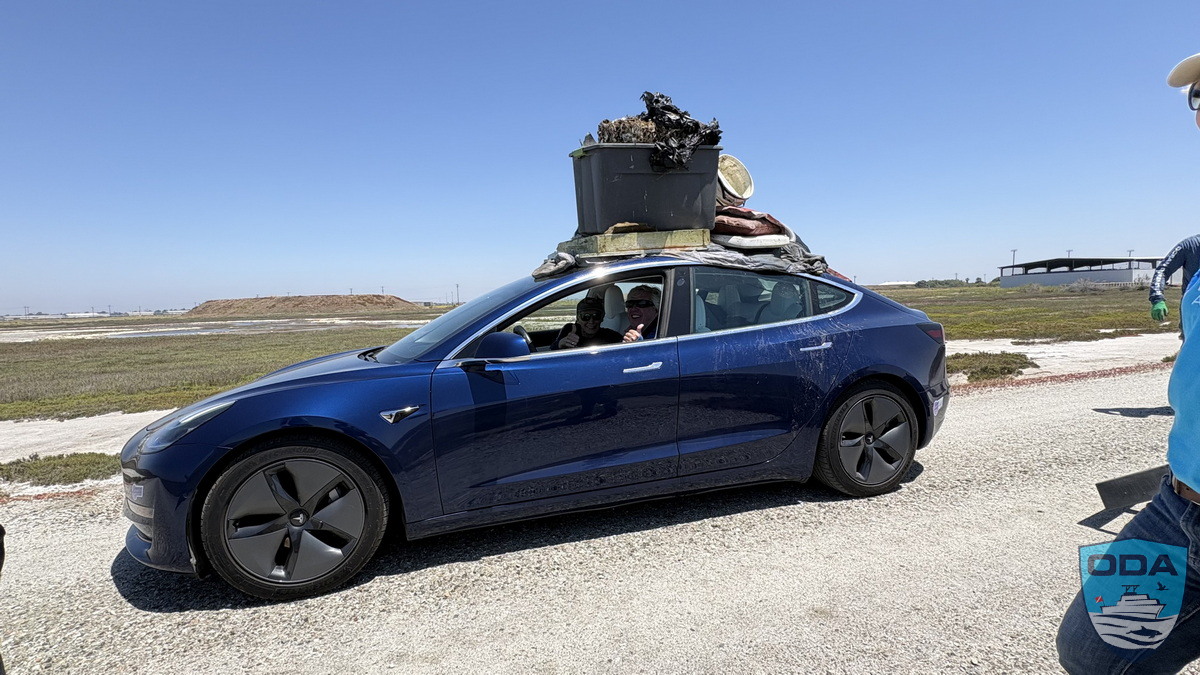
As noon rolled around, we loaded it on top of my car and hauled all the debris we had collected to one spot and took some pictures of our “Catch of the Day”.
In all, I’d estimate that we removed 1,200 pounds of human detritus.
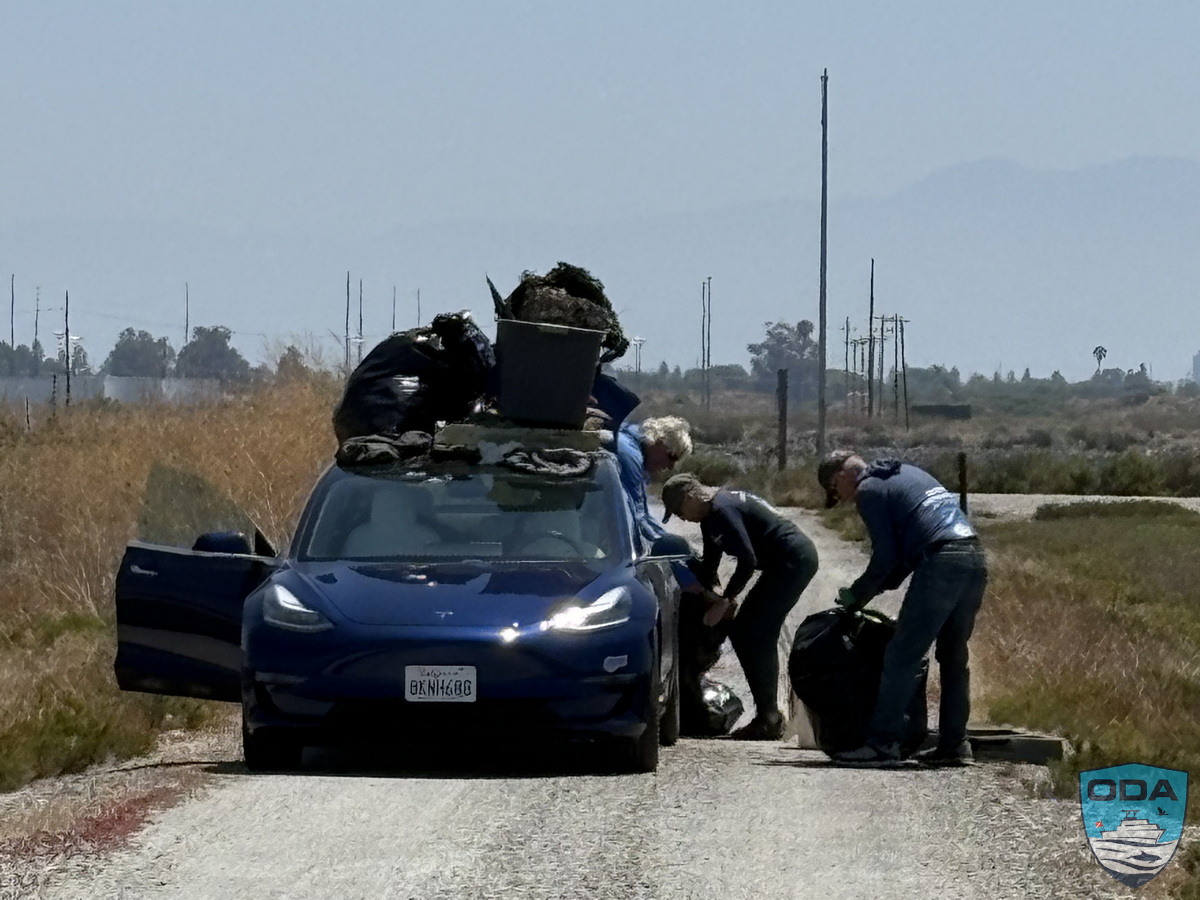
So, what had started out on a down beat ended up being one of our most prolific days in the Refuge.
We got to see some really cool birds, spend time with people who care about the planet, and made the wetlands free of over half a ton of man-made waste.
You can be part of this too, if you live in or come through Southern California. Just shoot us an email!