By Founder and President Kurt Lieber
With the advent of the commercial lobster fishery starting up on the first Wednesday of October, ODA is switching gears by being active on and above the water rather than under it.
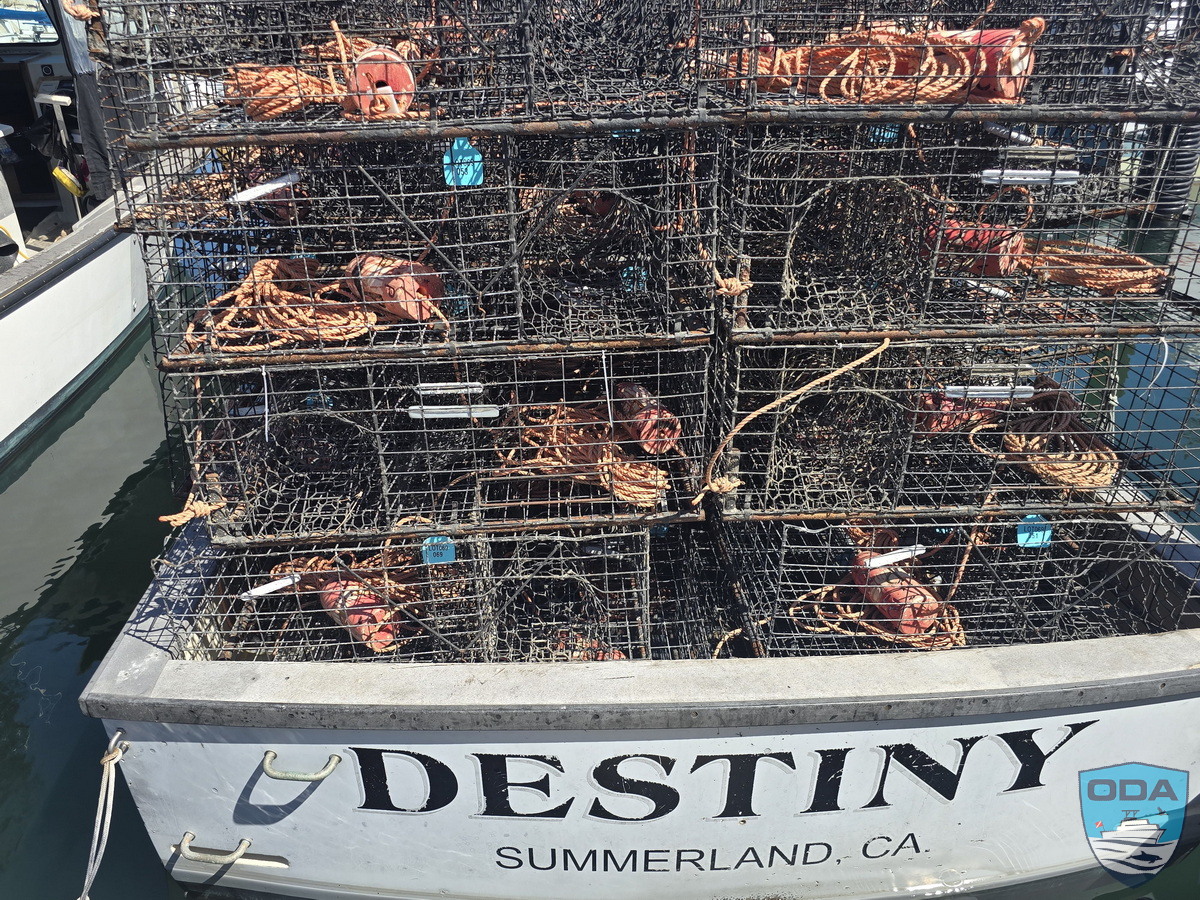
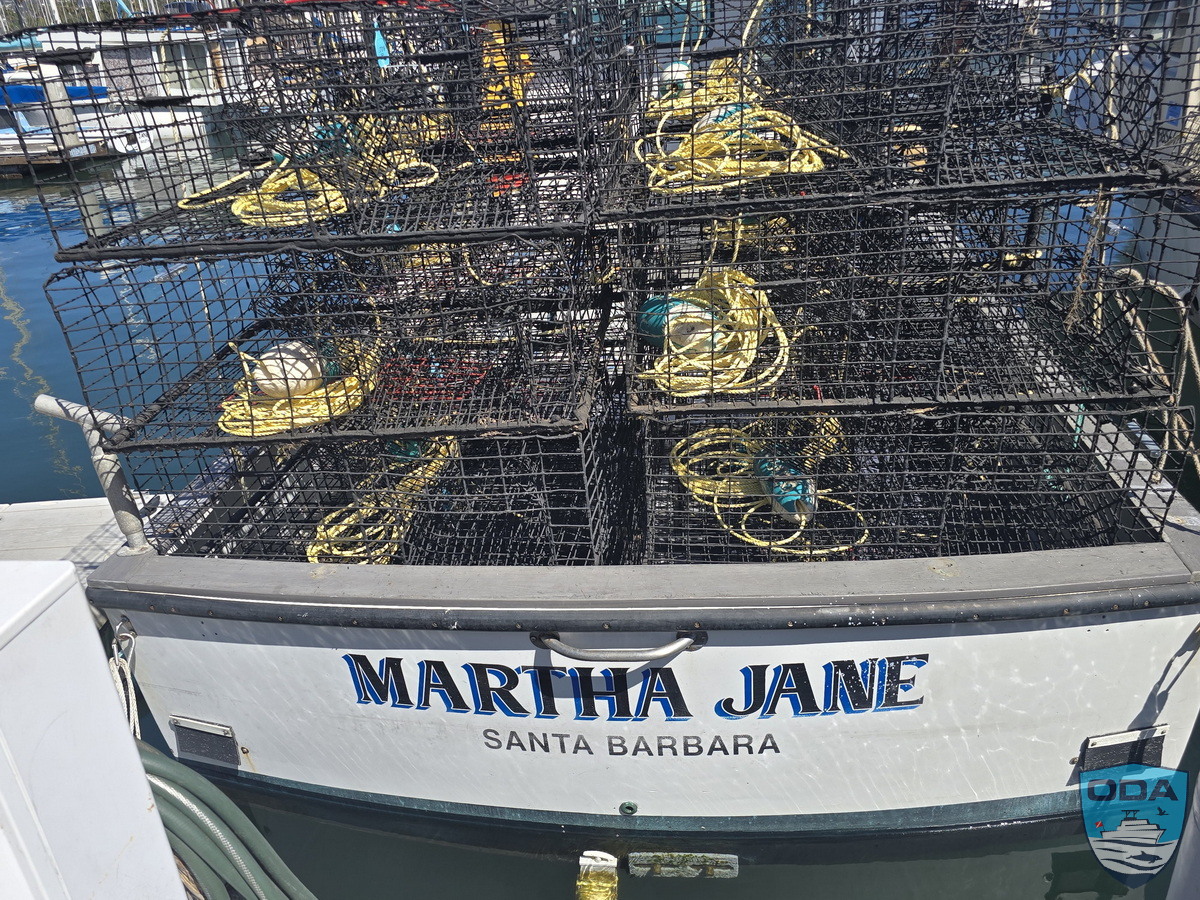
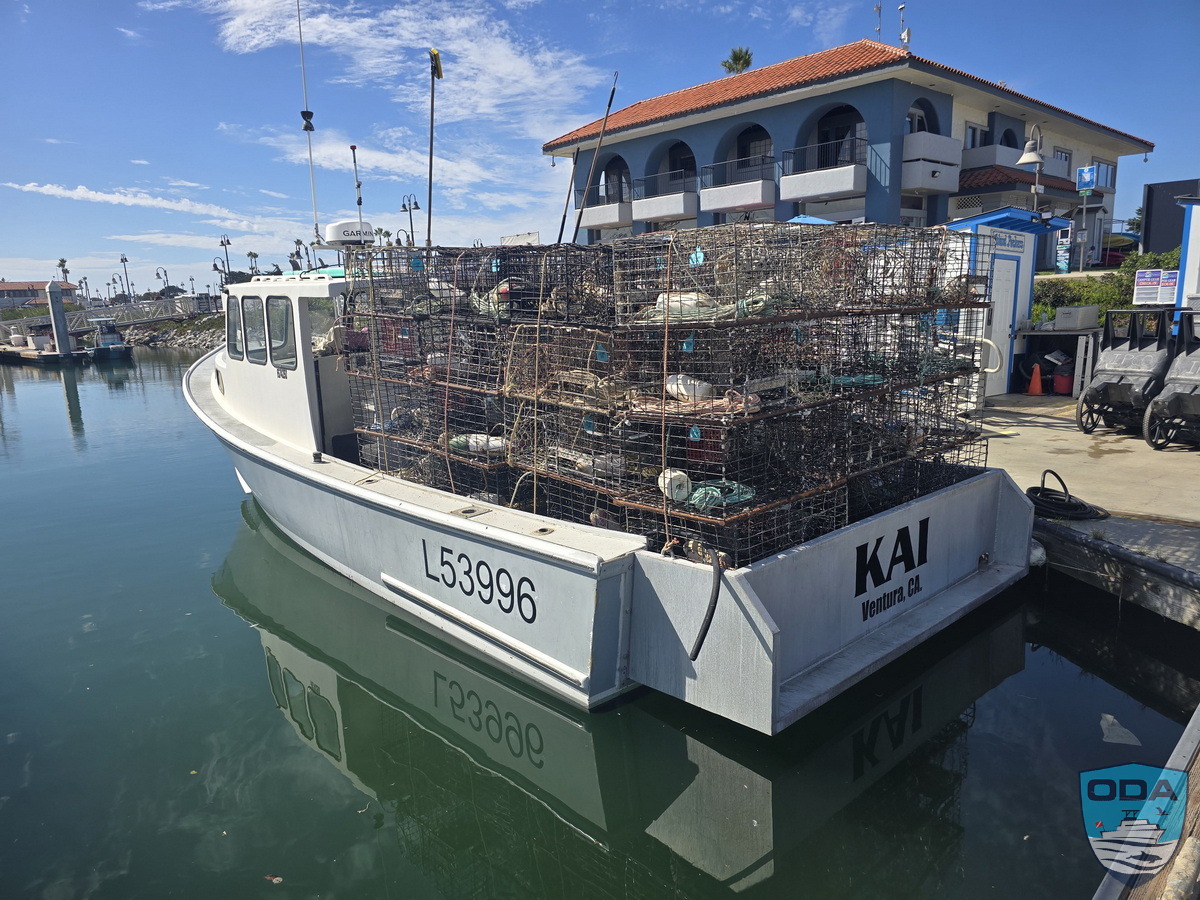 Lobster fishing boat full of traps
We keep records on where the traps get set in areas where there is potential for whales to become entangled in the trap lines. Also, we want to log the areas so we can return to remove traps that are never retrieved by the fishermen.
Every year there are approximately 150,000 commercial lobster traps set, from San Diego to just north of Santa Barbara, with all the islands in between.
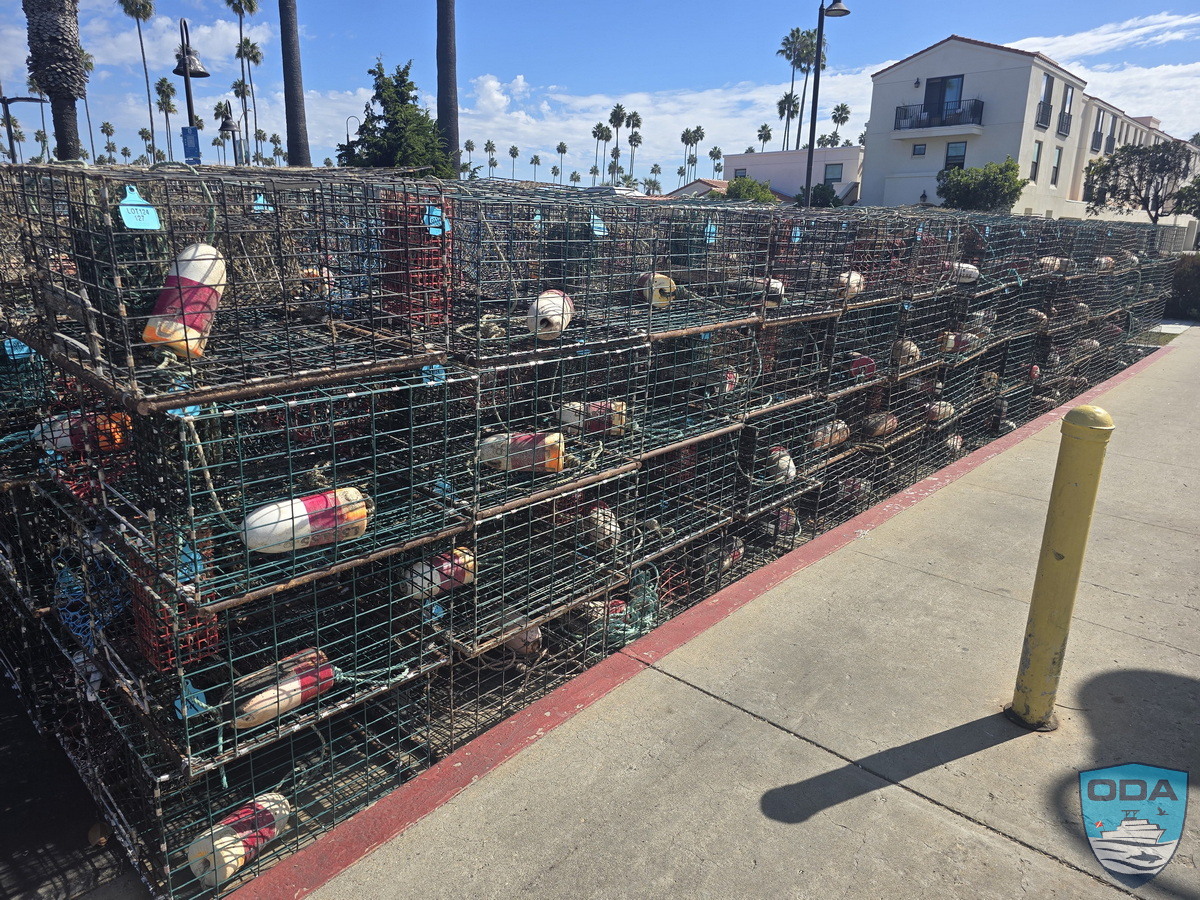
In most years 10-15% of them get lost. They then become “ghost gear” as they continue to kill animals after the fishermen can no longer locate and remove them. Some years the percentage is even worse, with up to 30% in years when we have huge storms, which is what this year is shaping up to be.
Unattended Killing Machines
When lobster and crab traps are lost or abandoned on the ocean floor, they become derelict fishing gear, commonly known as ghost gear. Even after the fishing season ends, these traps can continue killing marine life for years.
Here's how it happens:
- Bait continues to attract animals. Fish, crabs, lobsters, and other marine creatures are drawn into the traps by bait or by animals already caught inside.
- They become trapped and die. Unlike actively fished traps, abandoned traps are never checked or emptied. Animals that enter cannot escape and eventually die from starvation, exhaustion, or lack of oxygen.
- The cycle repeats. As trapped animals die and decompose, their remains attract more scavengers and predators, which enter the trap and become trapped themselves. This creates a deadly cycle known as ghost fishing.
- The killing continues long after fishing season. These traps can remain on the ocean floor for years, continuing to capture and kill marine life without anyone knowing.
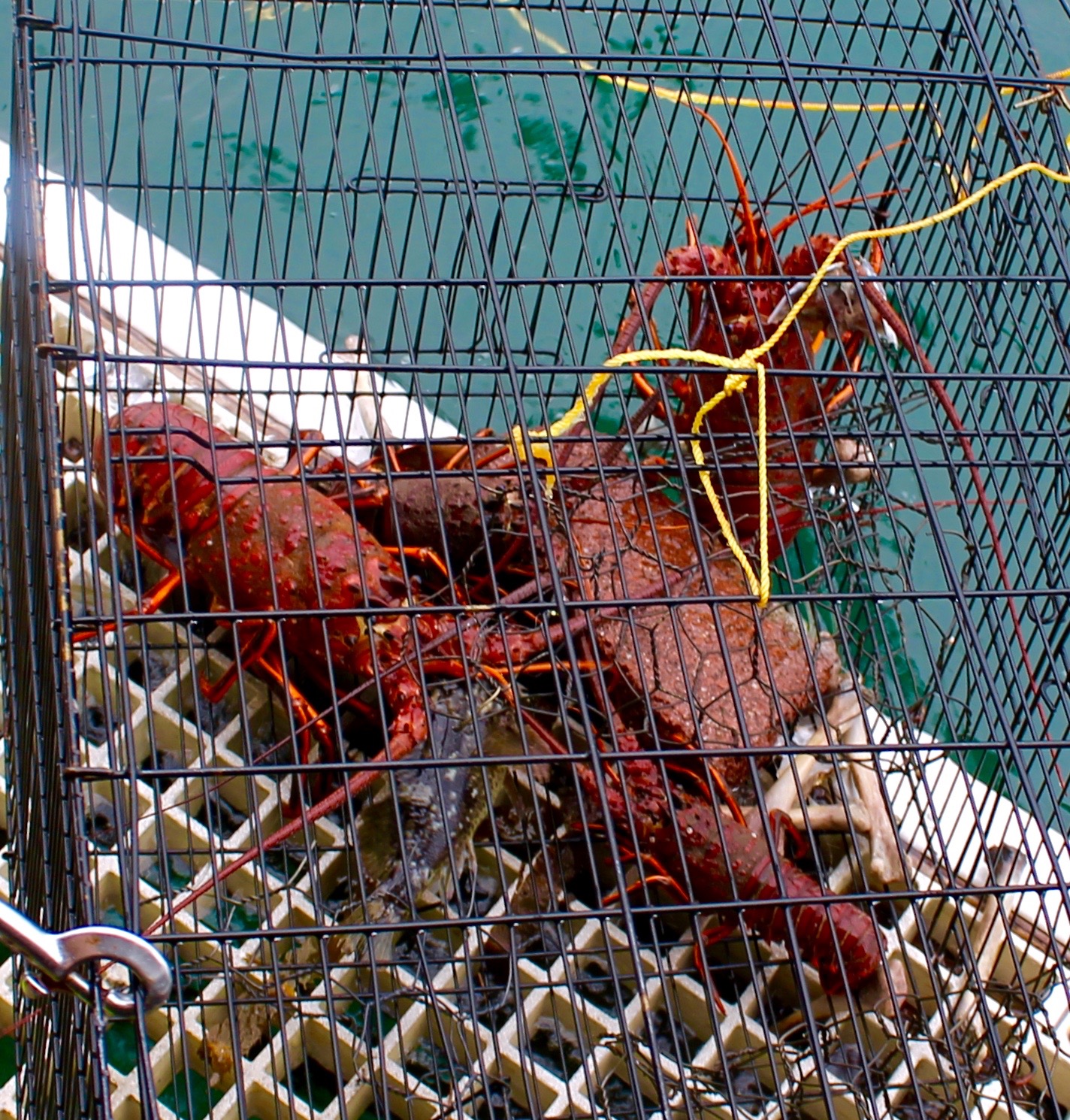
The bottom line: A lobster or crab trap that is never retrieved doesn't stop fishing. It becomes an unattended killing machine, trapping and killing marine life day after day, season after season.
Back to the Air Reconnaissance
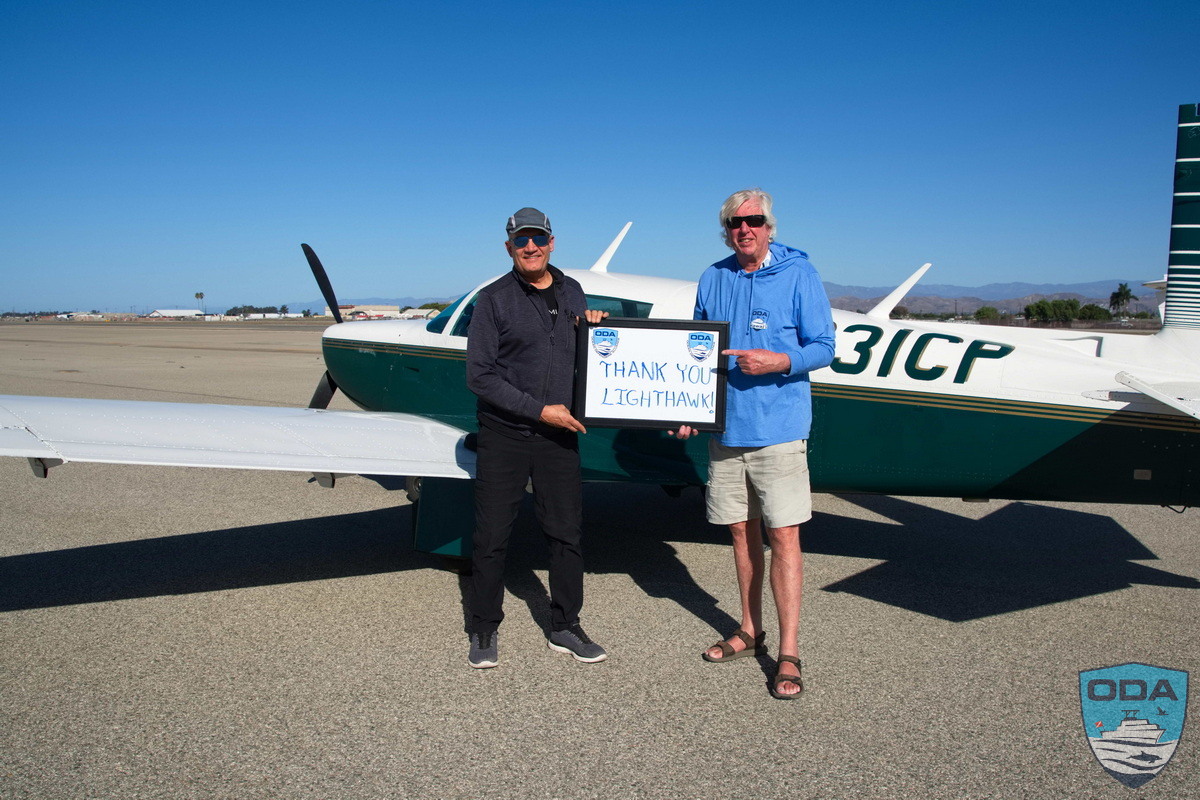
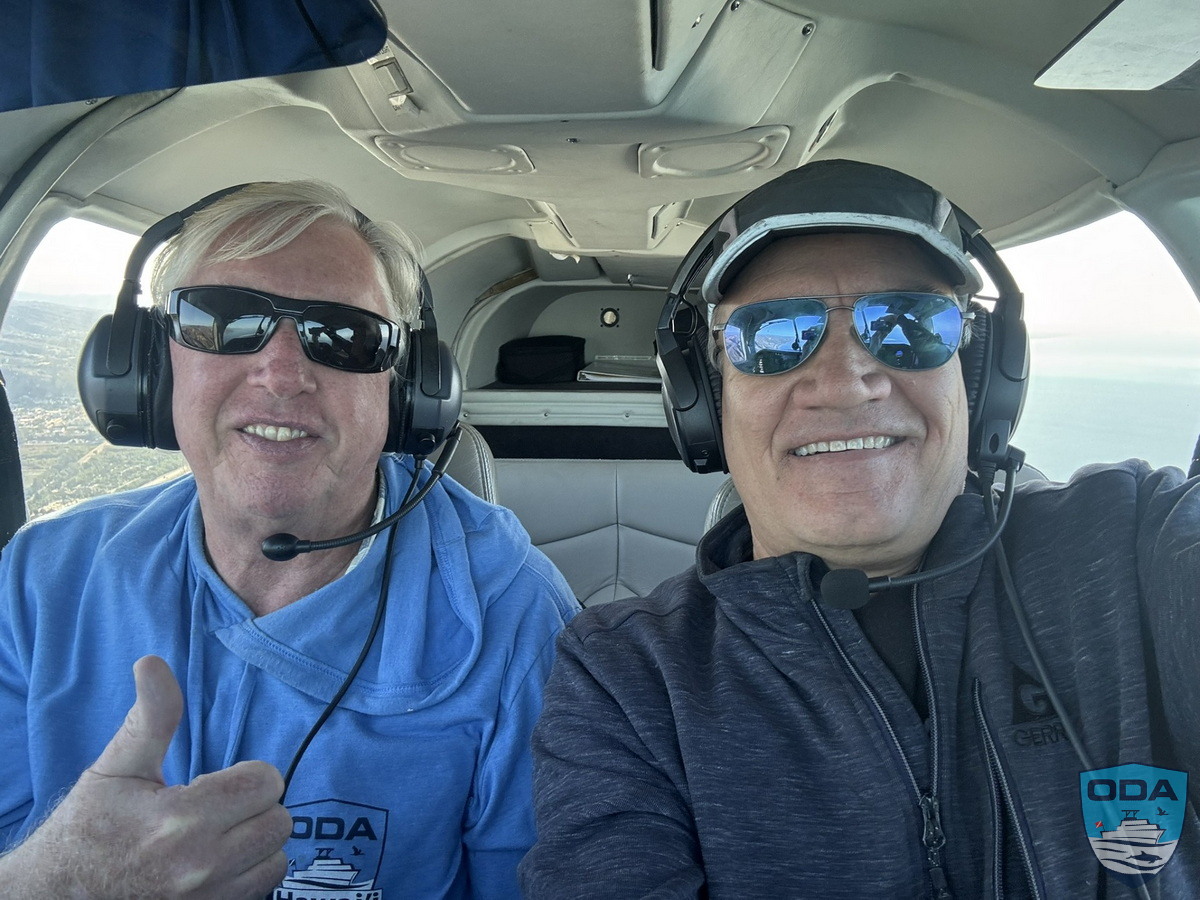
On October 18th I took a flight along the California coast from Malibu north to Goleta, a stretch of roughly 80 miles. A nonprofit group called Lighthawk has a roster of volunteer pilots who offer to take researchers up in the air in their own plane, to help assist with conservation projects. ODA has flown with them before, and we’ve gained some invaluable information that would be next to impossible to get if we couldn’t see it from the air.
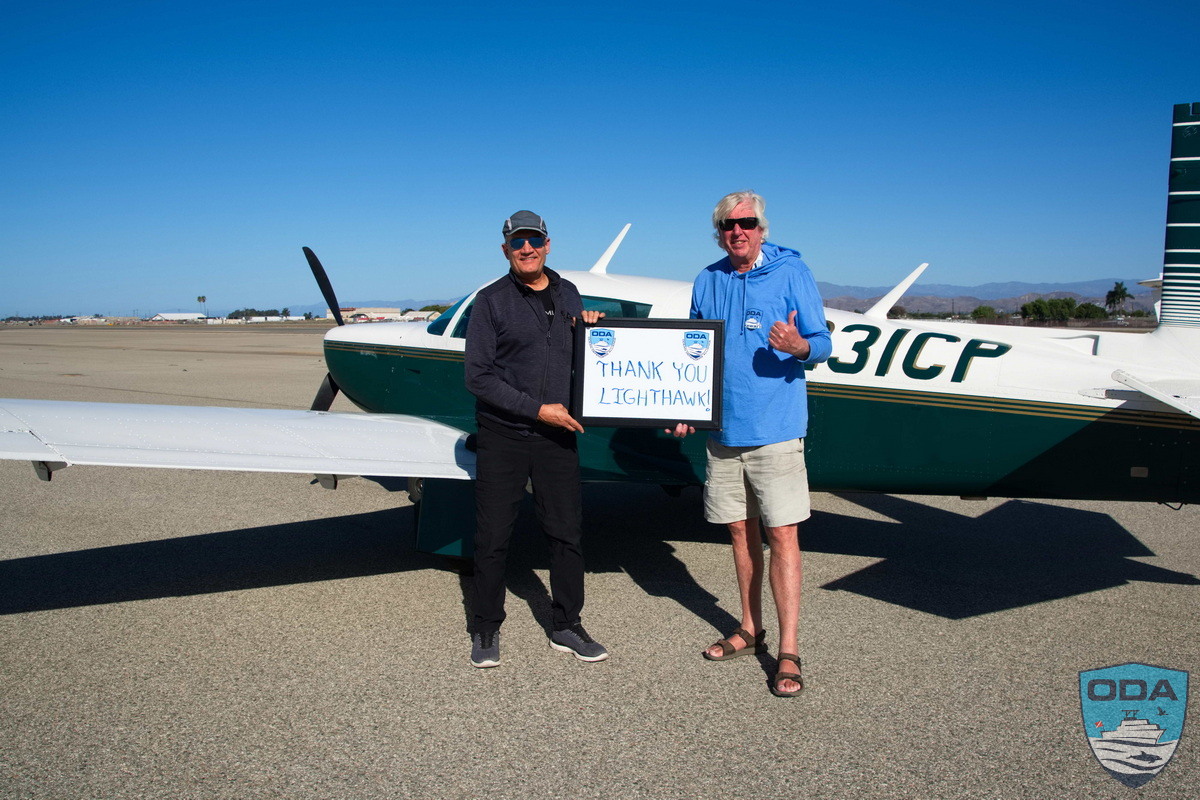
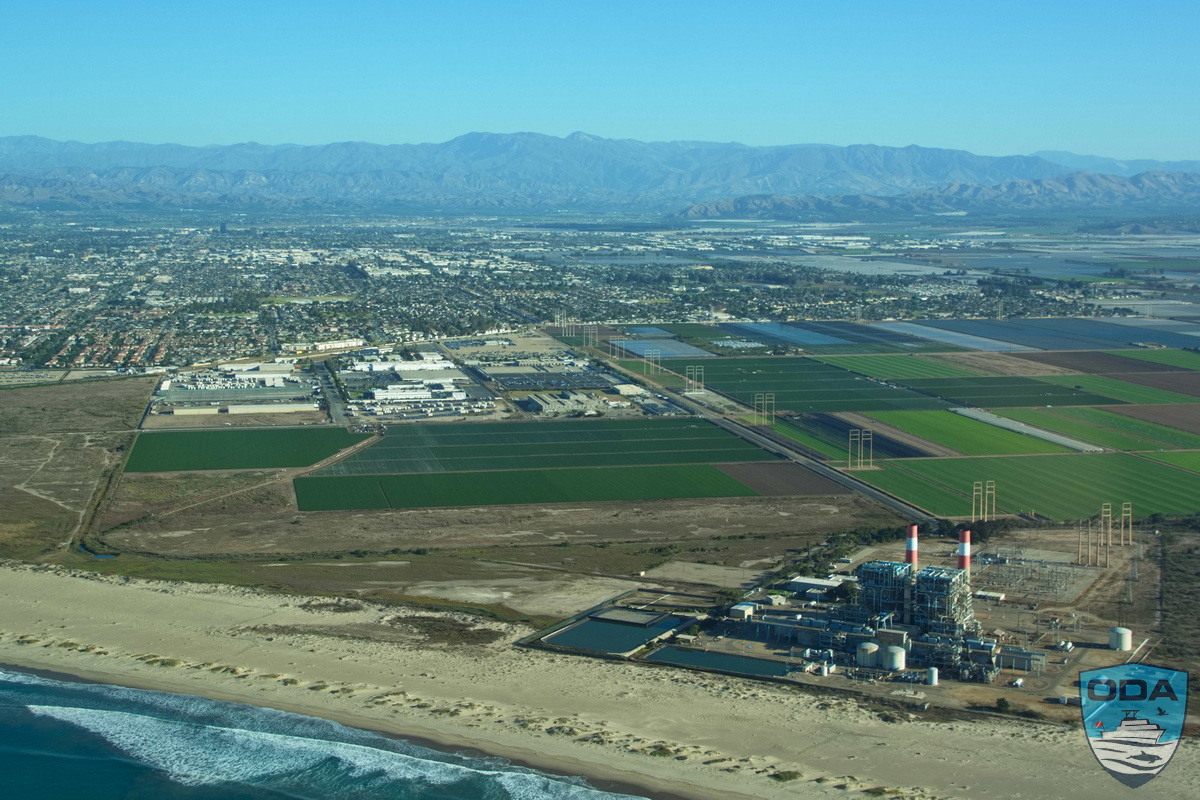
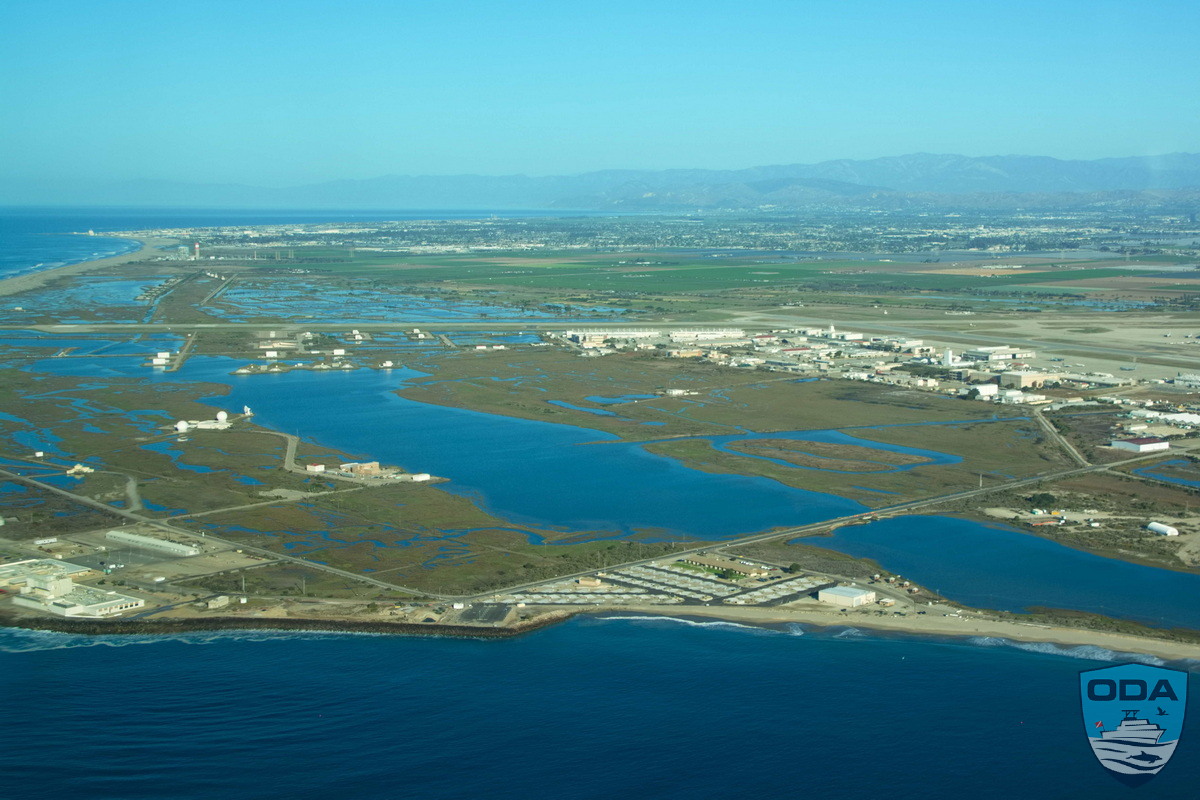
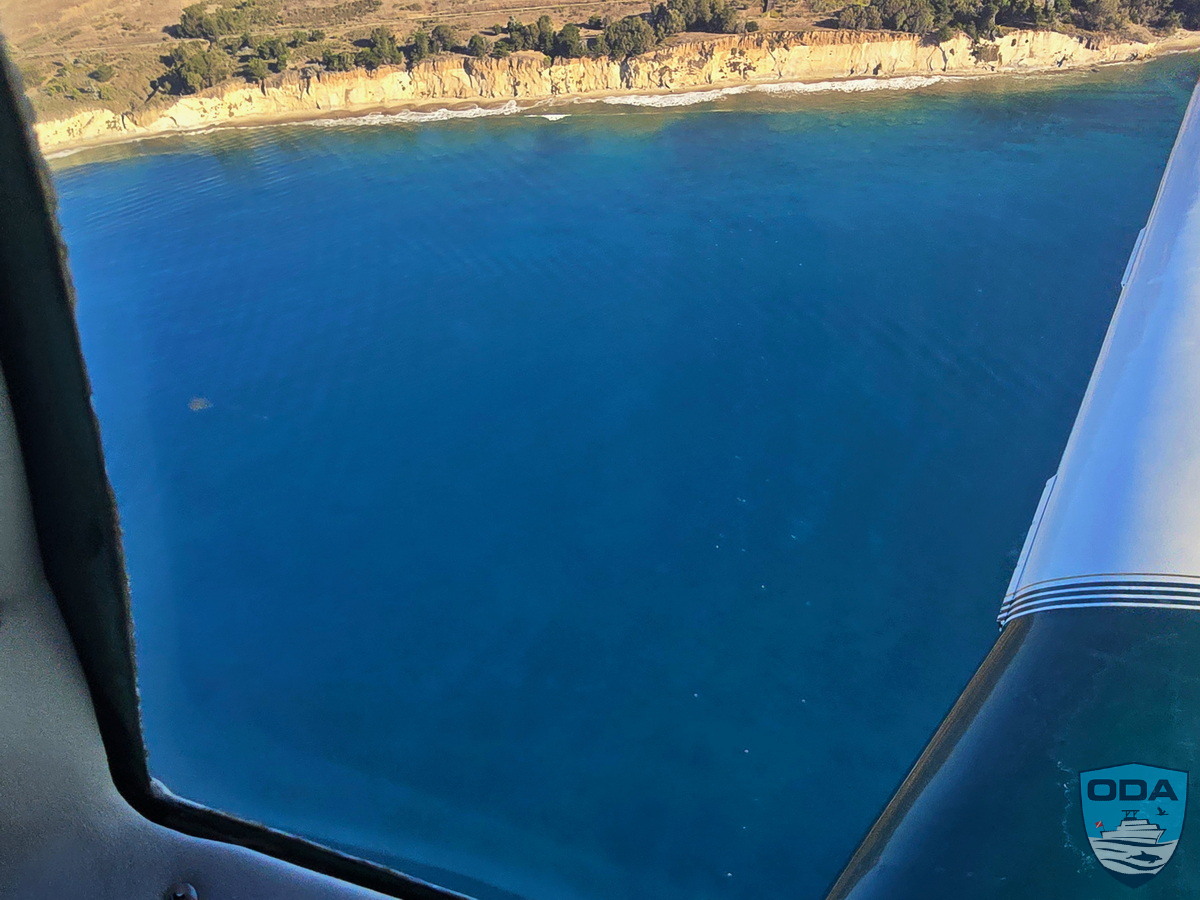
I met the pilot, Dave Houghton, at Oxnard airport at 8am sharp, and 20 minutes later we were airborne. First, we headed south toward Point Dume, Malibu. Once there we did a 180 and headed north, with Dave positioning the plane about a quarter of a mile offshore. That put me in a good position to be able to see any trap buoys that were bobbing on the surface of the water. Since we were flying 1,000 off the ground, I had no problem spotting the buoys.
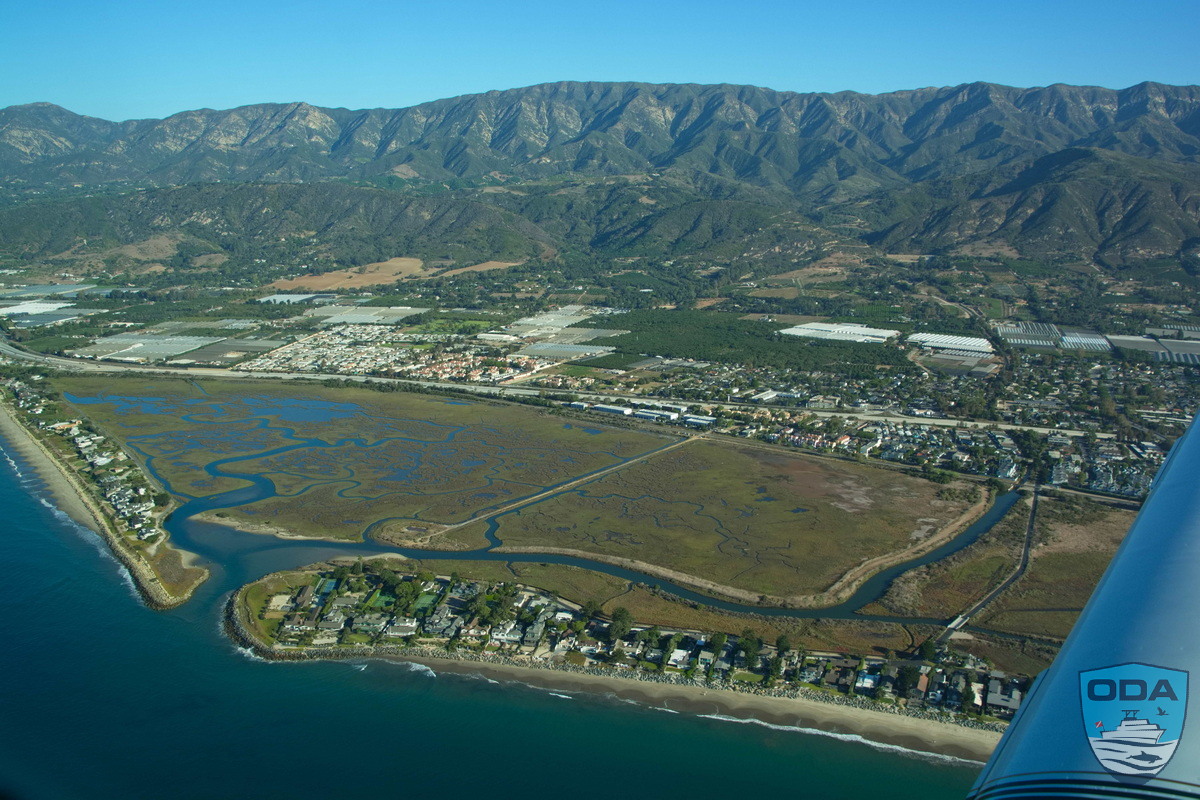
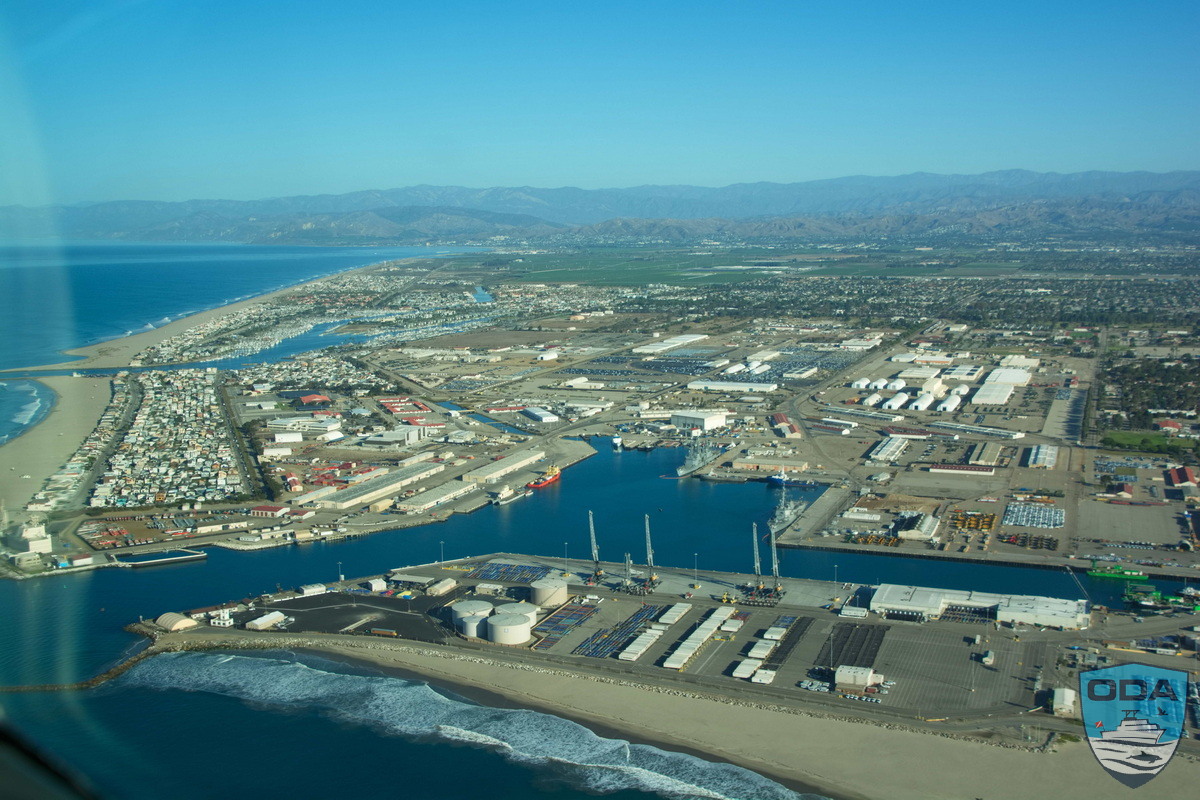
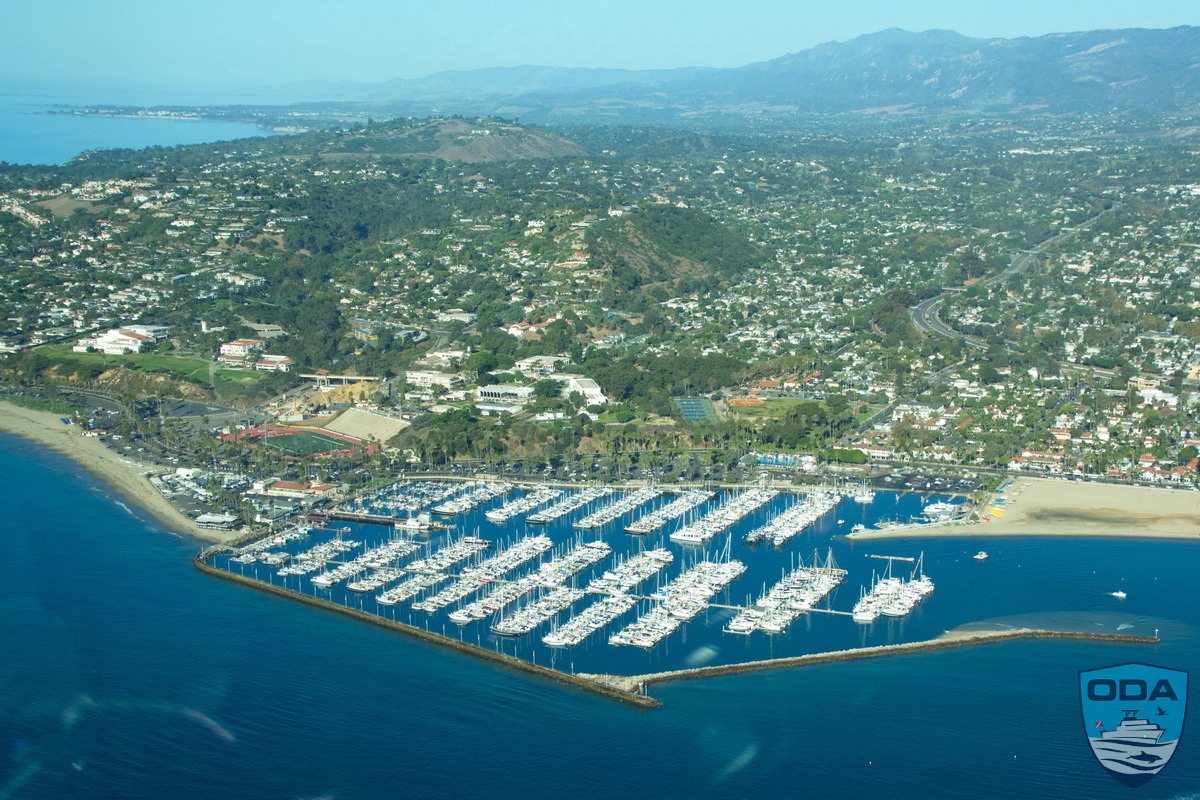 Santa Barbara Harbor
Since lobsters like to hang out in rocky areas where it’s easier to hide from predators, I know where most of the traps are set. But what I was looking for this time were spots that I hadn’t seen before.
It didn’t take us long to find two such locations: Deer Creek and Point Mugu. Both locations don’t have much in the way of rocky structures, but I saw many dozen, if not one hundred, traps set there. Interesting…
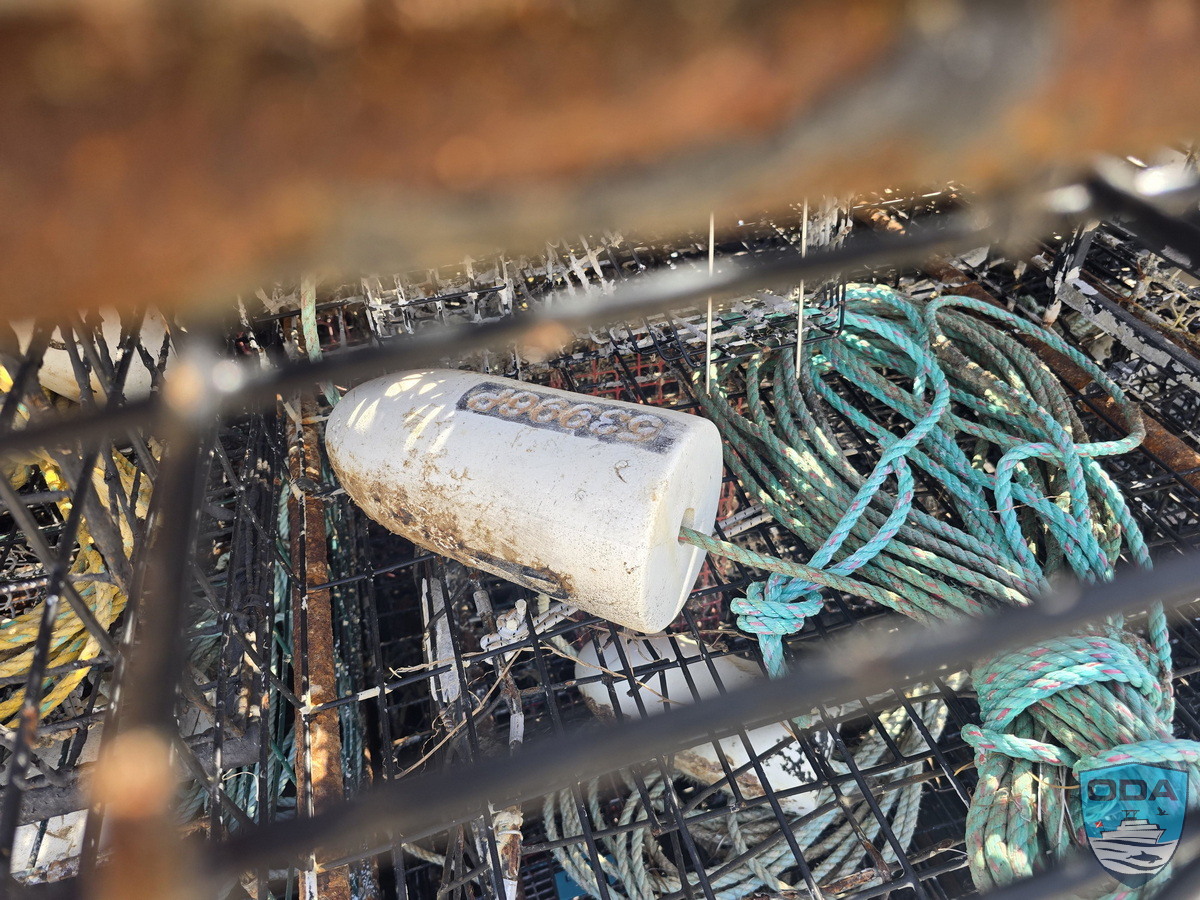
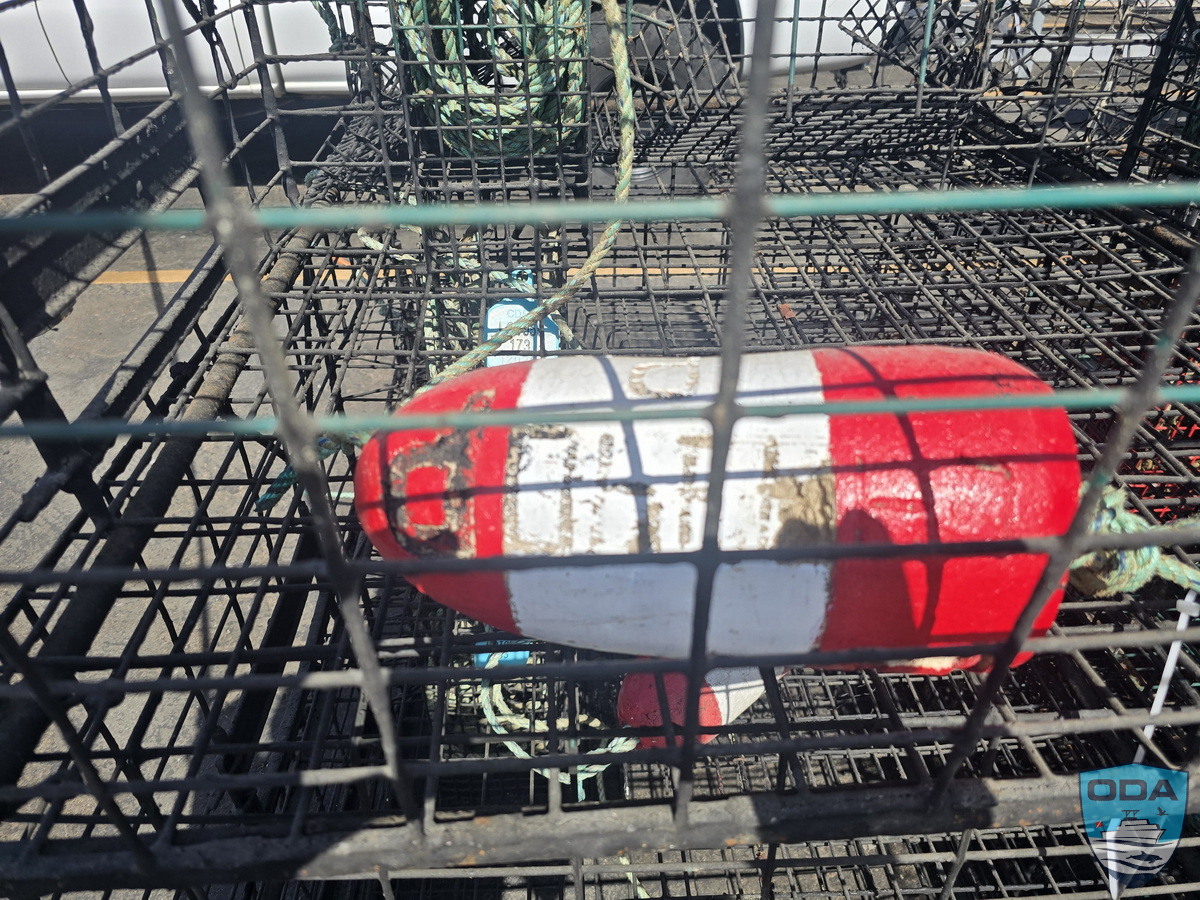
I recorded the GPS locations and will go back there with our boat to get more detailed information. From the air I can’t tell the difference between a lobster trap and a crab or shrimp trap. For that I need to be on the water where I can identify which fishery the trap is for by the ID numbers on the buoy.
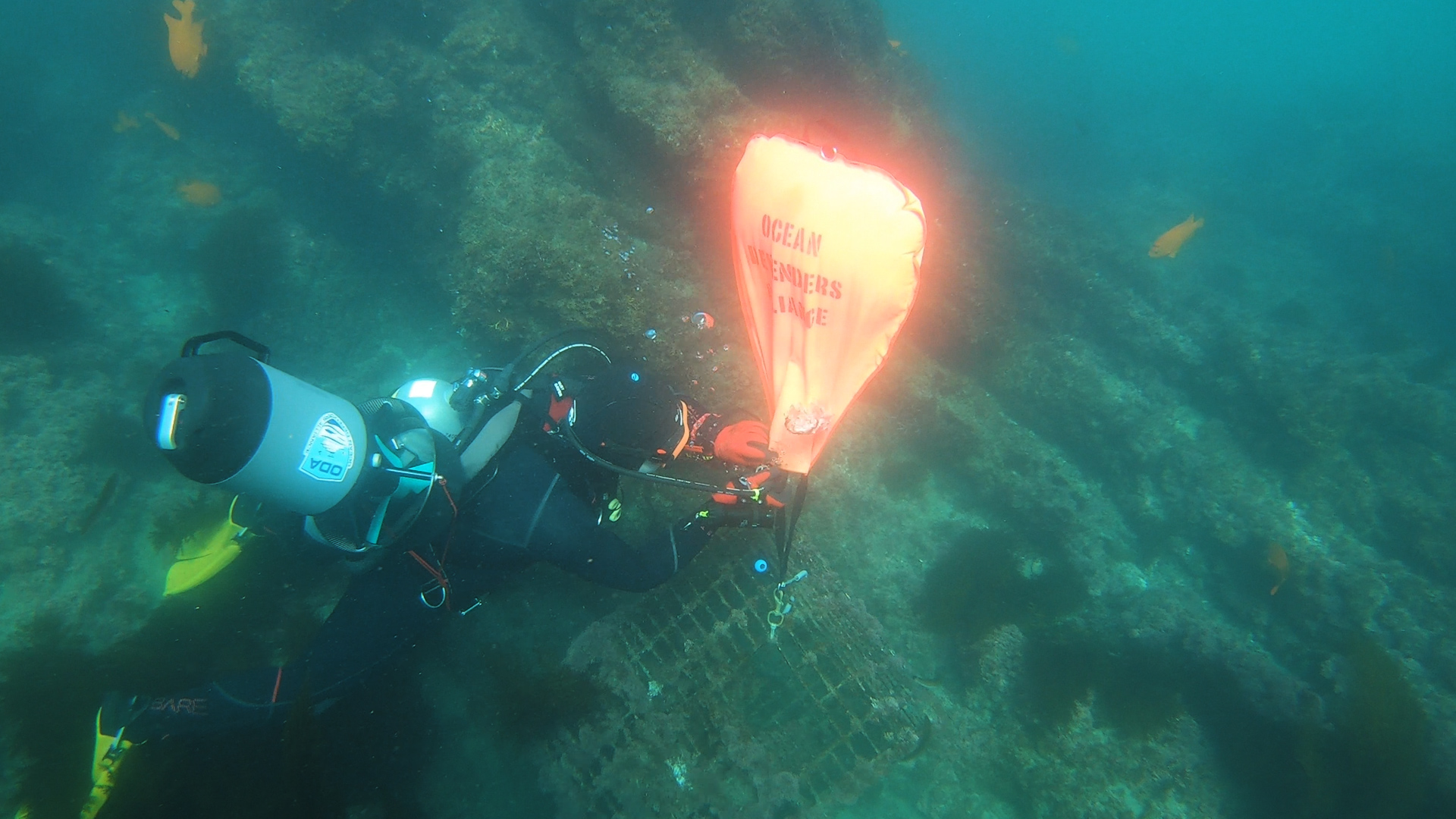
I shoudl mention, we've worked since 2000 to remove abandoned lobster traps:
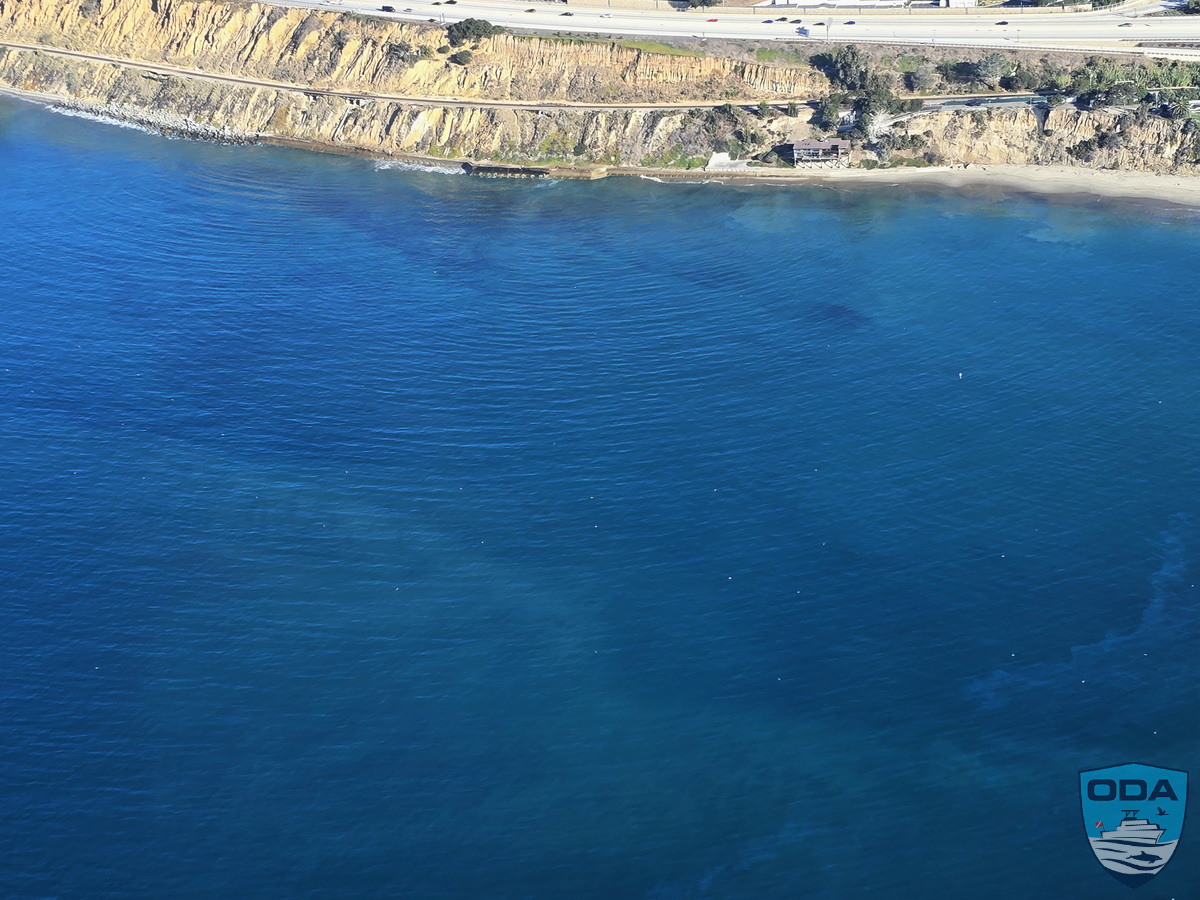
Dave’s plane is faster than most I’ve been up in and speeding along at 140mph it didn’t take us long to get to a city called Carpinteria. There’s an artificial island just off the coast that is used by the oil industry called Rincon Island. Due to all the rocks that surround the island, lobsters thrive there, and you can count on dozens of traps being there.
This is what it looks like from one thousand feet up. All those white dots you see are trap buoys.
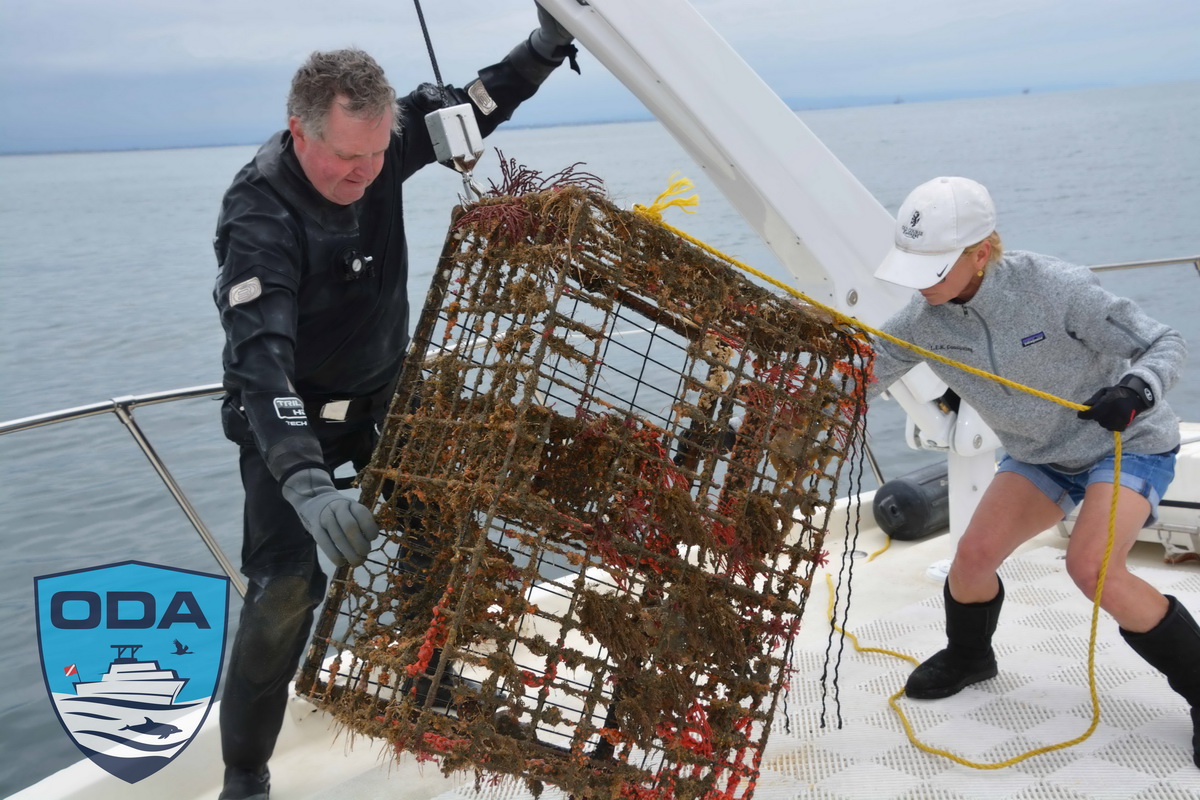
Here's what a trap looks like when we haul it onto the deck of our boat:
A few minutes later we were gliding by the Santa Barbara Harbor. There are dozens of lobster boats in the harbor, and annually there are thousands of traps being set all up and down the coast here.
Grateful for Help Preparing to Protect Ocean Wildlife
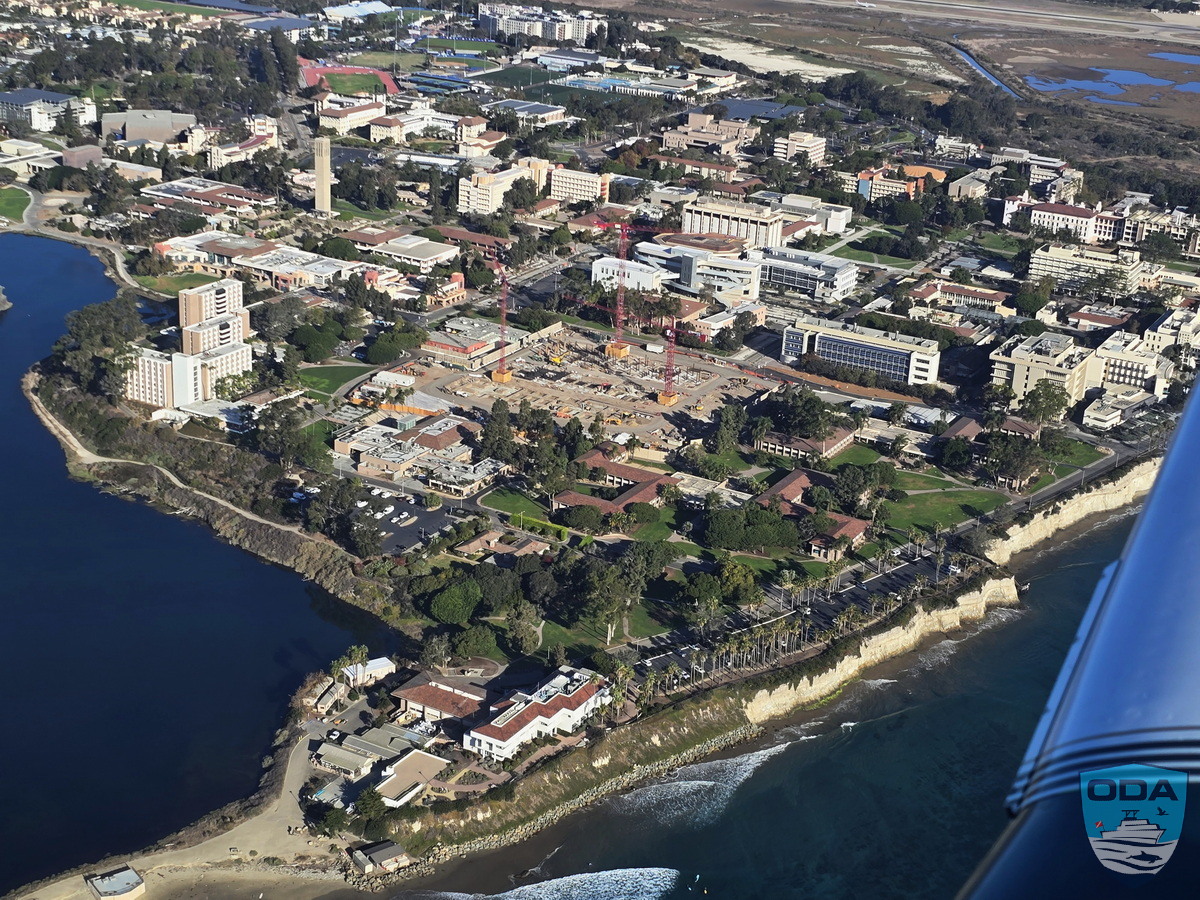
Keep in mind as you look at these pictures and video, I was not focused on getting good images of the clusters of buoys, I was solely focused on documenting the locations. Dave had a GoPro mounted on a wing, and that is what you see in the video.
Thank you Lighthawk for connecting me with a willing pilot. Also, I express my gratitude to Captain Dave for his time and skills as a pilot, for helping me get a better understanding of where we can focus our efforts come March when the lobster hunting season ends. At that time, we can begin to remove the ghost gear that gets left behind.
Do you live in Southern California and would like to help out? Just like the gal you see above hauling in the trap onto the deck, we need volunteers willing to be a deckhand on the boat. Let us know if you're interested!