By Founder and President Kurt Lieber
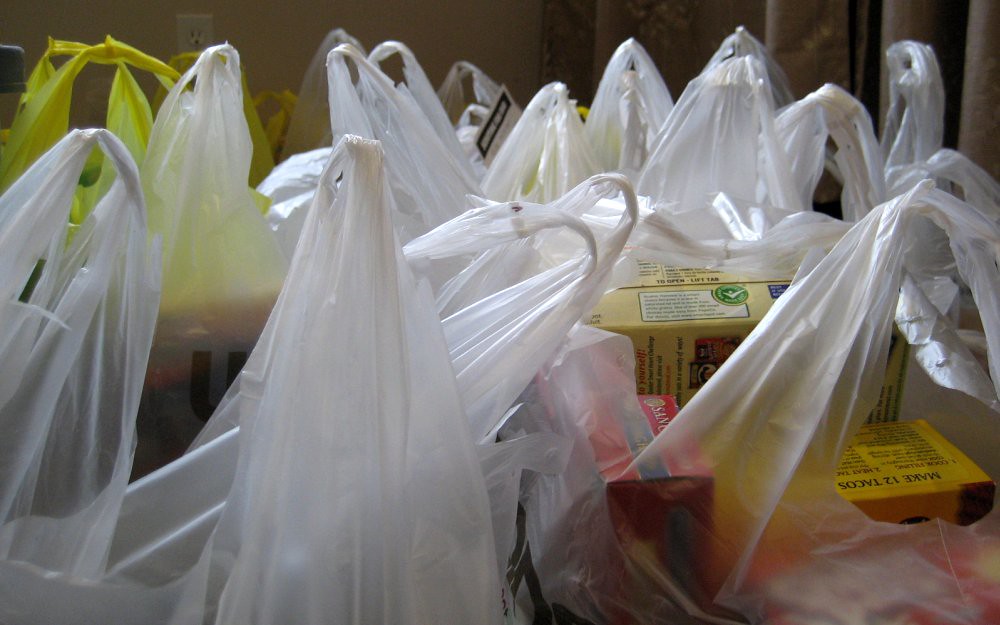
California’s wildlife and waters just entered a new phase. No more plastic bags will be handed out willy nilly at the store! The state banned plastic bags starting January 1st, 2026.
Yeah, you read that right: 2026. That’s now!
The state had put a ban on “thin film” plastic bags in 2014, but with the provision that stores could still use thicker plastic bags. The theory was that people would reuse the thicker bags and reduce the amount of bags getting into the environment.
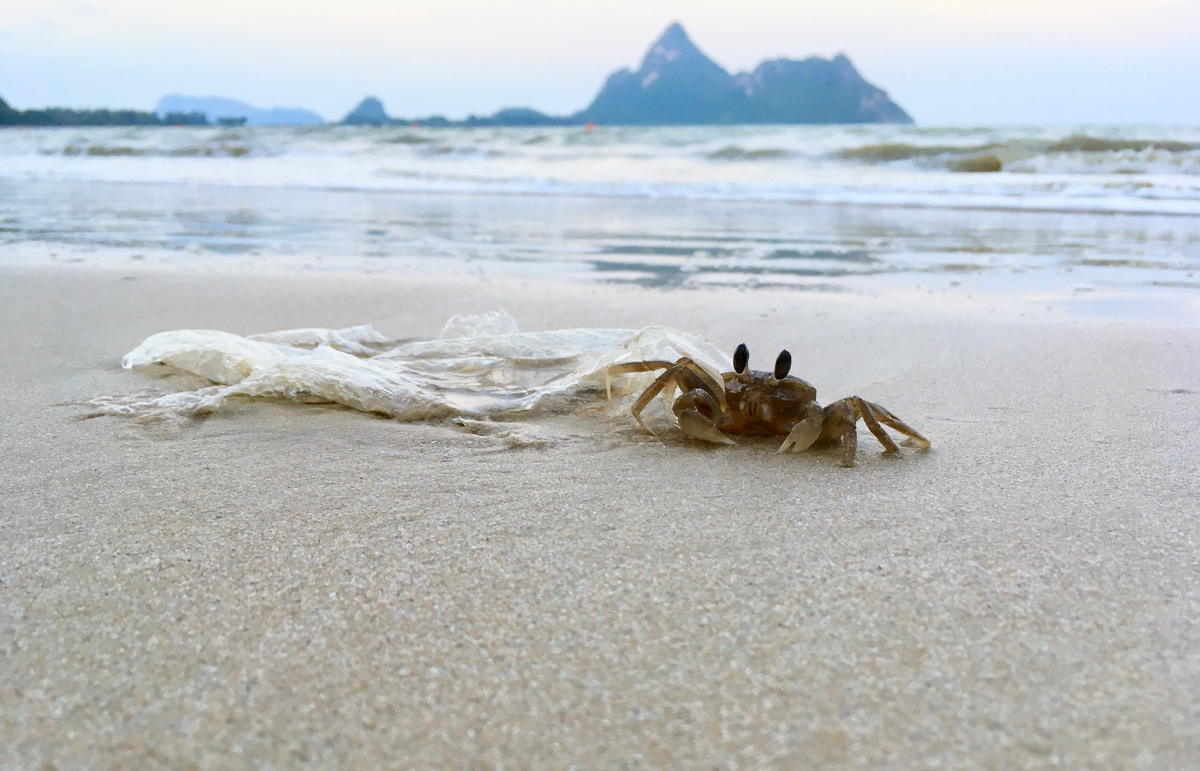
That premise proved to be a false hope. People did not reuse them, discarding them after a single use, and the bags still kept piling up in our waterways, roadsides, sewer systems, and landfills.
So, as of this year, we can expect to see a sharp reduction in this type of pollution.
To give you an example of how effective a ban like this can be, take a look back at the proposal to reduce plastic straw use that was enacted that same year: 2014. While it wasn’t a total ban on their use, restaurants and food service providers were not allowed to give customers a straw unless the person specifically asked for one.
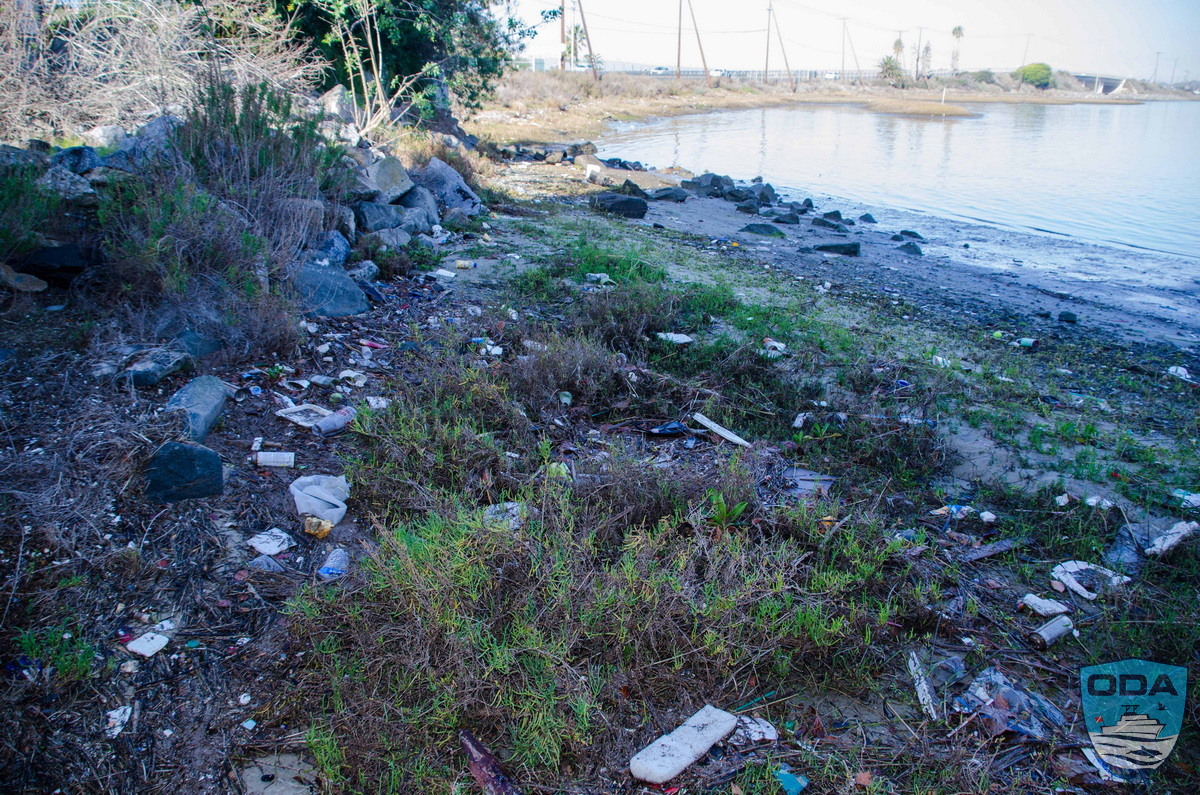
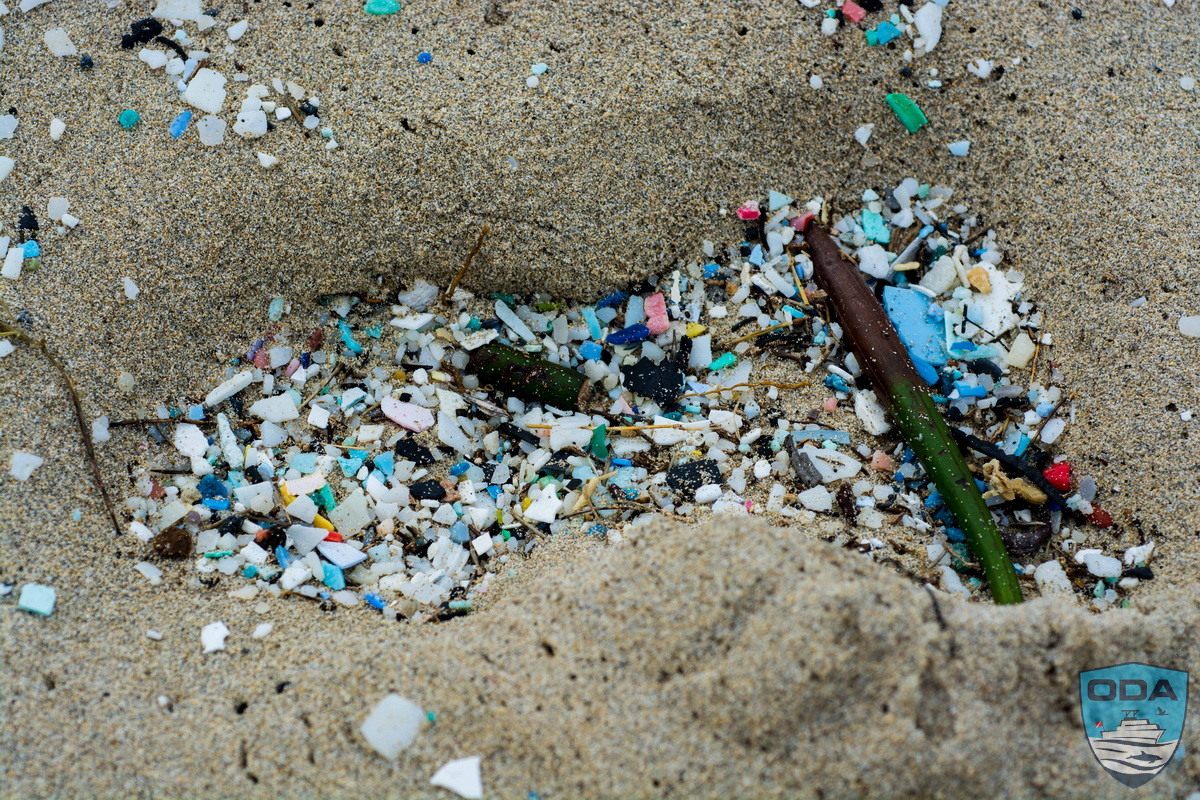
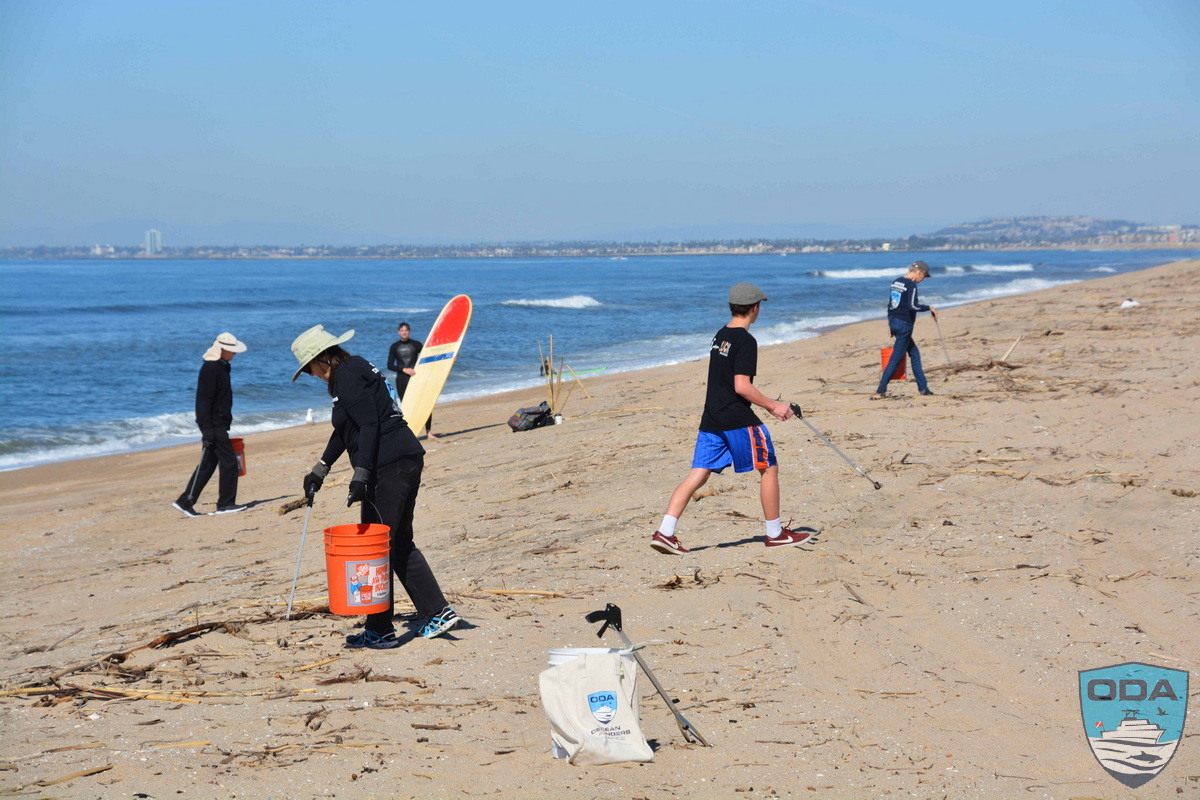
ODA has been doing beach, harbor, river channel and estuary cleanups since 2012. Over that time span we’ve witnessed the wide array of different forms of plastics that make their way into the natural world.
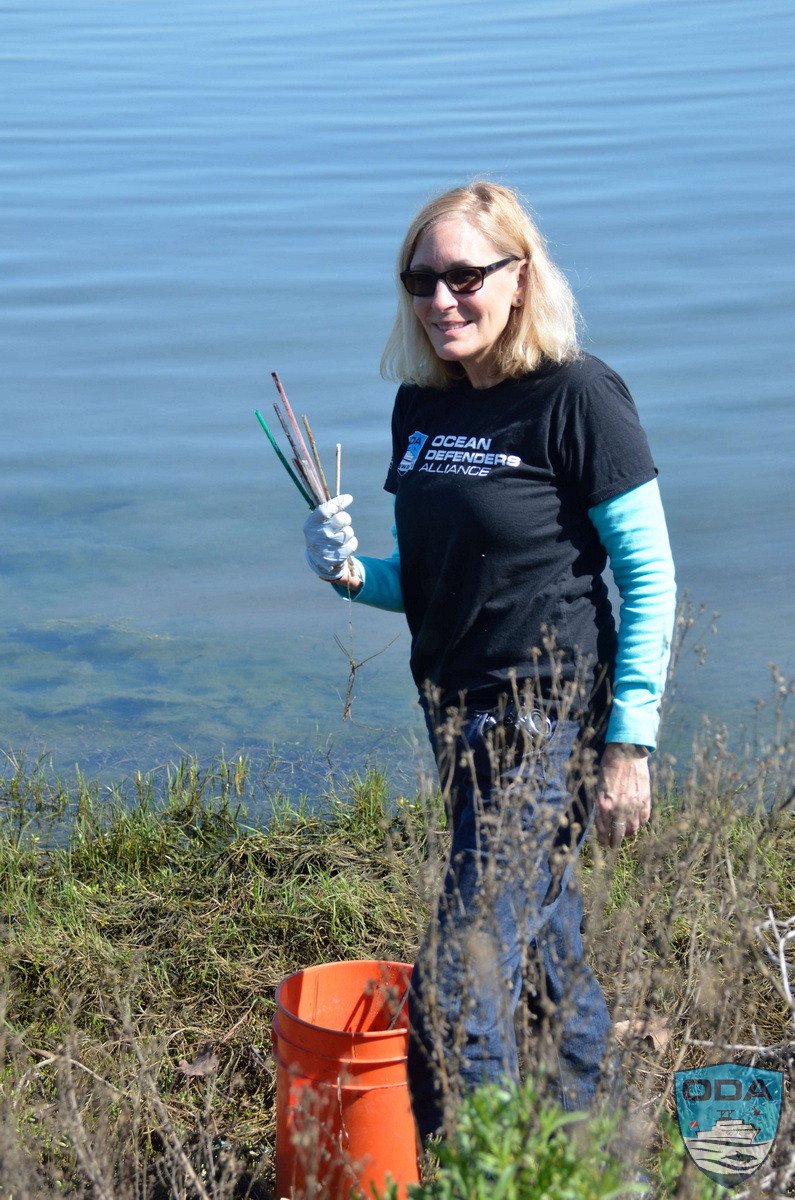 One of the items that we kept finding were plastic straws. By now we’ve all seen those horrible images of a sea turtle with a straw stuck up its nose.
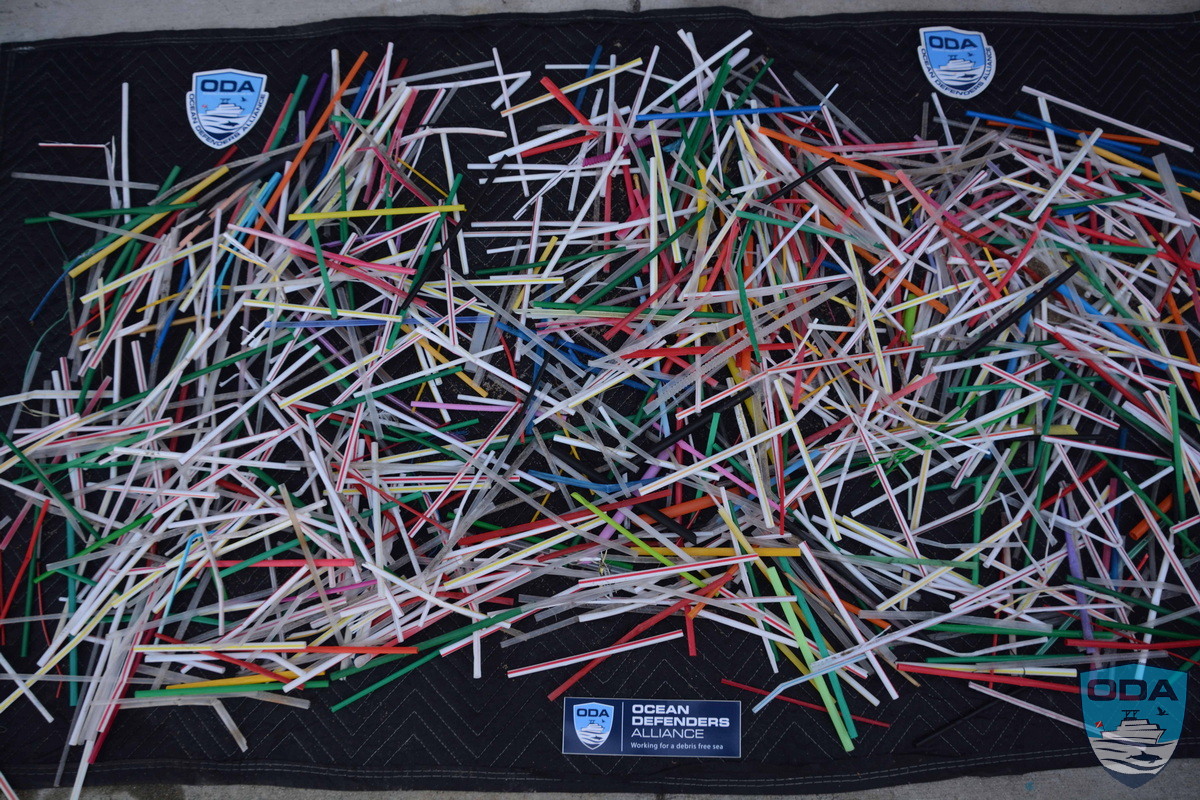
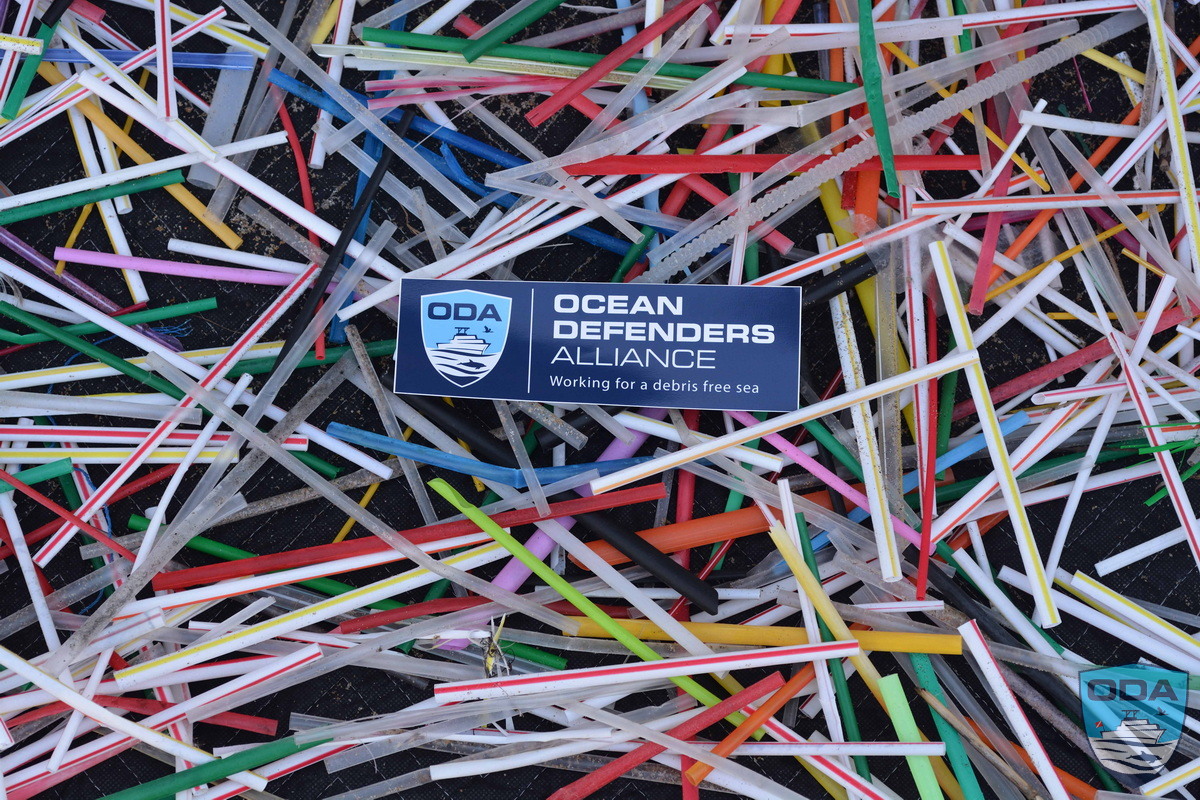
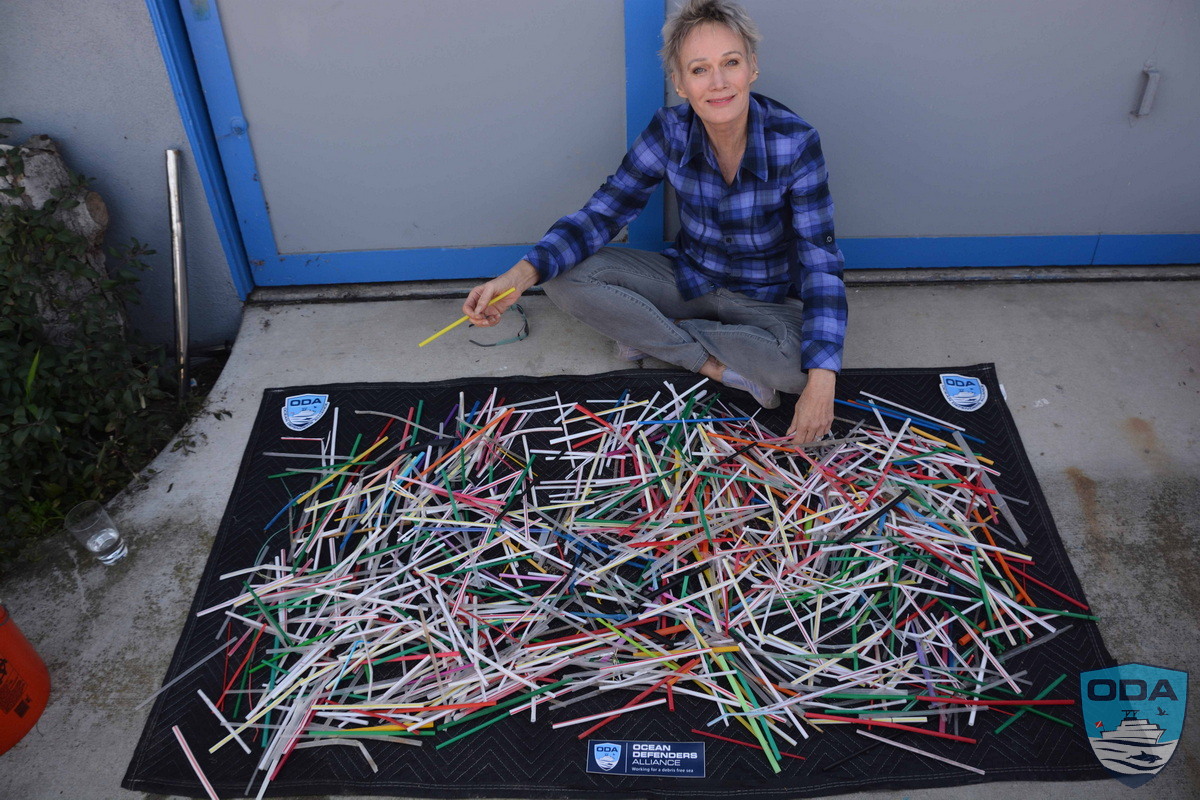
On one of our beach cleanups we did in Huntington Beach State Park, in 2019, we decided to put all the straws we found in a pile. Here is what we collected in about 3 hours…
This picture is not an anomaly. On all subsequent cleanups we did, we’d find similar amounts of them. So,.
After that law went into effect, to try and reduce the number of straws that were being handed out, within a few years we were witnessing a sharp reduction in the quantity of straws that we’d find to the point that we’d find something like a couple of dozen, not the thousands like before.
Enacting laws helps
As much as some people resist being told what they can and cannot do by the government, if we want to STOP the proliferation of plastics out there, we need sensible regulations in place.
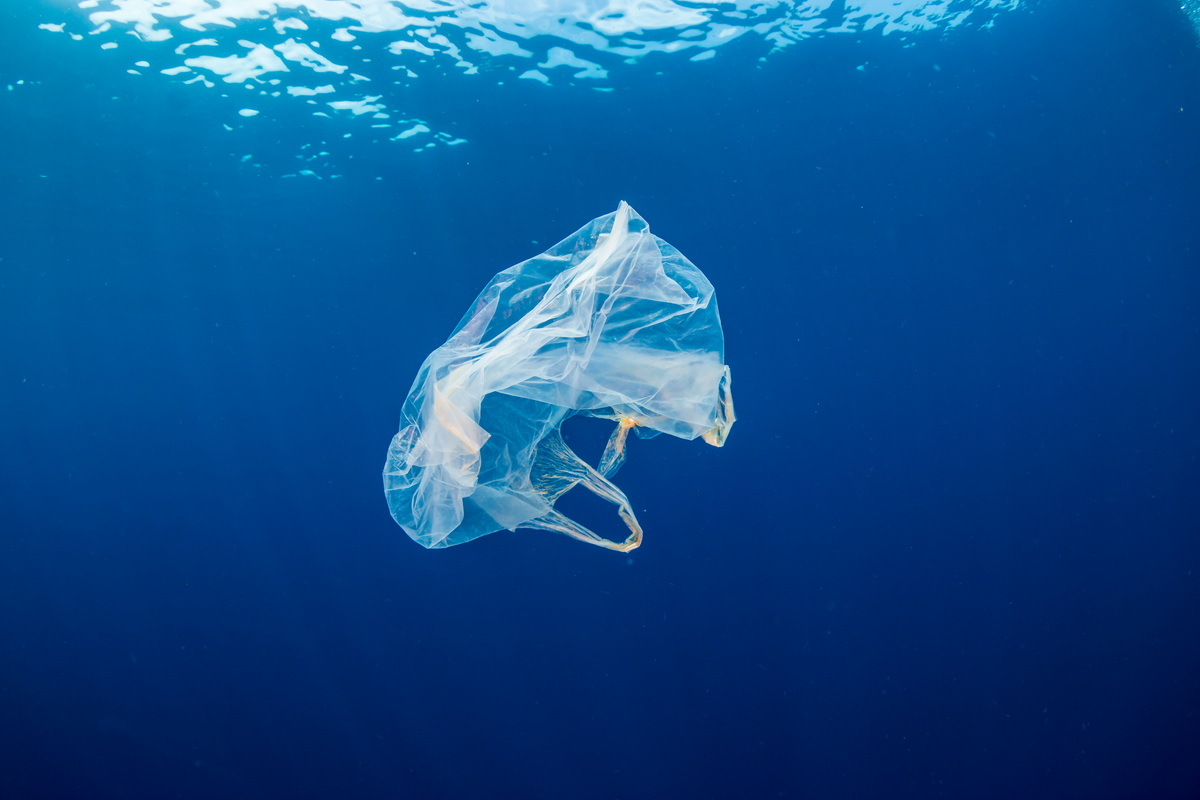
The plastics industry wants to keep producing these throw away items because that’s how they make money. They get rewarded monetarily for the goods they produce, but they pay nothing for the damage and deaths those products cause.
They have a vast pool of creative people in their marketing departments that will spit out utter nonsense as to why we need these things to live! As if the human race wouldn’t survive if we had to use our mouths and lips to drink! And we do have a good alternative in glass or stainless steel reusable straws.
I’m not opposed to companies making money when they give us products that last, are well built, with materials that can actually be recycled. Keep in mind, less than 9% of the plastics in this country get recycled. This throwaway mentality has got to stop.
Plastic straws are a prime example of how government regulations can reduce the negative impacts that our disposable, consumerist society inflicts on what’s left of our natural world.
A study was published last year that looked at why so many plastic bags were being found in the stomachs of sperm whales. They compared the acoustic signal that these whales use to locate squid, their favorite prey, with that of a bag. Turns out that signal is almost identical to that of a plastic bag.
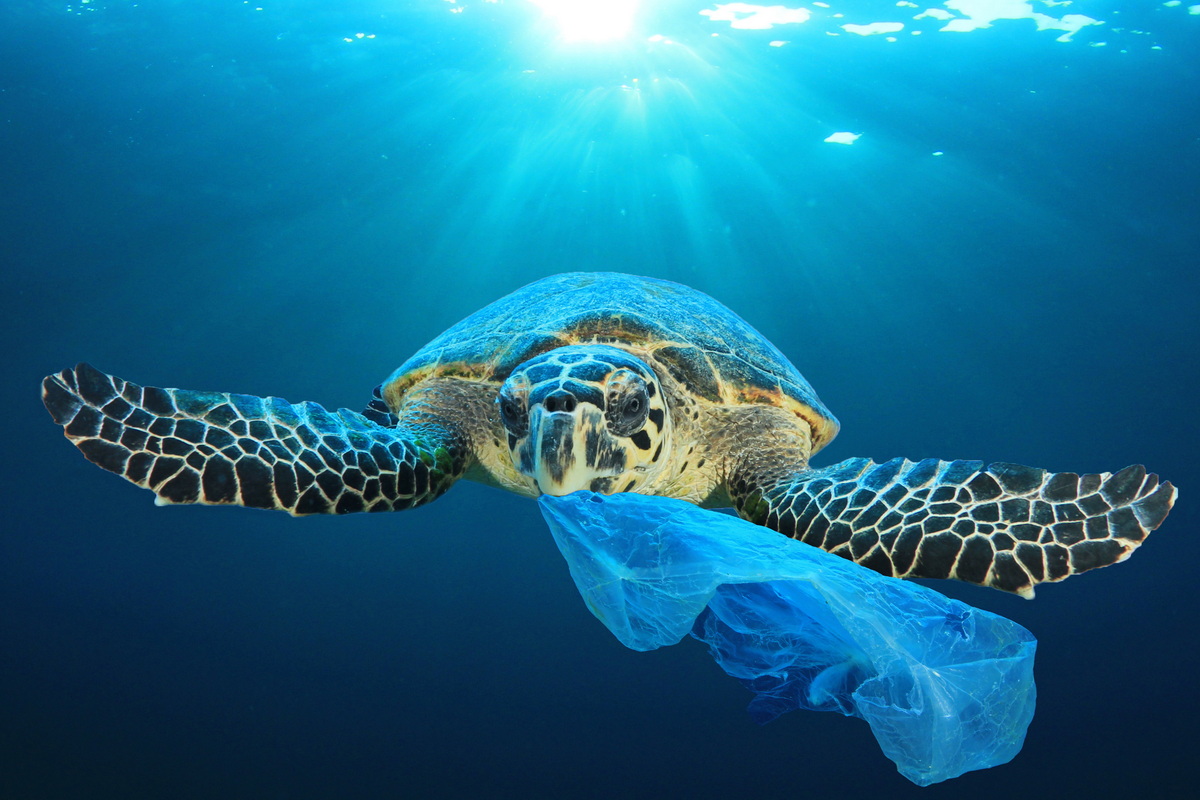
In November, a pygmy sperm whale was found dead, washed up on the shore. The necropsy revealed one single bag in its stomach, which cut off the ability to digest food. It died a slow death of starvation…
That is just one of many examples of the damage we are inflicting on these creatures with whom we share the planet.
Next up in this new year: fewer plastic bags in our oceans that could slowly starve whales, turtles, and dolphins to death because they inadvertently swallowed a bag. We can, and must, do better!
You can help be part of the cleanup crew by supporting ODA with your donation today - thank you!
Help Keep Plastics Out of the Ocean!