By Founder and President Kurt Lieber
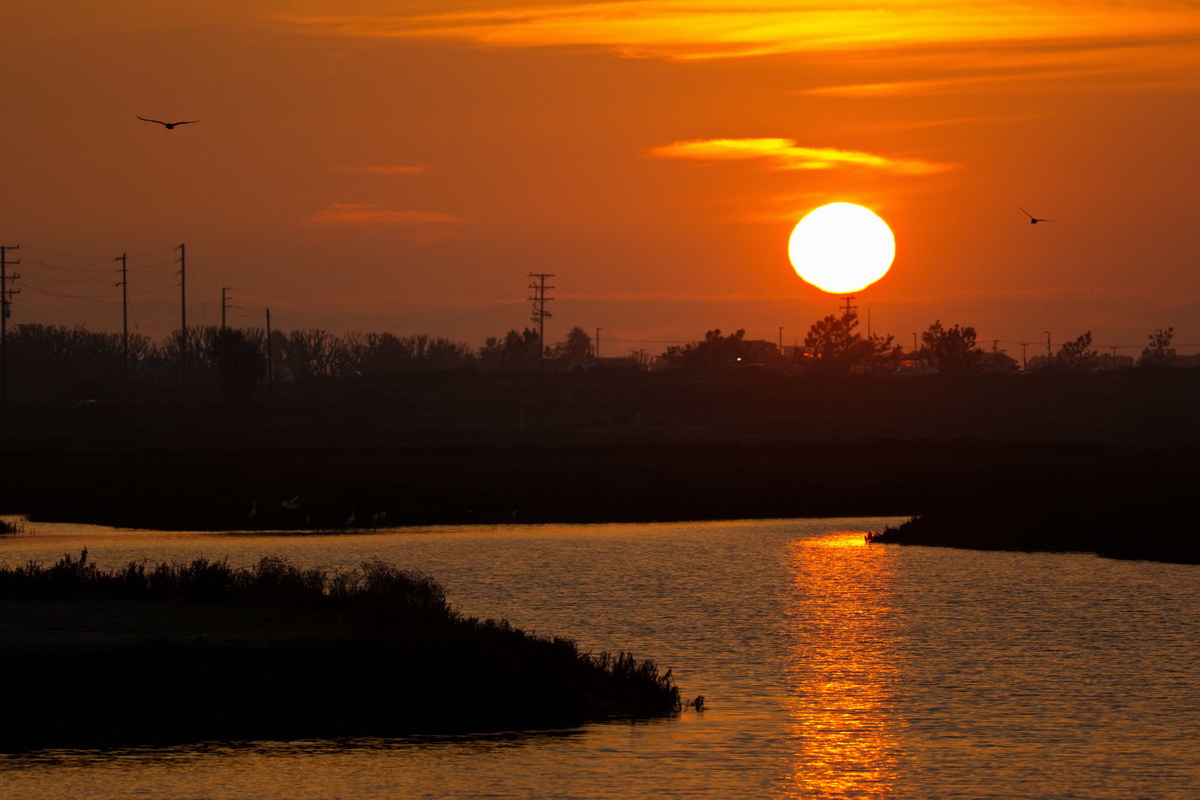
Seal Beach National Wildlife Refuge is located in a unique position. Its 1,900 acres of wetlands are situated inside the Seal Beach Naval Weapons Station which makes public access extremely difficult due to the security concerns of the base. All ODA volunteers have to obtain a base pass to get onto the property.
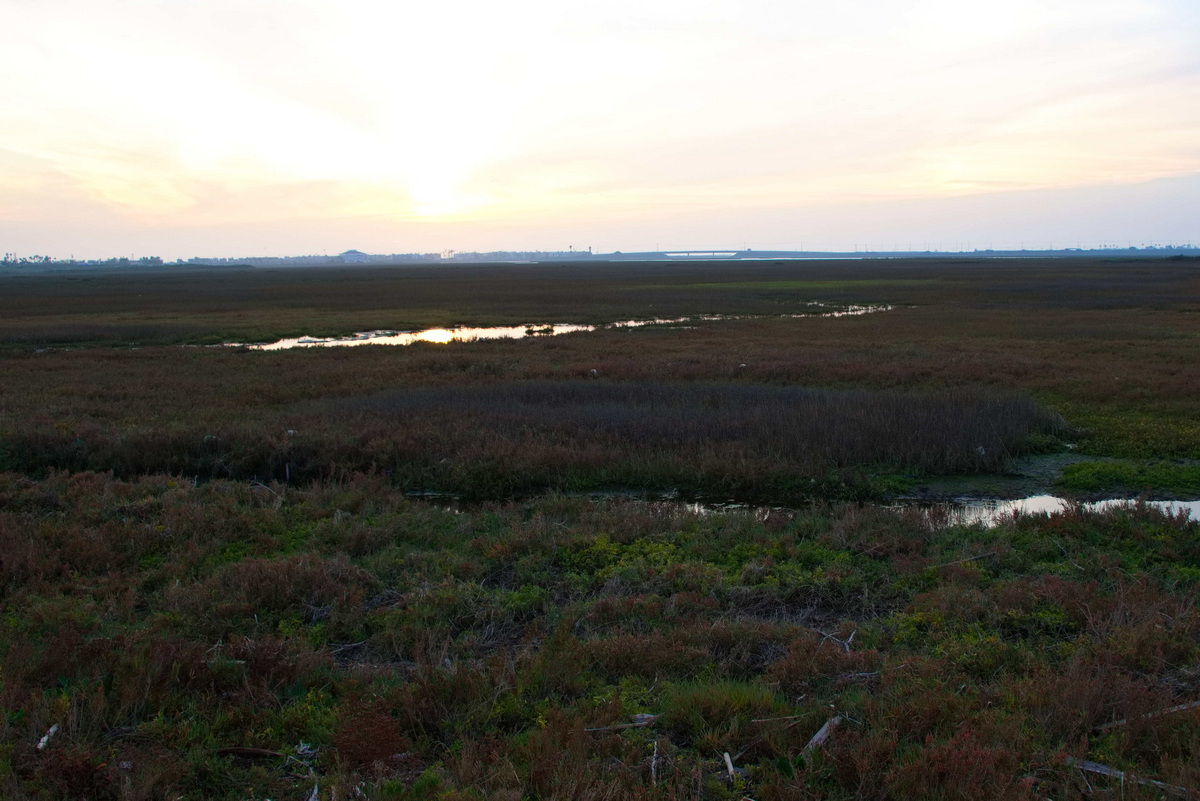
But that doesn’t stop wildlife from calling it home, even if a lot of them fly or swim in and out on a daily basis. This place is a stopover for many species of birds that use the place to rest and refuel on their migration route.
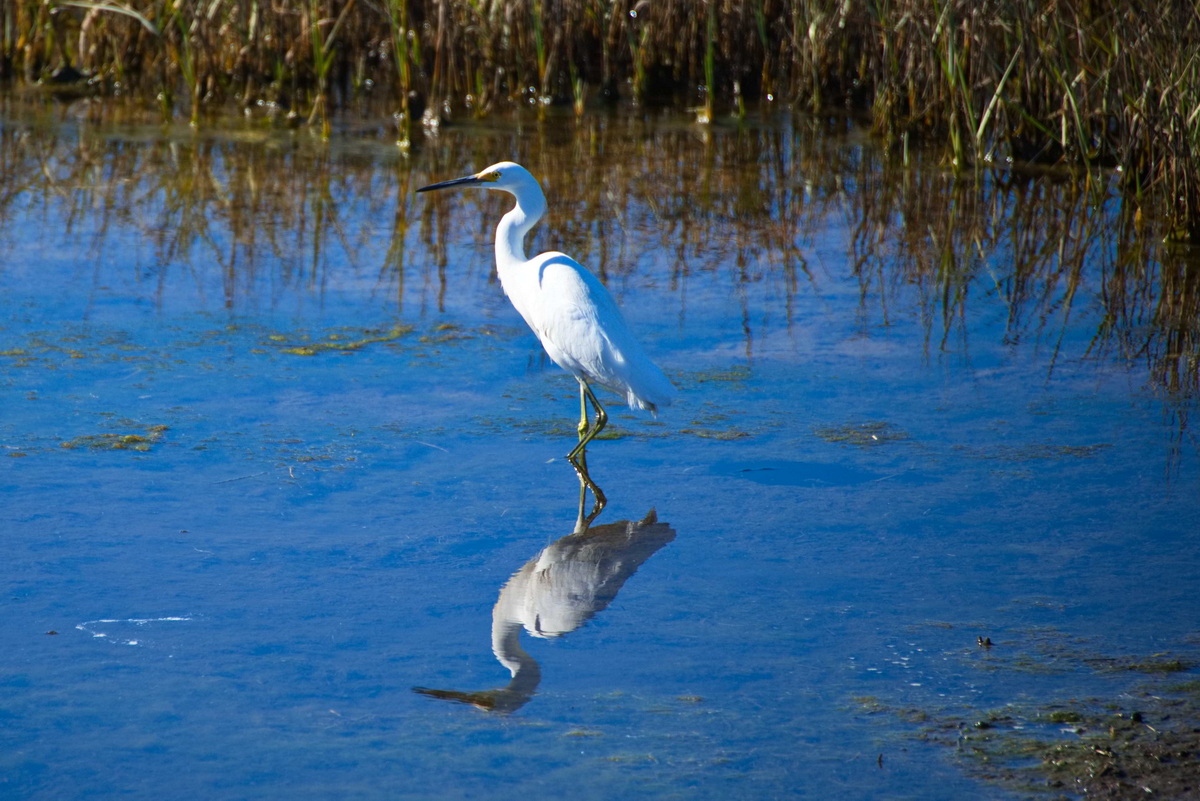
The water in these wetlands is fed by all the runoff from the vast Los Angeles basin. This includes all land, roads, parking lots, and culverts that funnel rainwater into concrete channels flowing into Huntington Harbor, with the SBNWR lying between the harbor and the open ocean.
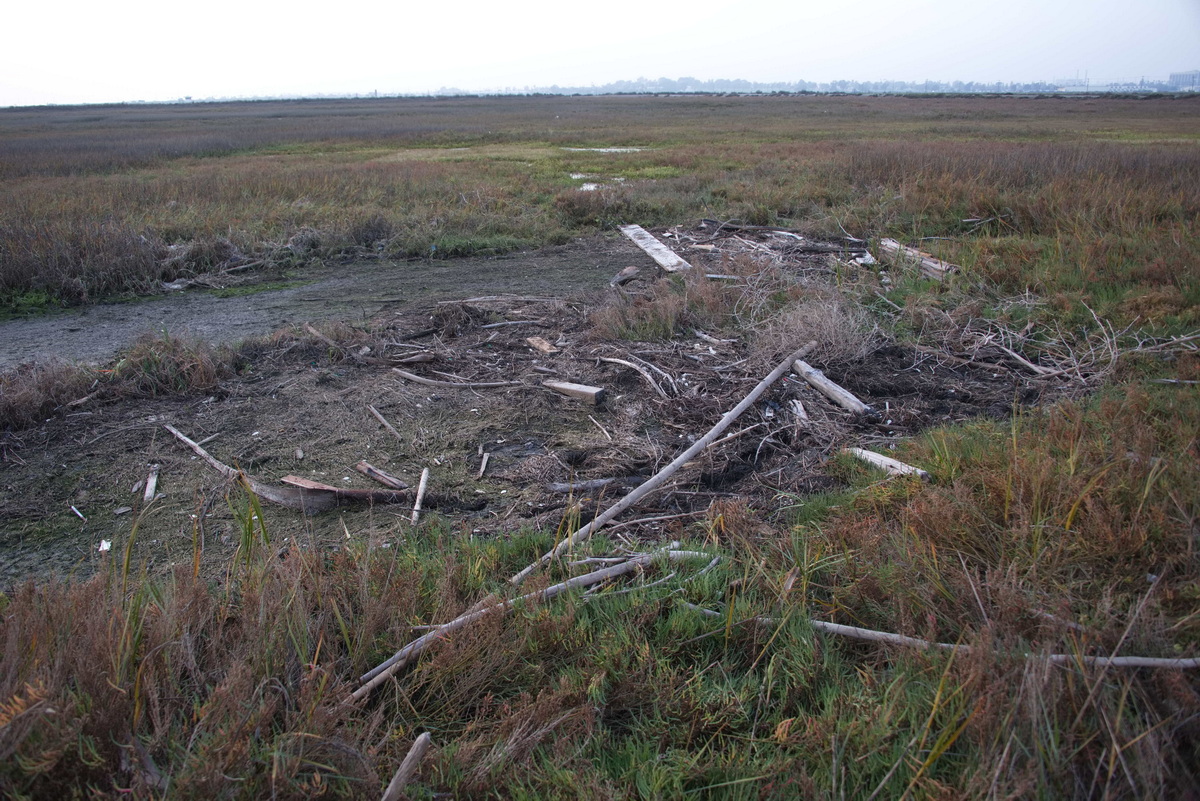
This means that all the man-made debris gets transported through the wetlands via said water.
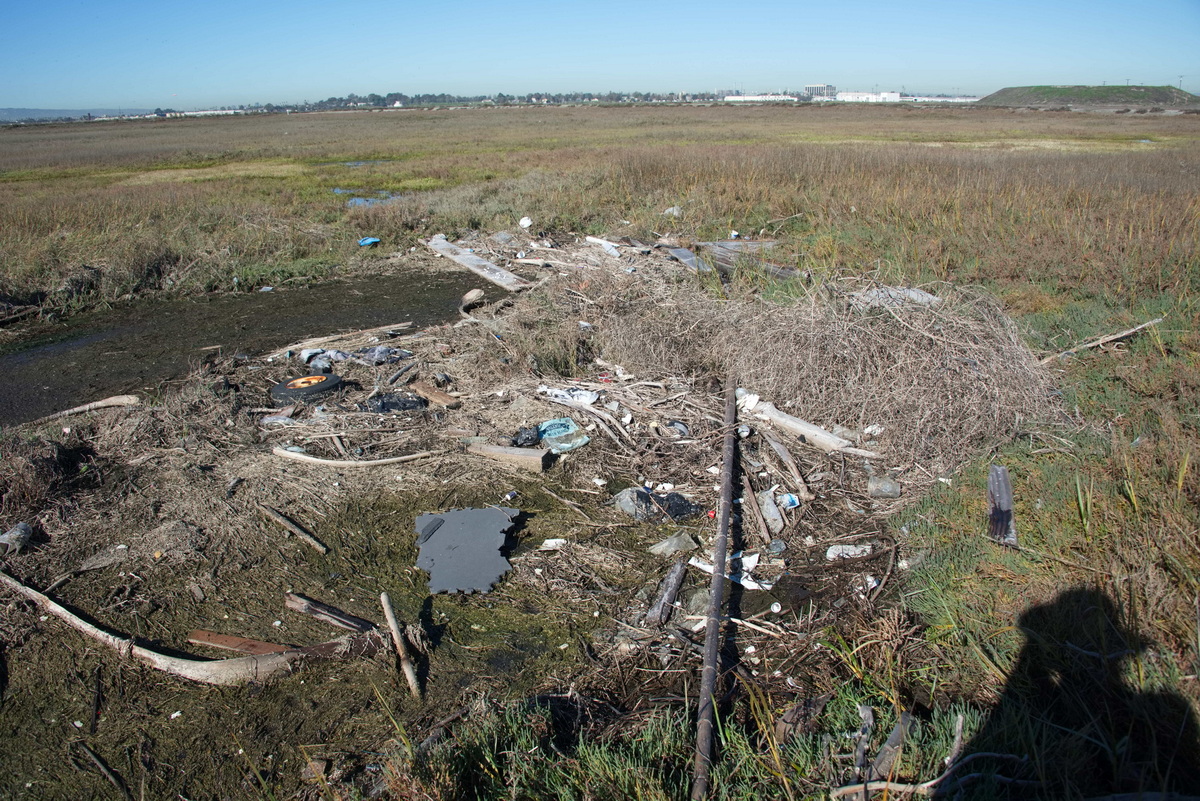
The wetlands hold a vast expanse of a variety of sea grasses, which become a kind of filter for all the (mostly) plastics that our society so recklessly discards. The birds and fish are left to figure out on their own how to avoid eating all that toxic stuff.
Knowing how critical it is to get this plastic out of the water before it gets to the open ocean, ODA has committed to cleaning up this area once a month.
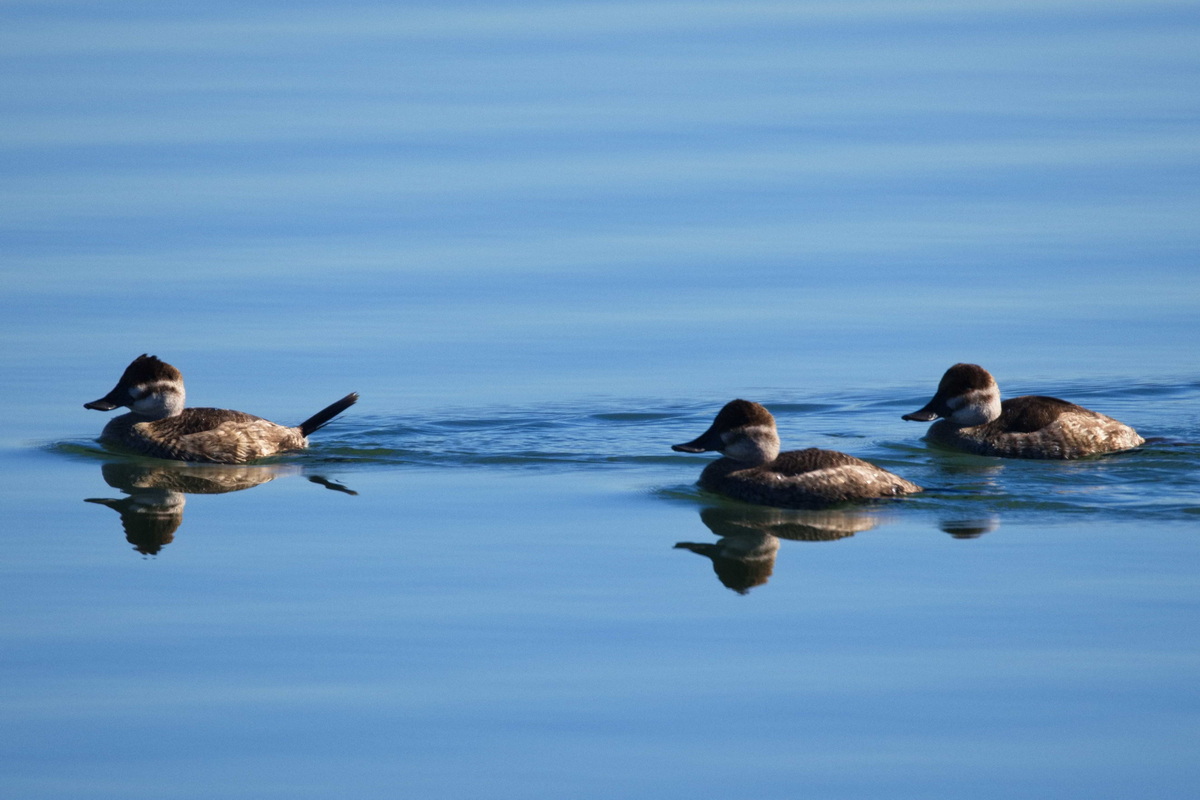
Due to the difficulty of getting a base pass, we usually only have a handful of people to attend these cleanups.
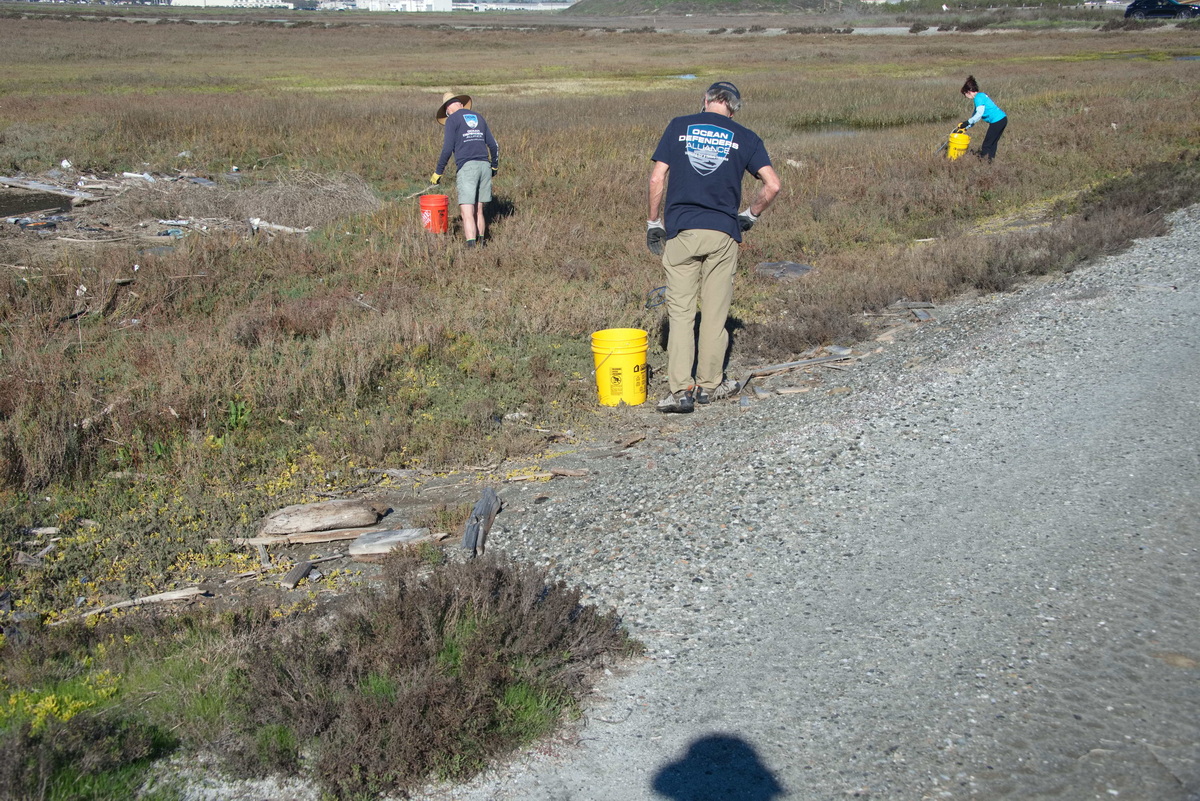
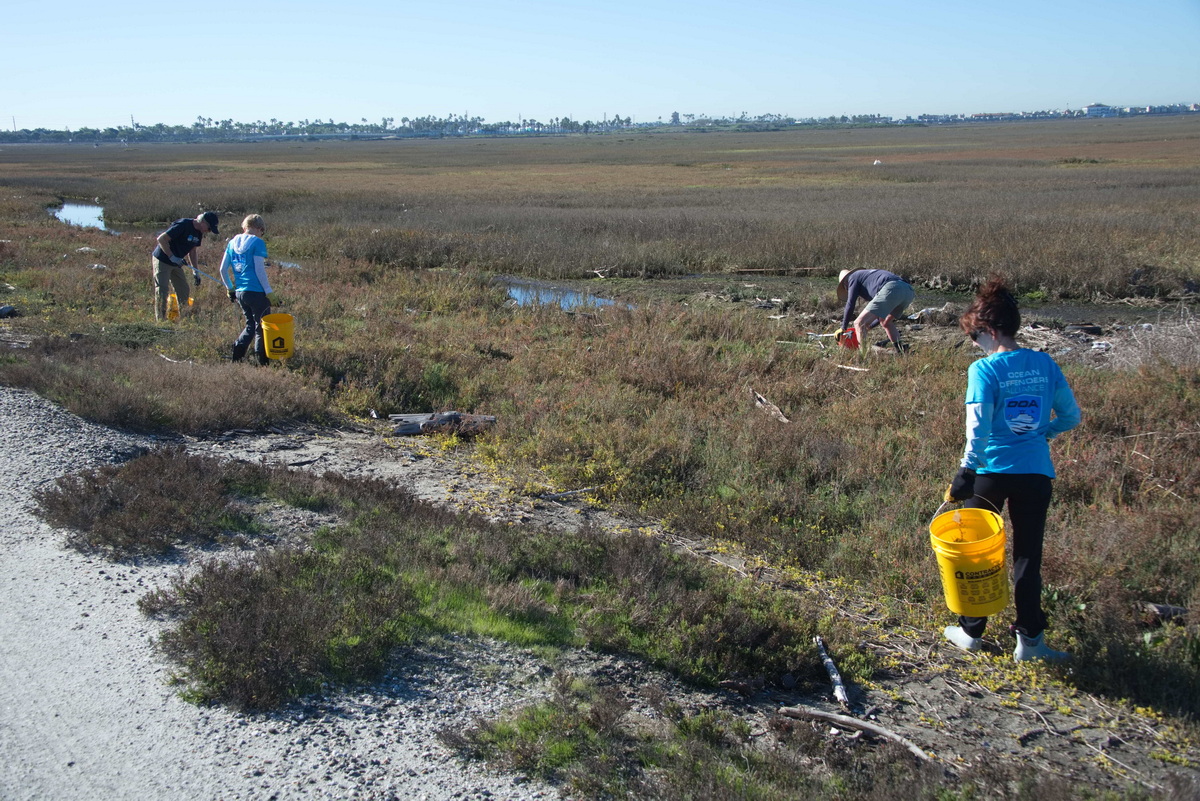
This particular day was our last chance for 2025, we had 6 people meet on Wednesday, December 10th.
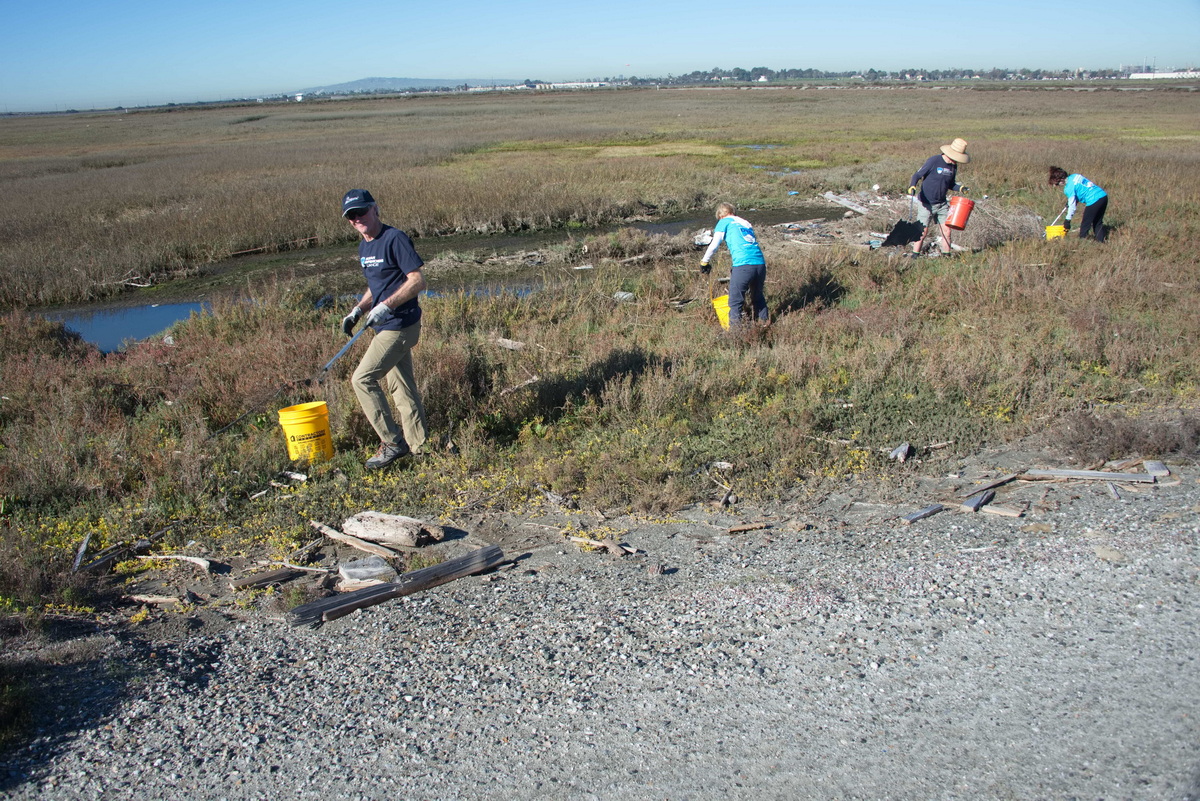
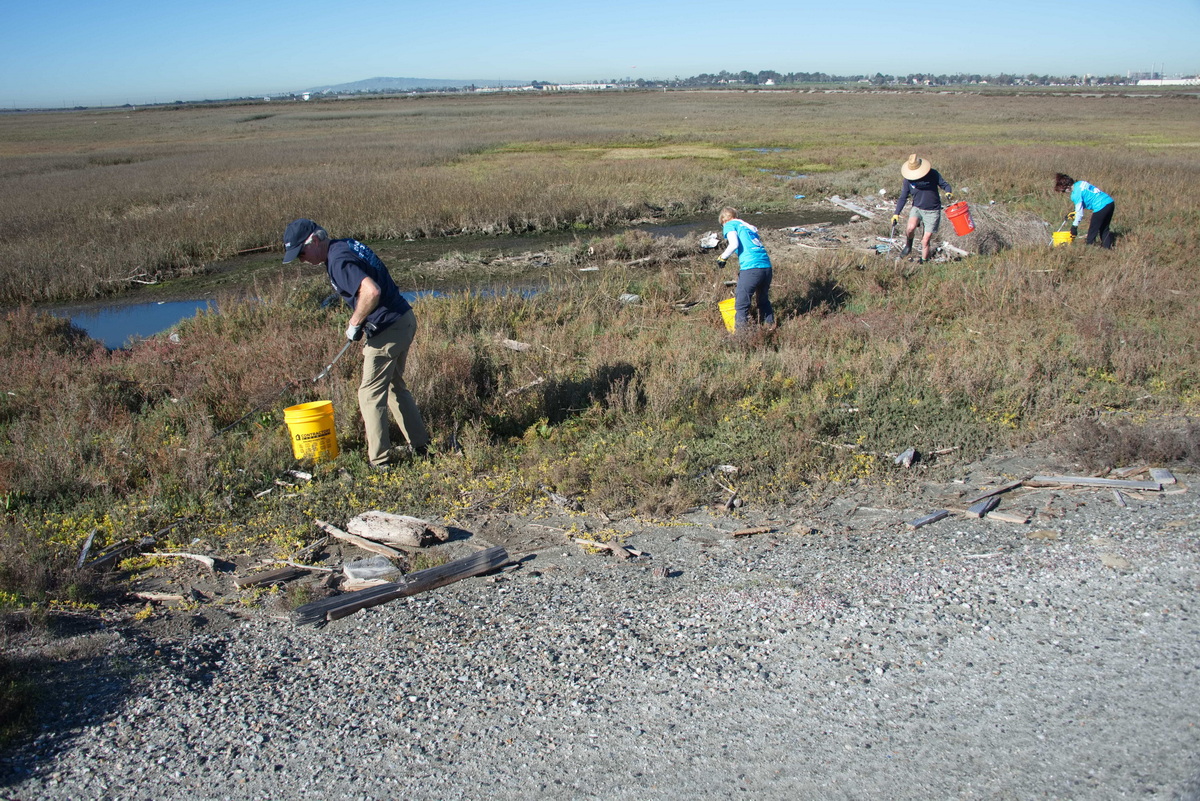
Reliable volunteers Dave and Jean Merrill, Kent Morris, Blake Storie, and Lisa Taylor showed up. We spent 3 hoursgetting wet and dirty, and doing our best to get as much out of the water and grasses as possible. Lisa even ventured knee deep in the water to remove a large plastic container. She was determined!
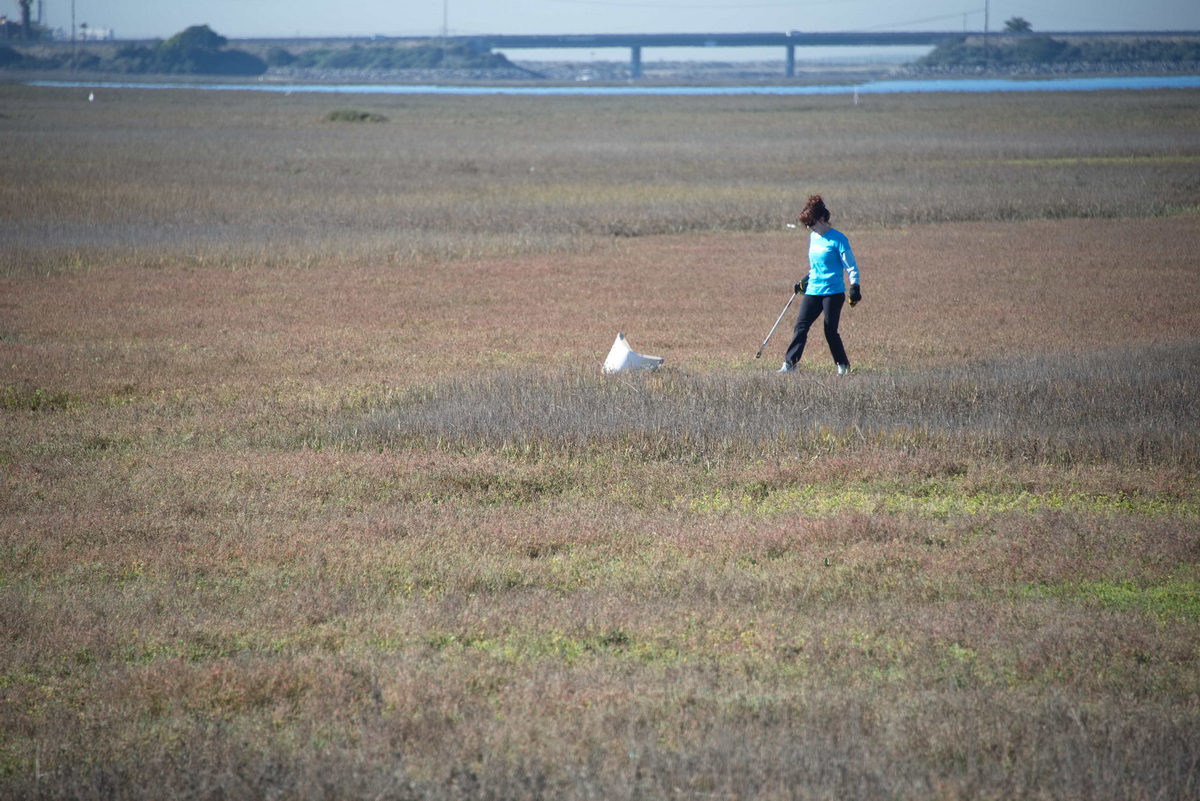
We did really well and removed 420 pounds of the hazardous material. We worked around an edge of the water where the winds drive the debris and covered about 200 yards in length.
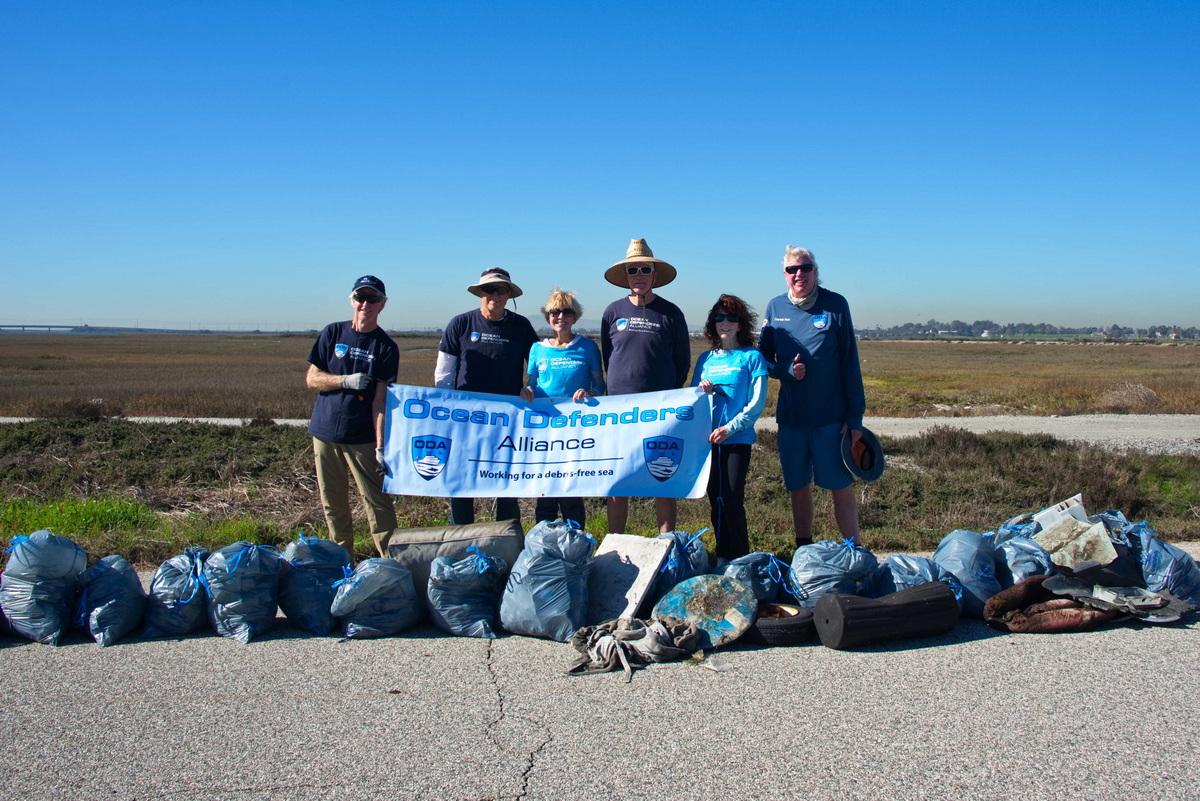
It felt great to know what we accomplished, but we left another 300 yards behind, and that is just along this one stretch of water. There are many more within the Refuge. With the recent heavy rains, there will no doubt be tons more stuff in there.
We plan to remove TONS of rubbish from this sensitive area in 2026. You can count on it!
If you live in Southern California and can commit an occasional Wednesday morning to help make the wetlands safer for wildlife, please email us!