By Founder and President Kurt Lieber
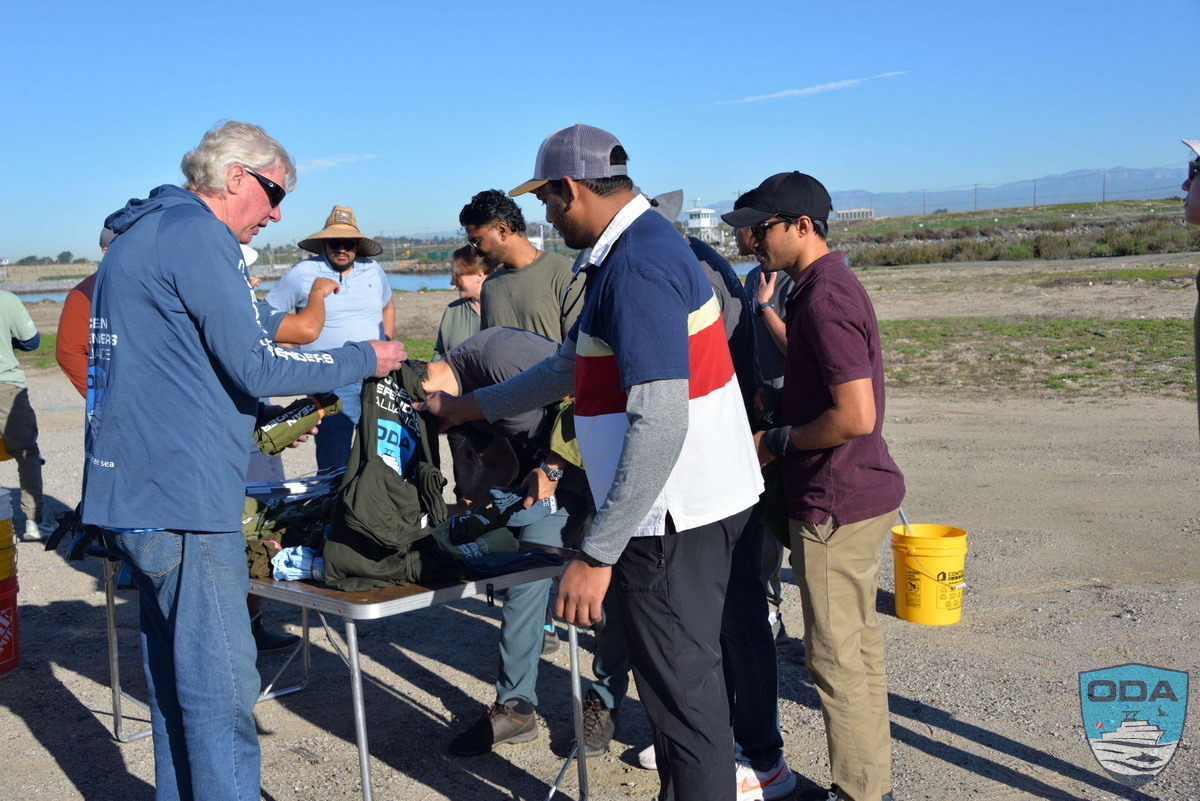
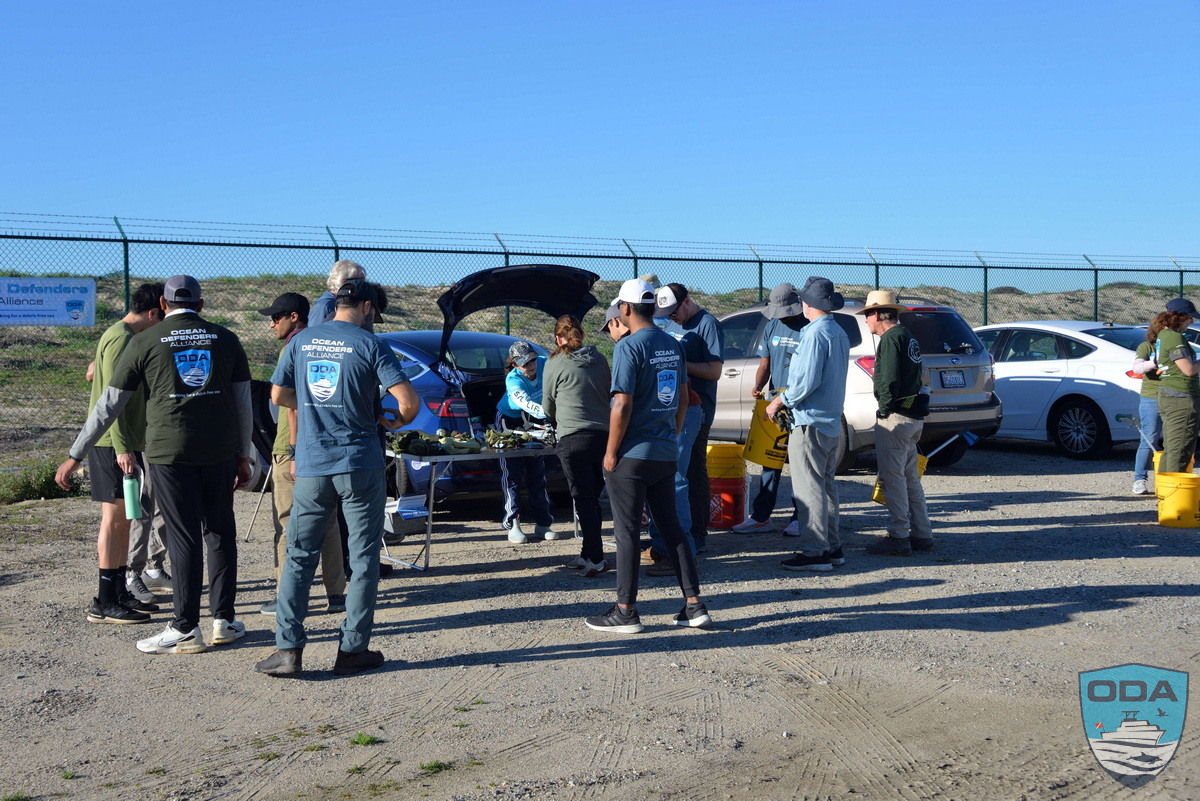
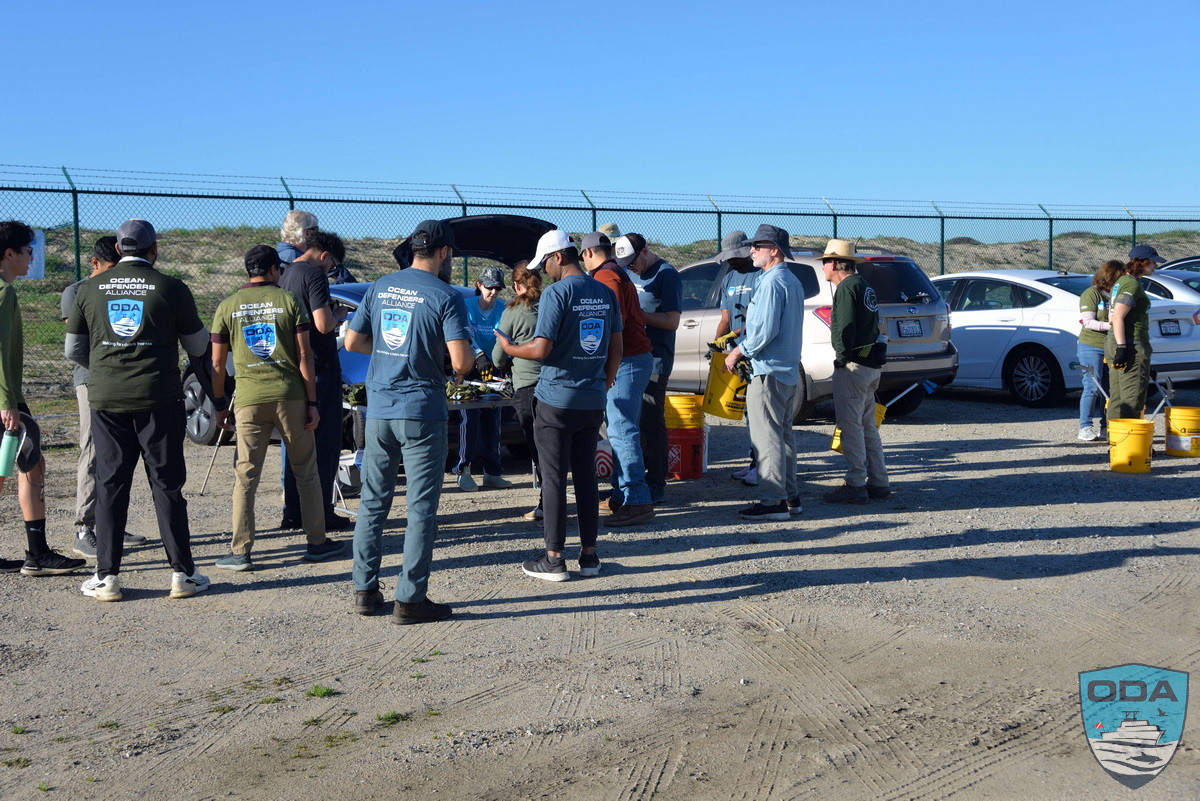
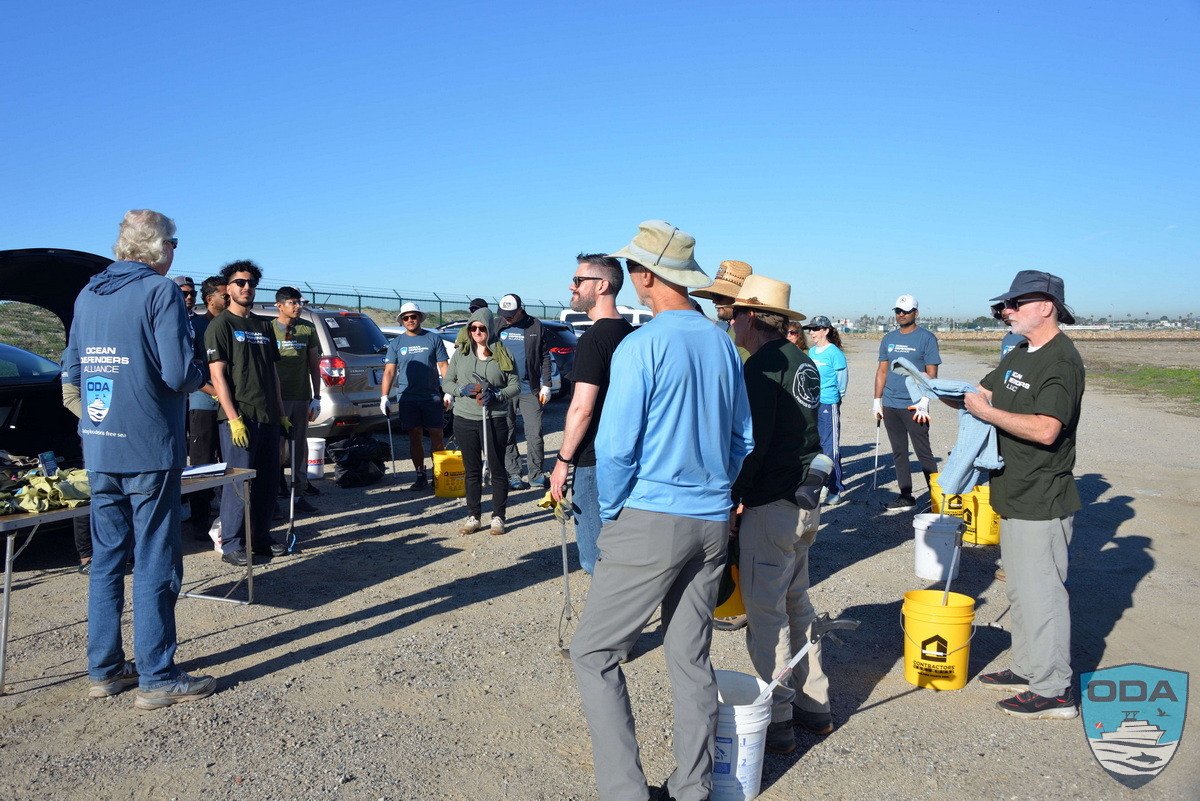
We had a spectacular number of concerned ocean cleanup volunteers turnout for our mid-week cleanup in Huntington Beach on January 14, 2026. Thirty-six to be exact!
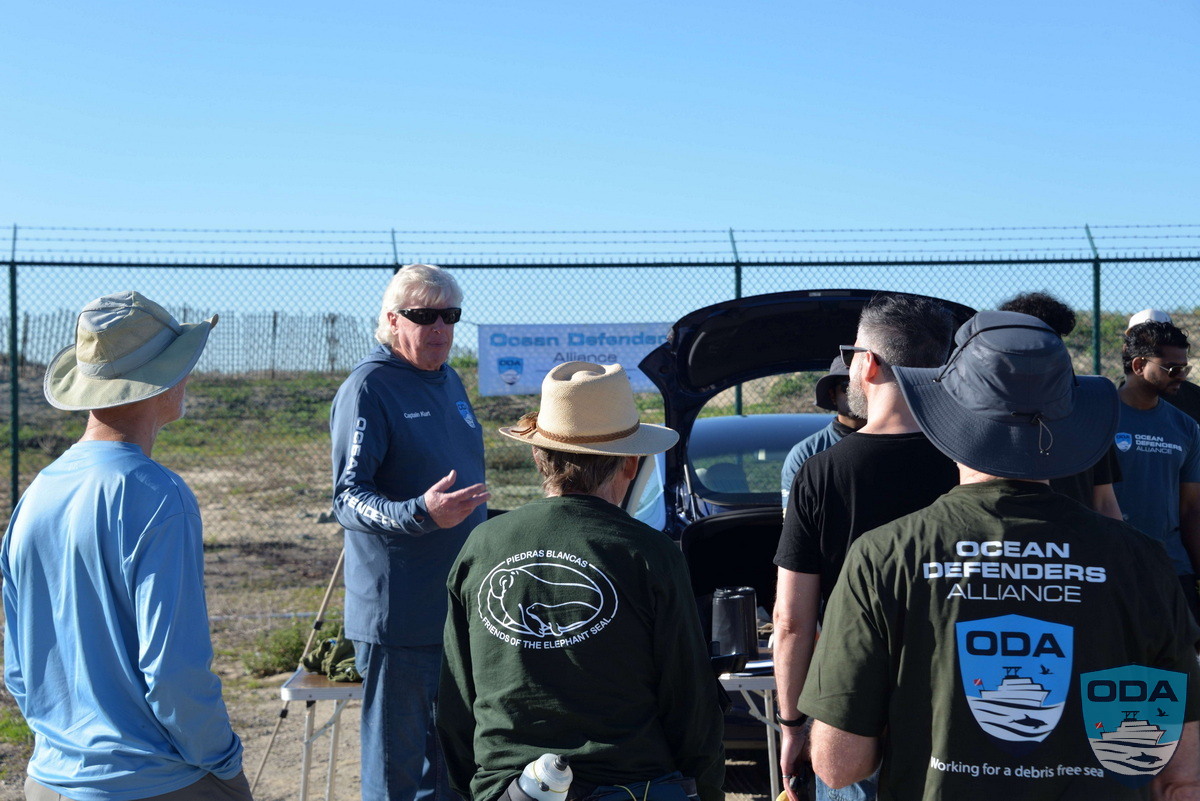
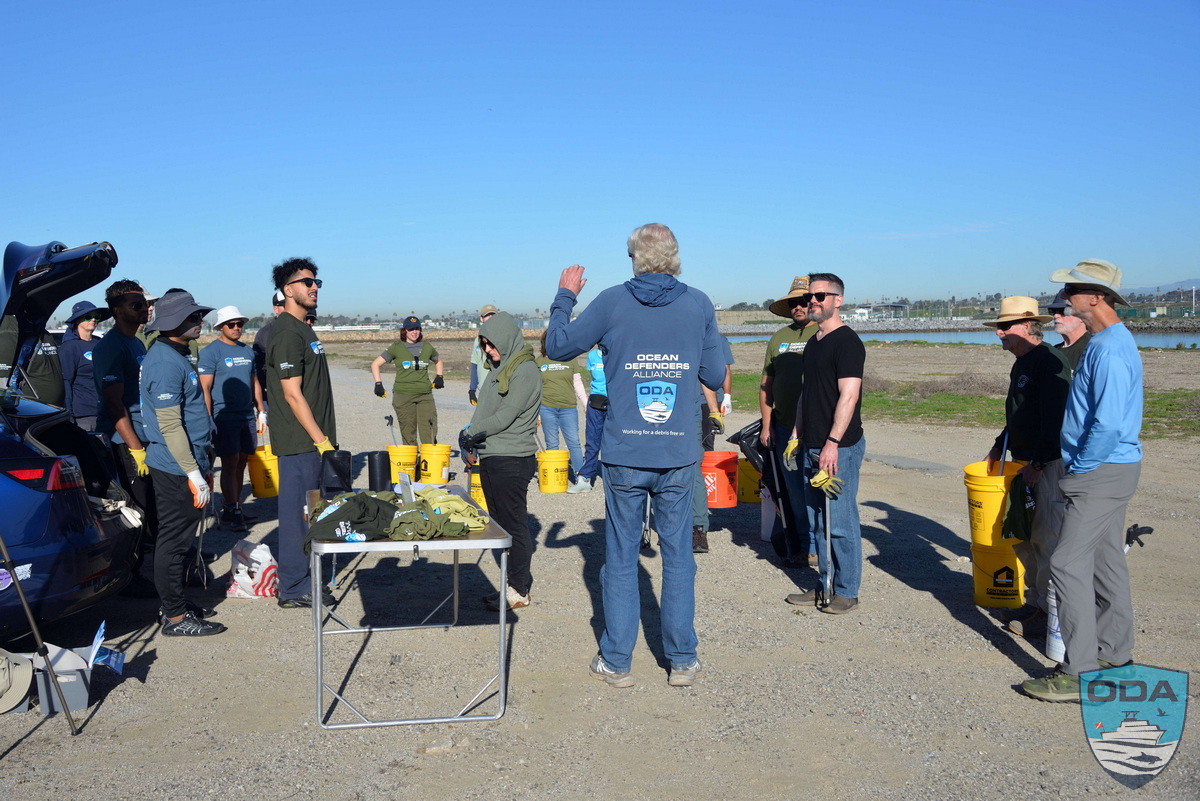
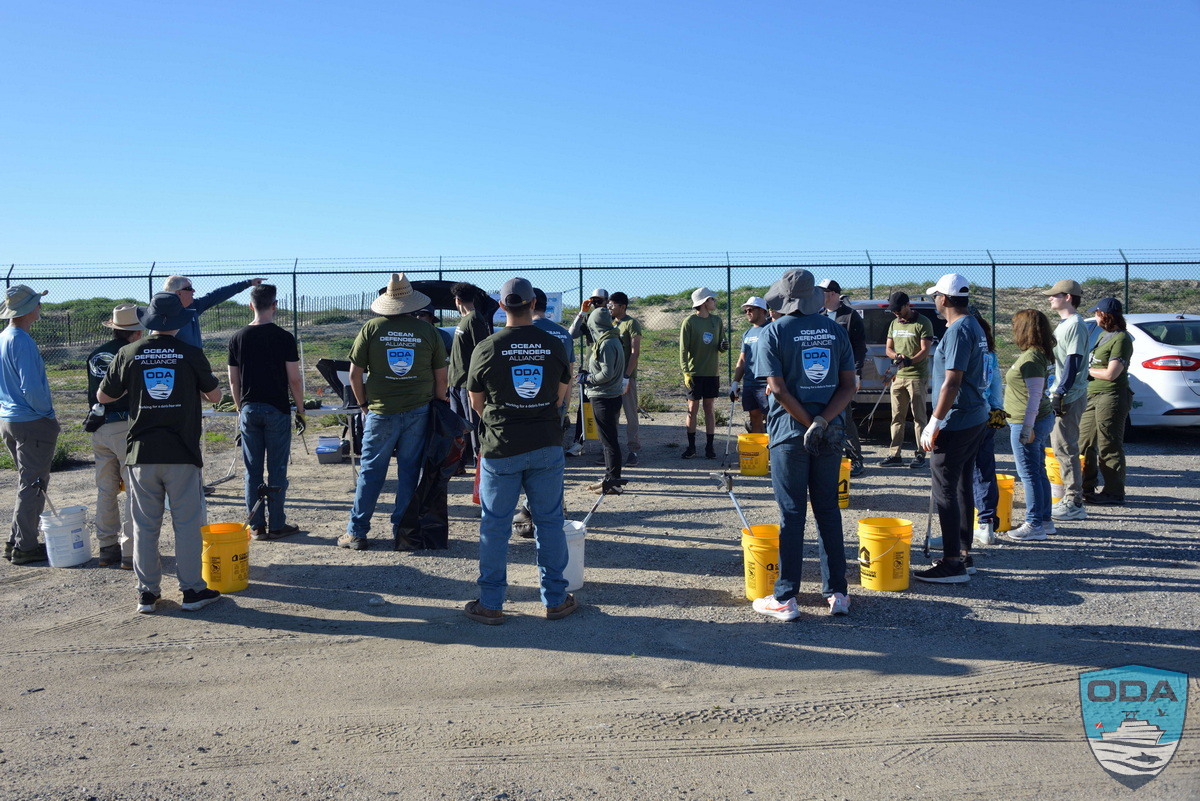 ODA's wetlands cleanup volunteer orientation.
For over a decade now, ODA has been doing our best to remove all the plastics and other man-made objects from this area. We were given a prime opportunity to help remove this dangerous material from a site that has been set aside as a critical habitat for the snowy plover. Seal Beach NWR is legally designated and managed as a National Wildlife Refuge administered by the U.S. Fish and Wildlife Service. It was established by Congress and signed into law in 1972 for habitat protection and species conservation.
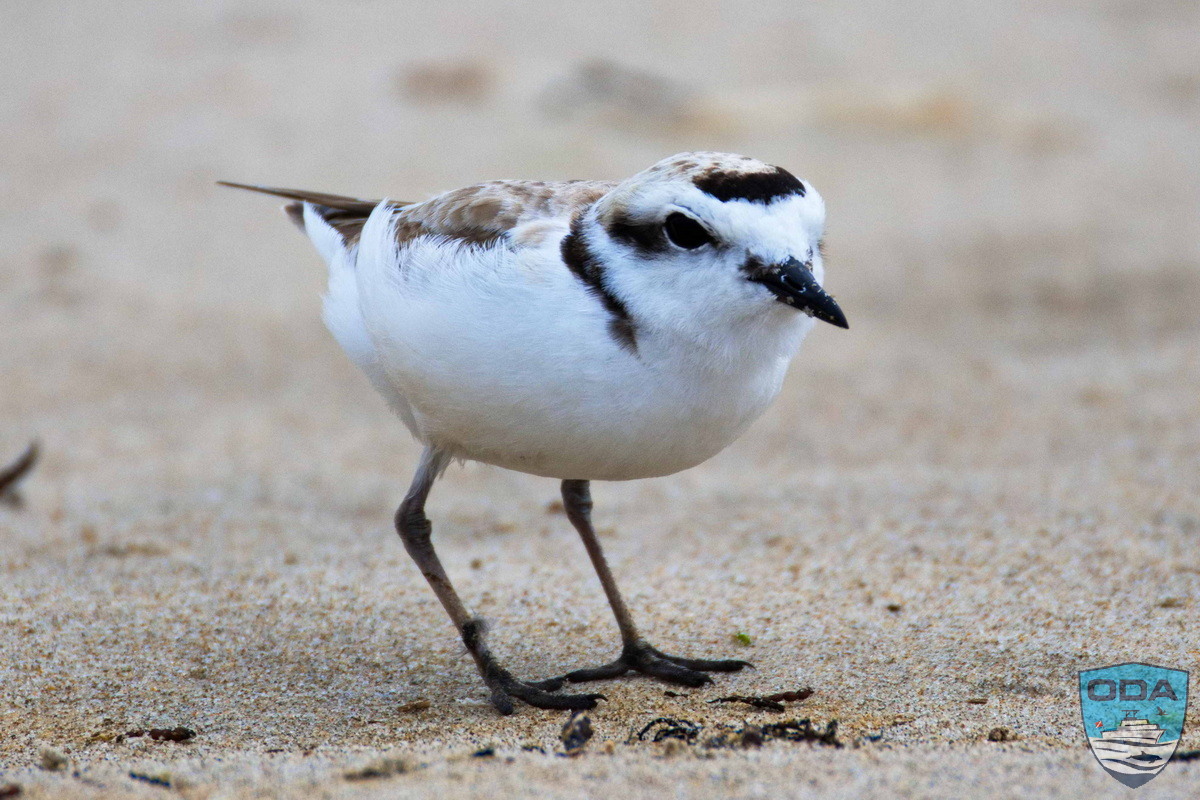
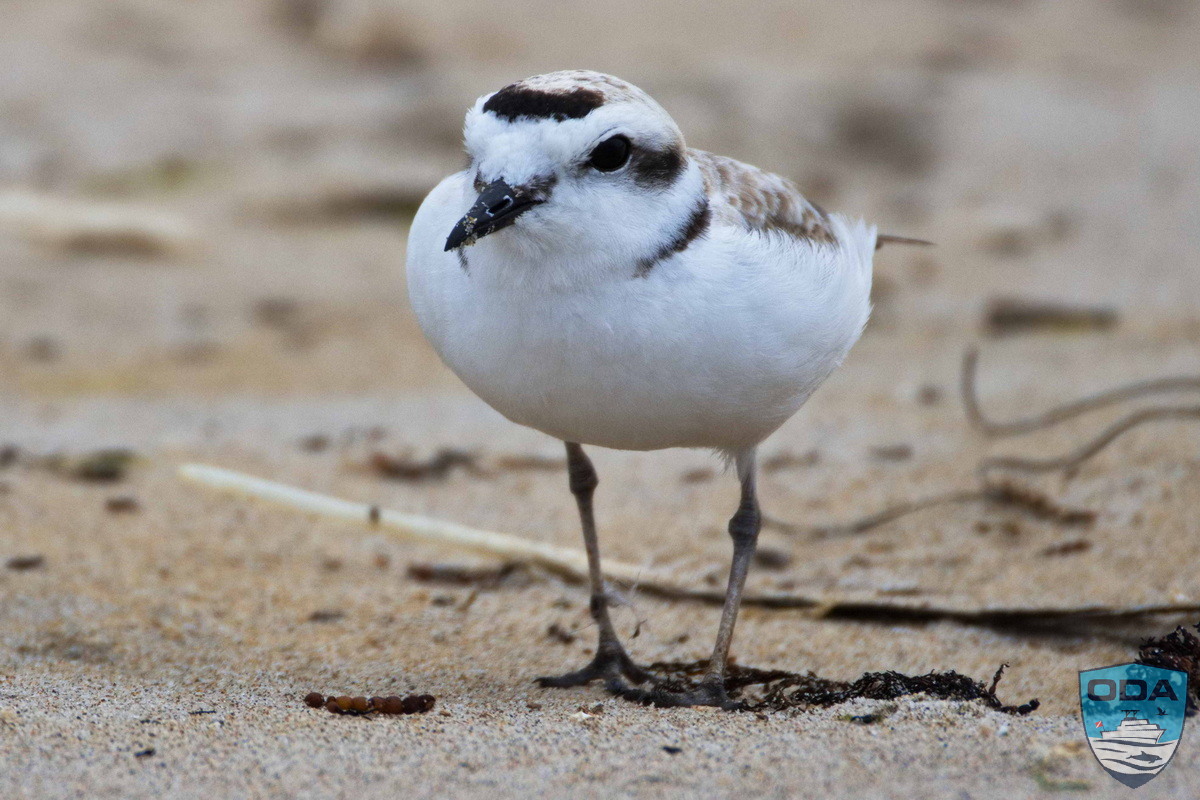
These “cute as a button” birds have been overrun by the explosion of the human population in southern California. They nest on the sandy beaches that humans have claimed for their own.
The Pacific Coast population of the western snowy plover (Charadrius nivosus nivosus) is a Threatened species under the Endangered Species Act.
In their Refuge habitat, they hang on in little patches of sand and dunes where people don’t frequently visit. Some beaches under the jurisdiction of either the state or city have roped off small areas and put up signage asking people not to enter and keep their dogs out. This is met with marginal success, as dogs off leash can’t read and easily dodge the ropes, and continue onto the beaches to romp at will.
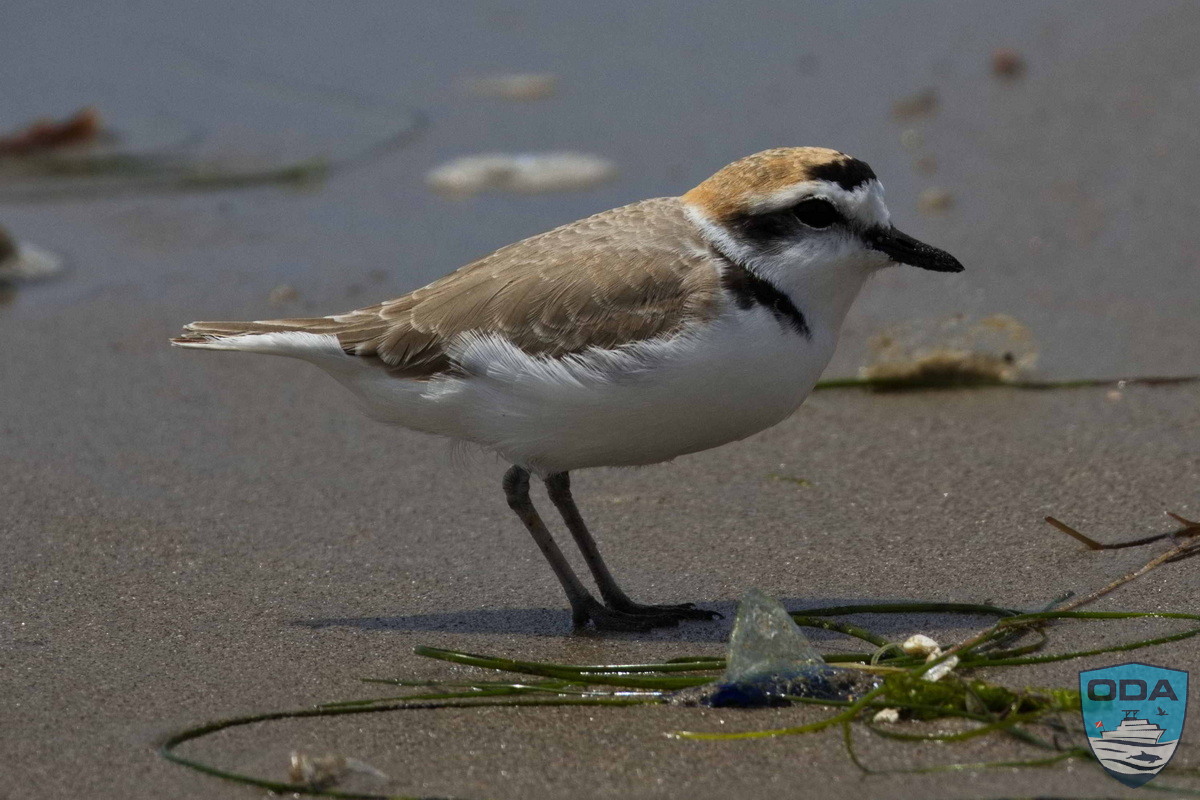
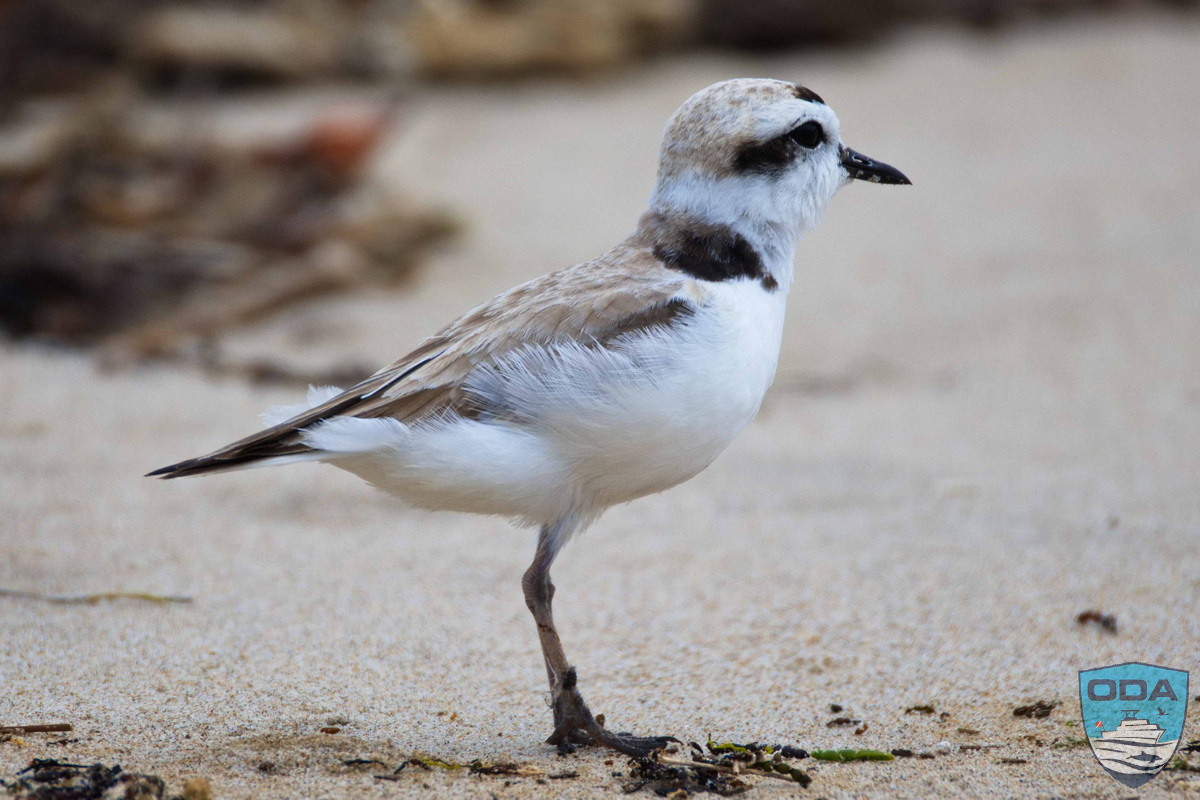
Snowy plovers are very small, no more than 6-7 inches tall, about the size of a robin. The newborn chicks are 2-3 inches high and look like a cotton ball with 2 sticks as legs. It’s no surprise at their minute size that they are easily disturbed by humans.
This spot in Huntington Beach is exceptional for plovers
There is a small patch of land that lies between some condos on one side and a jetty about 200 yards away. That jetty is lined with rocks and boulders which forms a kind of barrier that allows for the safe passage of boats that head out to the ocean via Huntington Harbor and prevents water from washing away the sand and dunes.
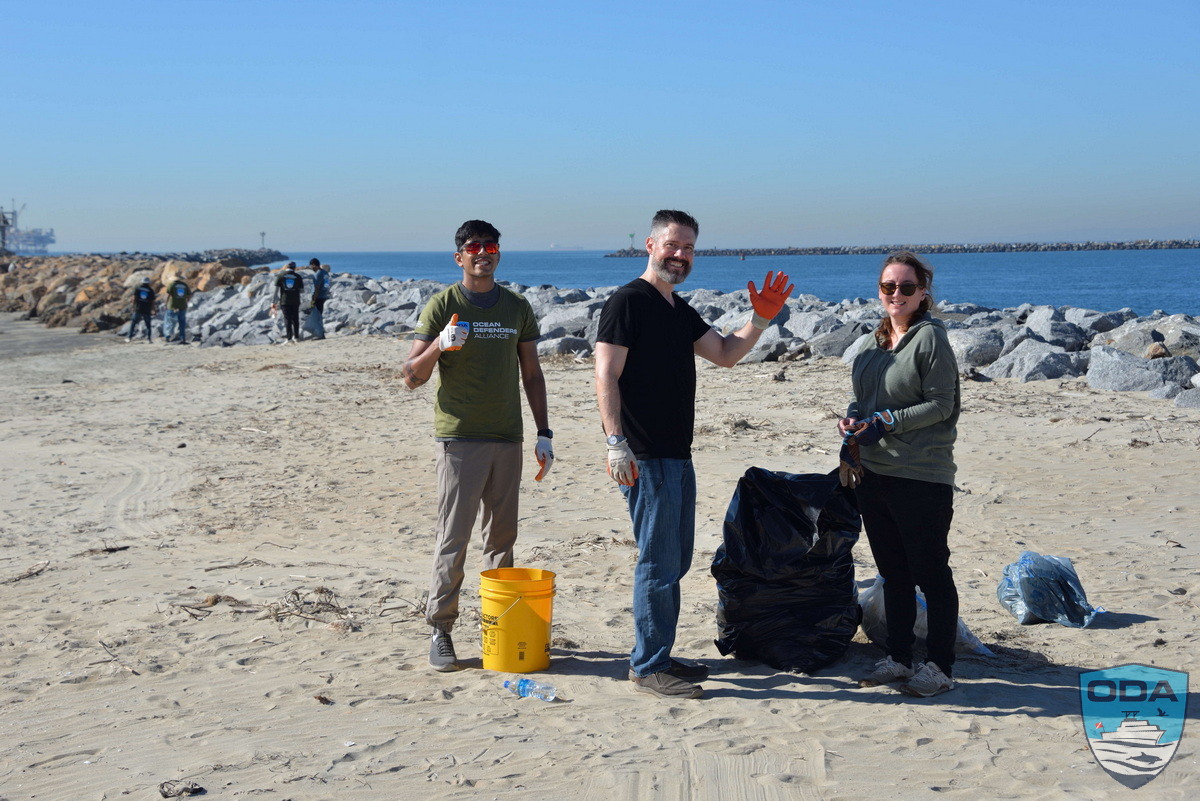
The snowy plovers use this sandy area as their resting and breeding enclave. But unfortunately, due to its proximity to the waters that flow through the harbor, tons of plastics get blown into and onto these beach and dunes.
The birds start nesting here in April, and we want to get as much debris out of there as possible before they arrive.
We put out a call to our volunteers to see if we could get a sizeable group out to work on the site, but because it was the middle of the week, I was skeptical, but it worked!
Here is the list of people who dedicated their personal free time to help the plovers:
Behdad Afkhami, Dennis Arp, Ganeshraj Balamurugan, Mahesh Bettenahalli Krishnamurthy, Madeleine Brancaccio, Ericson Calderon, Christian Carrillo, Richard Cioletz, LeAnn Johnson, Hemanth Kappanna, Abigail Klarin, Tessa Klarin, Franscisco Lopez, Shankar Mahesh, Dave and Jean Merrill, Jordan Miller, Chirag Nara Simha, Sai Nischal, Lee O’Donnell, Victoria Ornelaz, Laura Pelligrini, Fred Reed, Kim Regi, Jugal Kishore Ruvva, Tobias Schmelsle, Abrar Shaikh, Blake Storie, Lisa Taylor, Emmitt Taylor, Steve Tyler, Karthik Vakiti and Dustin Vo!
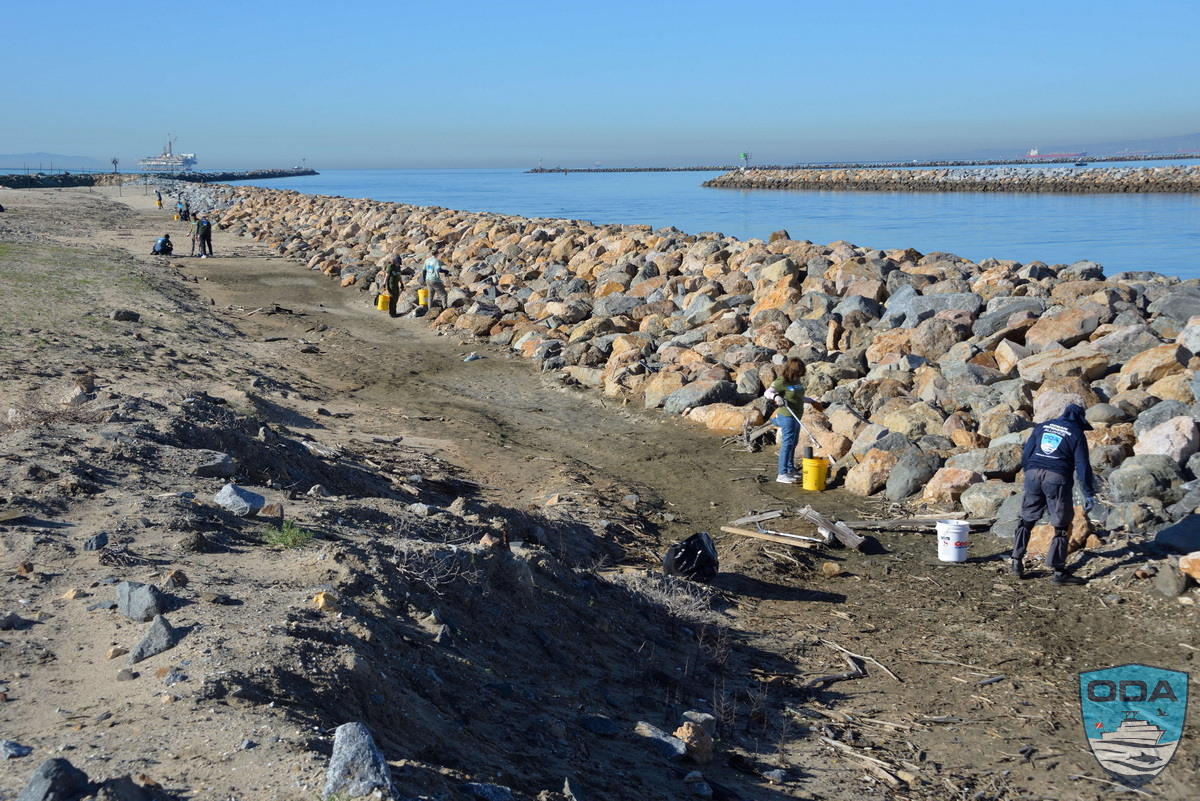
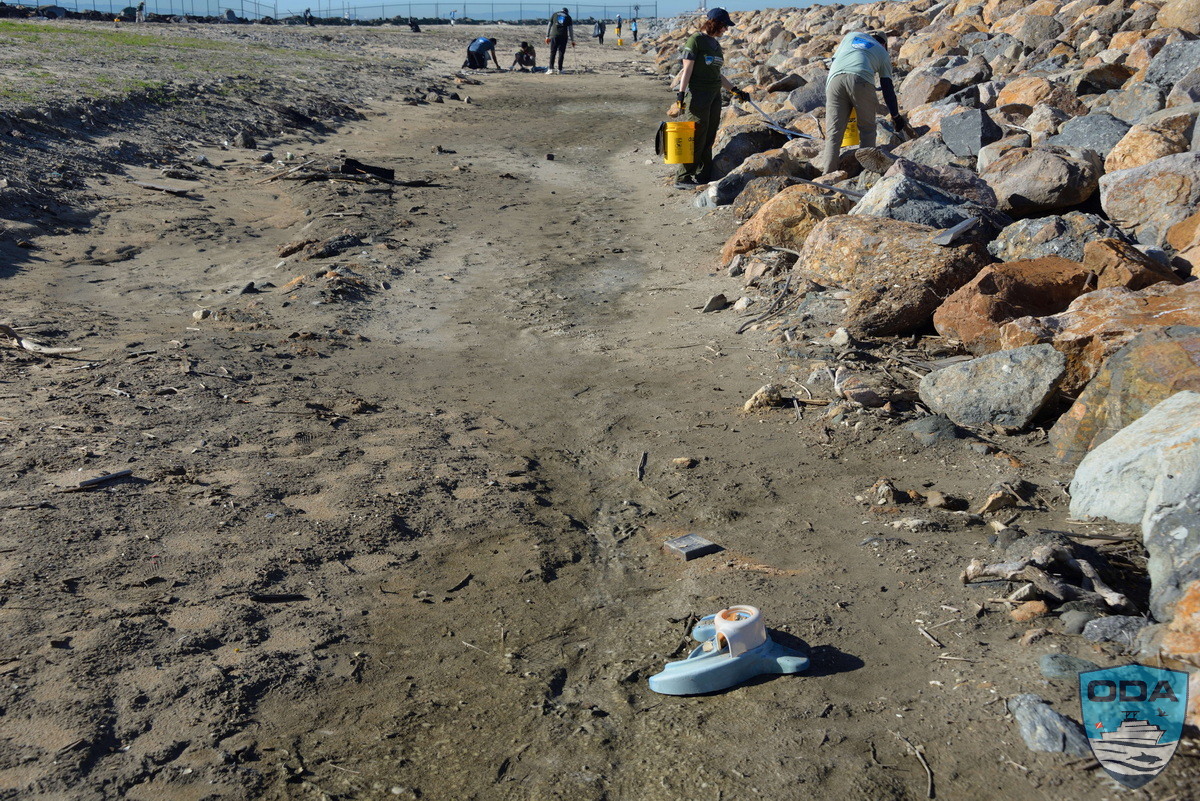
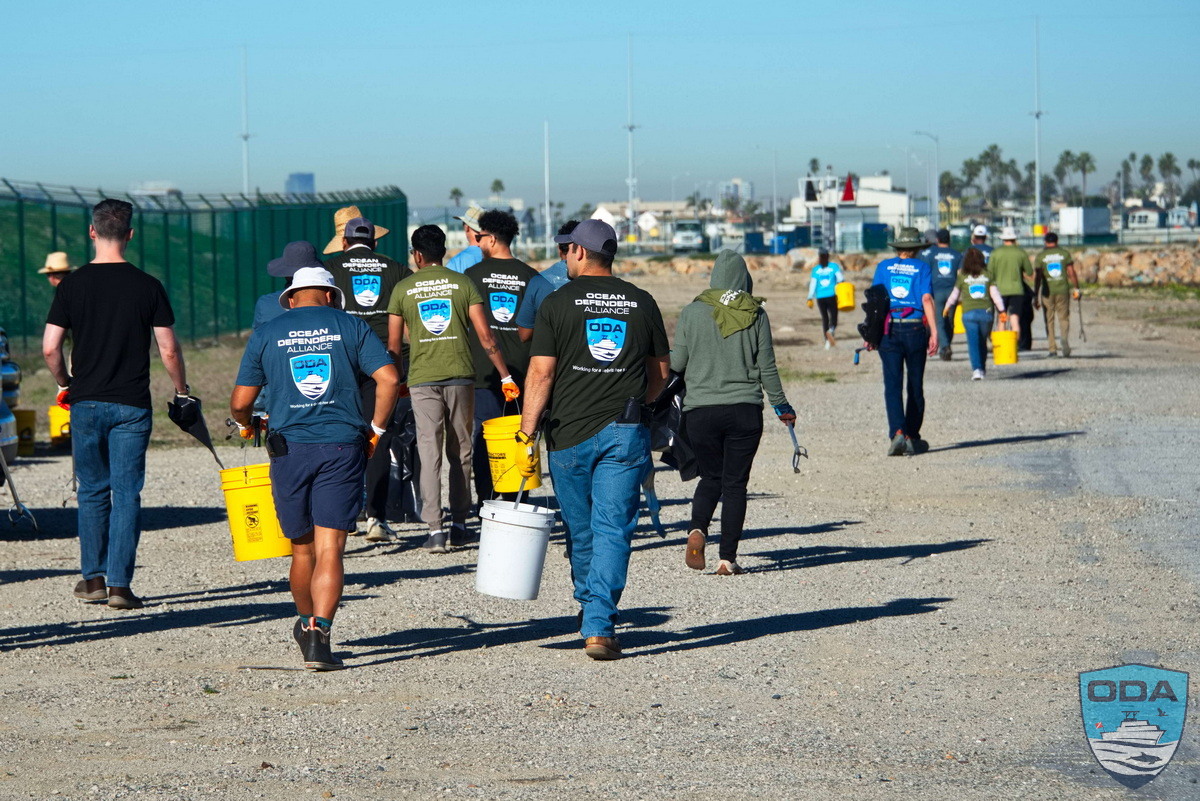 Crew heads to their assigned locations to remove debris.
Nineteen of these folks work for Mercedes Benz R&D in Long Beach. Lee O’Donnell works there and has been attending ODA cleanups for the last several months. He approached the company about letting some of their employees take a half day off work and let them help the community. Wow, did that pitch ever work. Thank you, Lee, and team Mercedes!
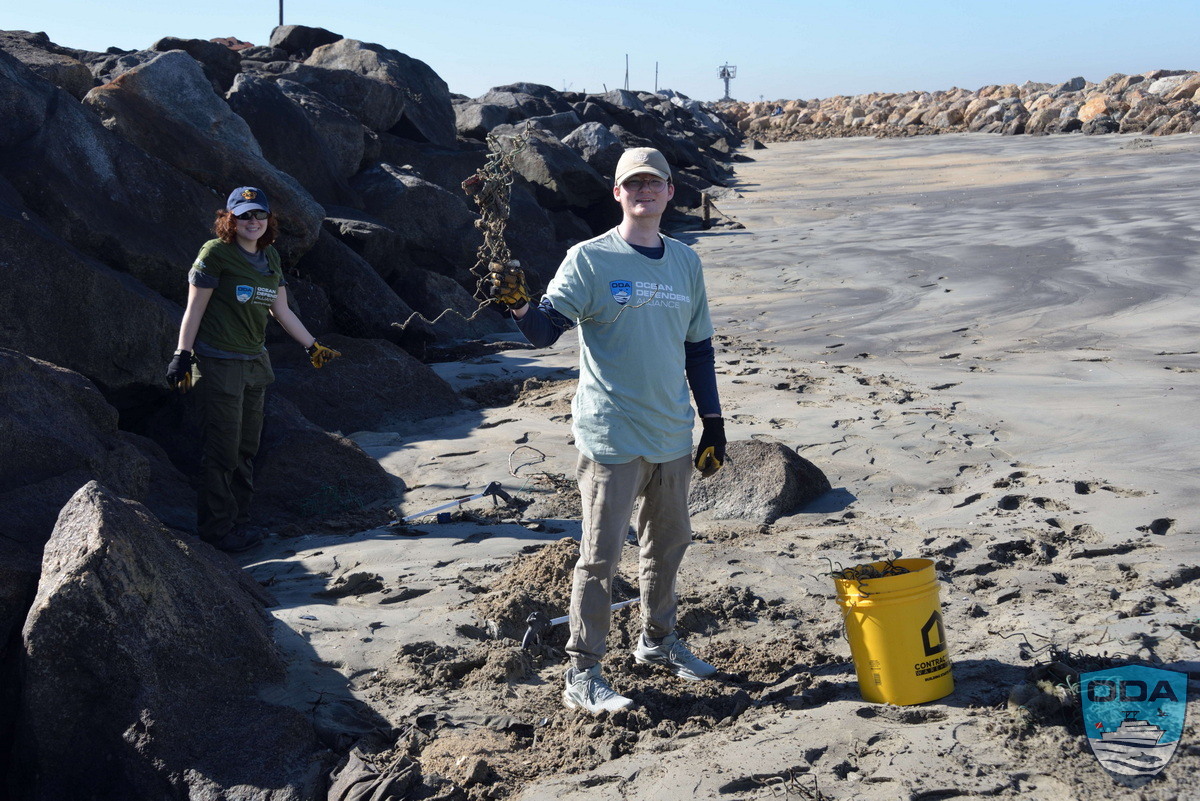
We split up into 2 groups. The first group of 7 or so people went to the dunes while the 2nd group of around 30 folks headed to the jetty and spread out over the roughly 200-yard-long expanse of sand and rocks.
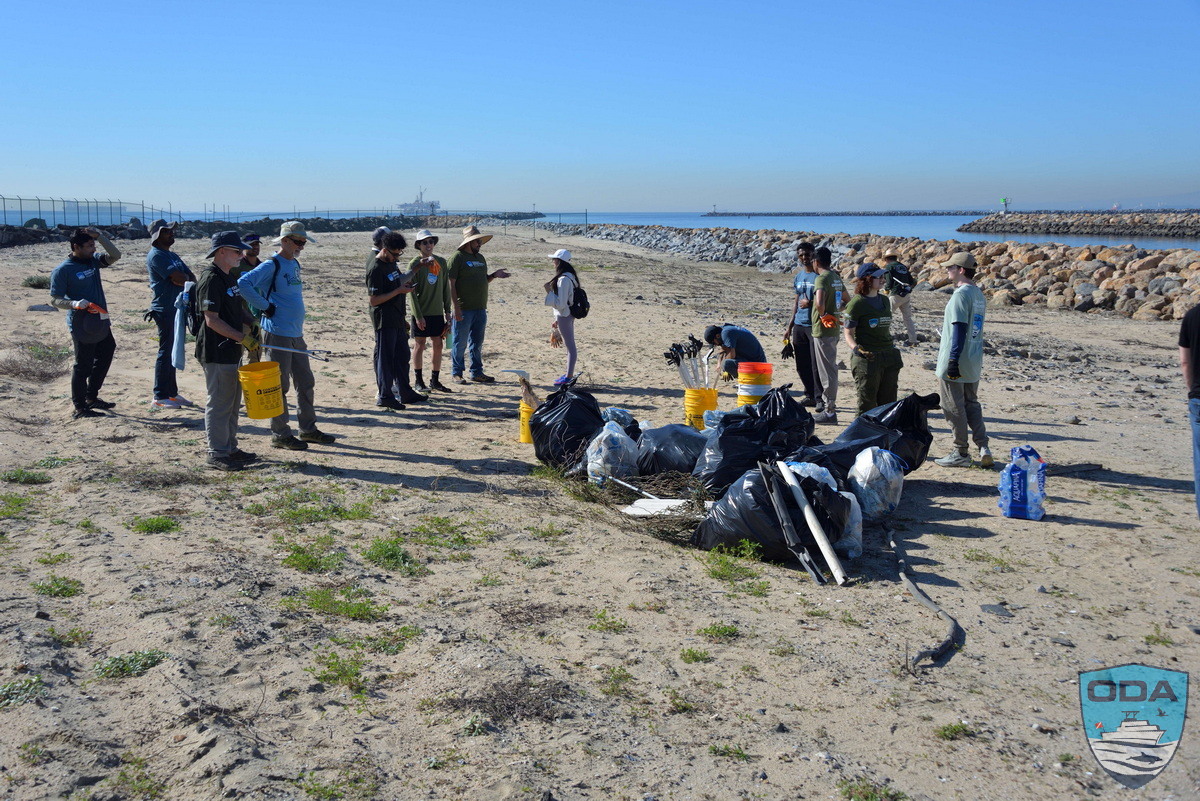
At first glance, I didn’t think we’d be finding a whole lot, but as time and patience bore out, we found lots of debris. From the usual culprits like: bottle caps, food wrappers and containers, sunglasses, swim goggles, swimsuits, with the overwhelming numbers of Styrofoam containers and broken-off pieces.
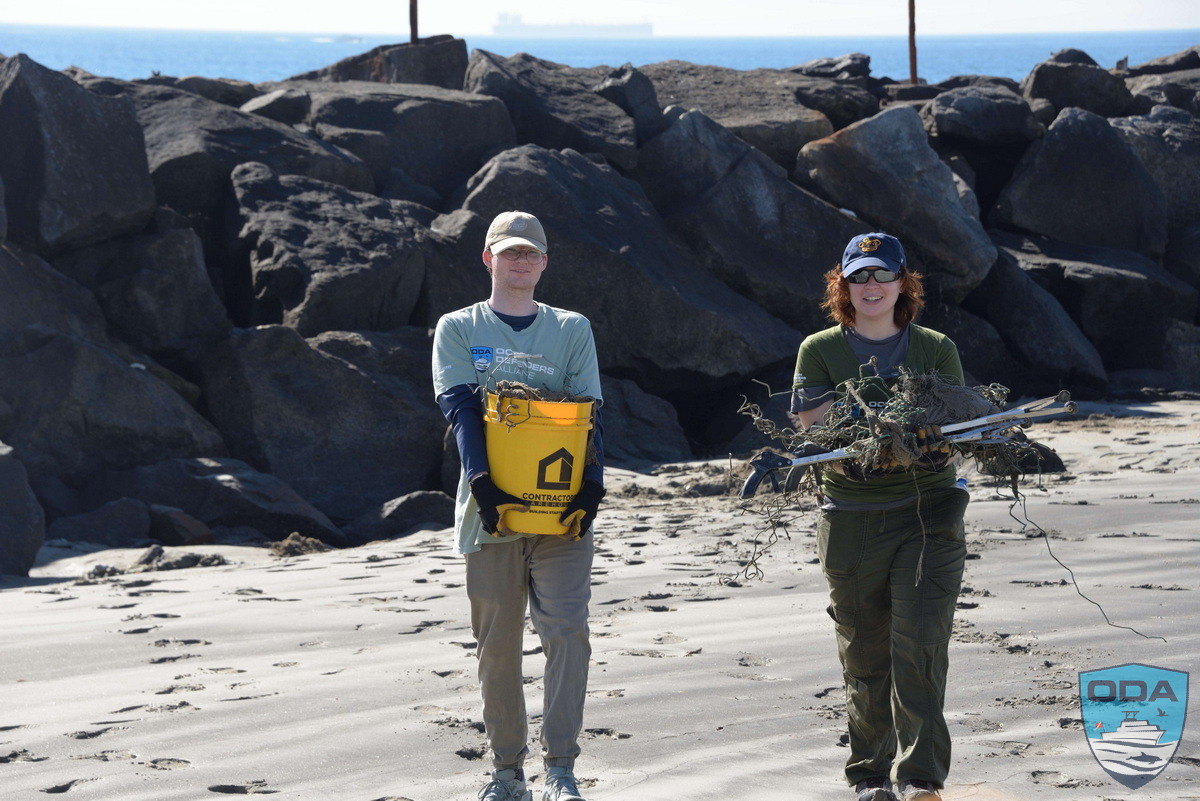
It was especially important for us to get all those little pieces of Styrofoam out of there. To a bird the little bits look like fish eggs, and they eagerly gobble them up filling up their stomachs with so much of the stuff that their stomachs feel full and they stop eating. This leads to a slow death by starvation.
Each person I talked to made comments about their utter dismay at how much of that stuff was all over the place. Imagine the effort they put in, picking up the tiny pieces with their garbage pickers!
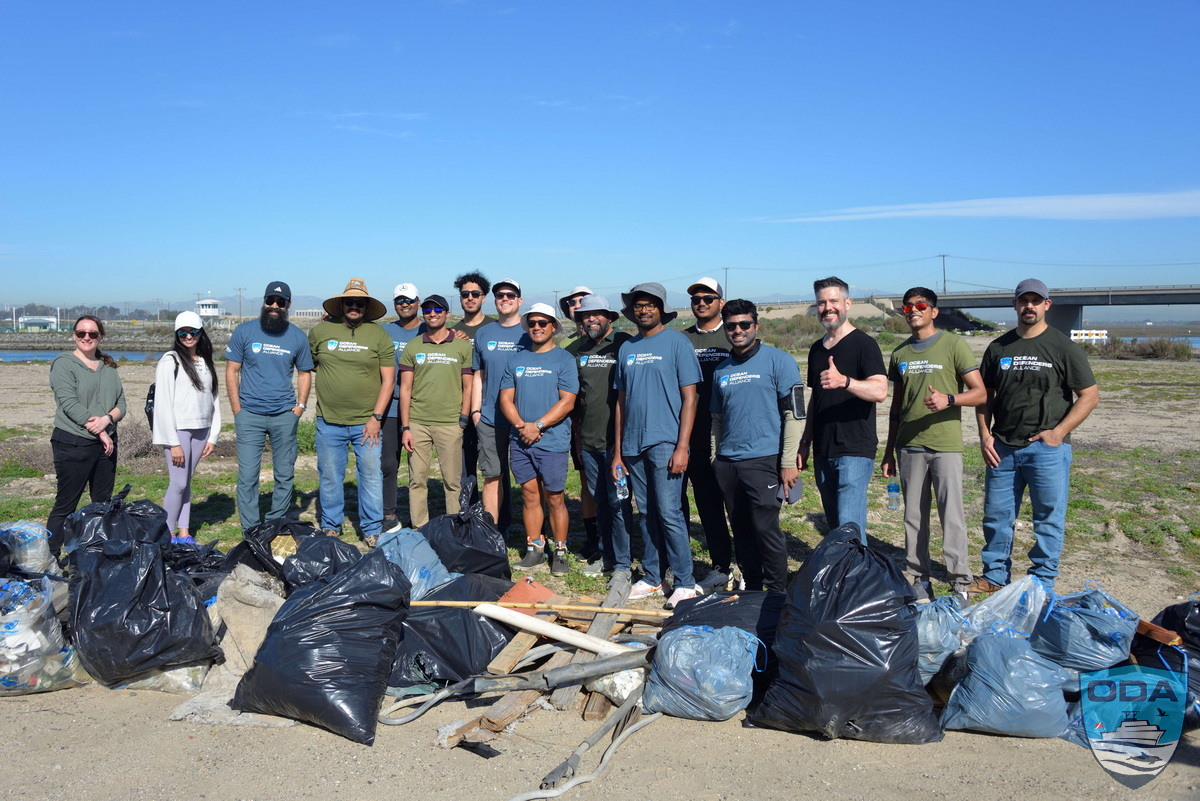
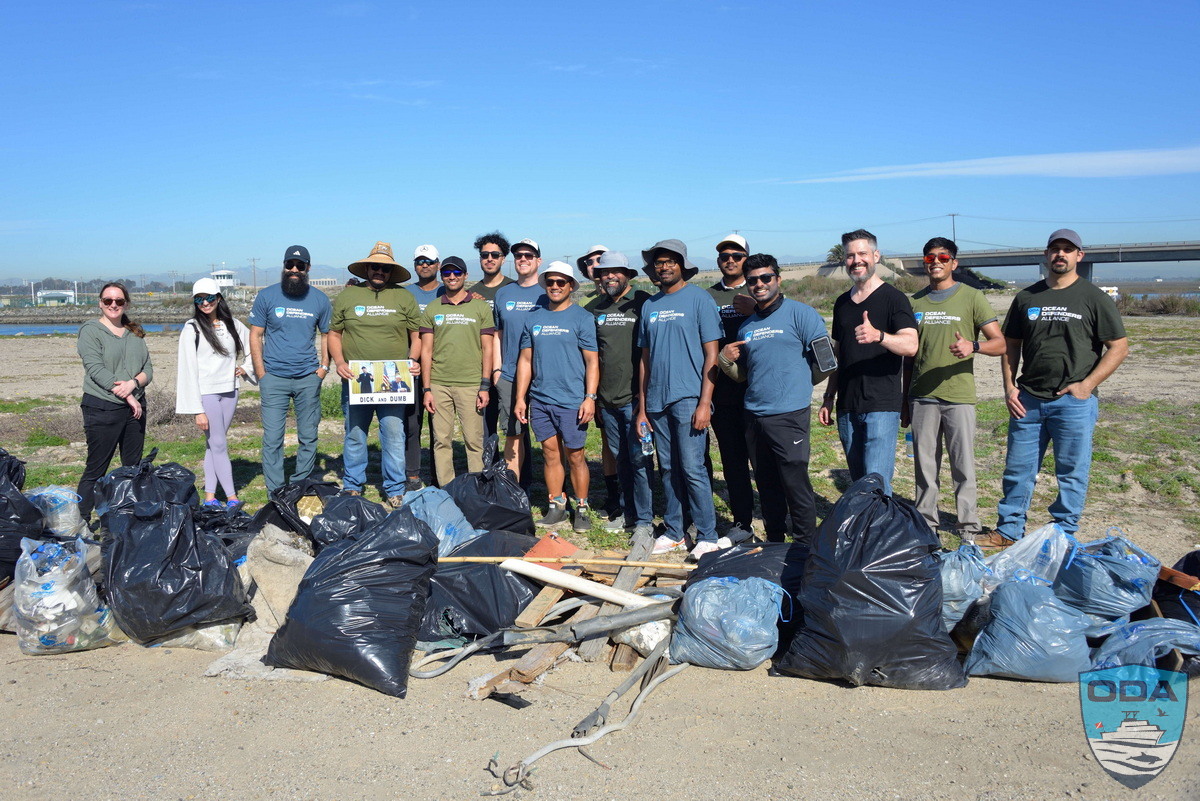
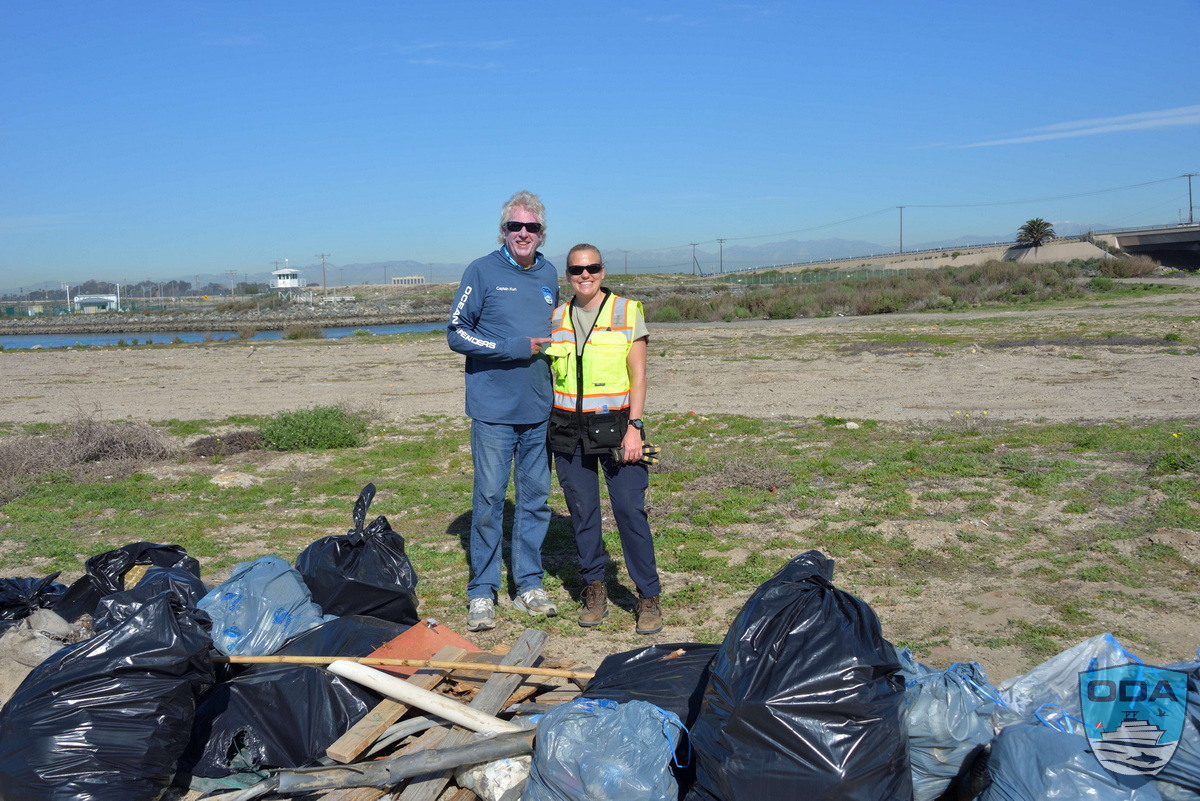
At the end of our 3-hour cleanup we gathered for the group picture, where we had placed all the debris in a pile. Rest assured, it was all delivered to a landfill.
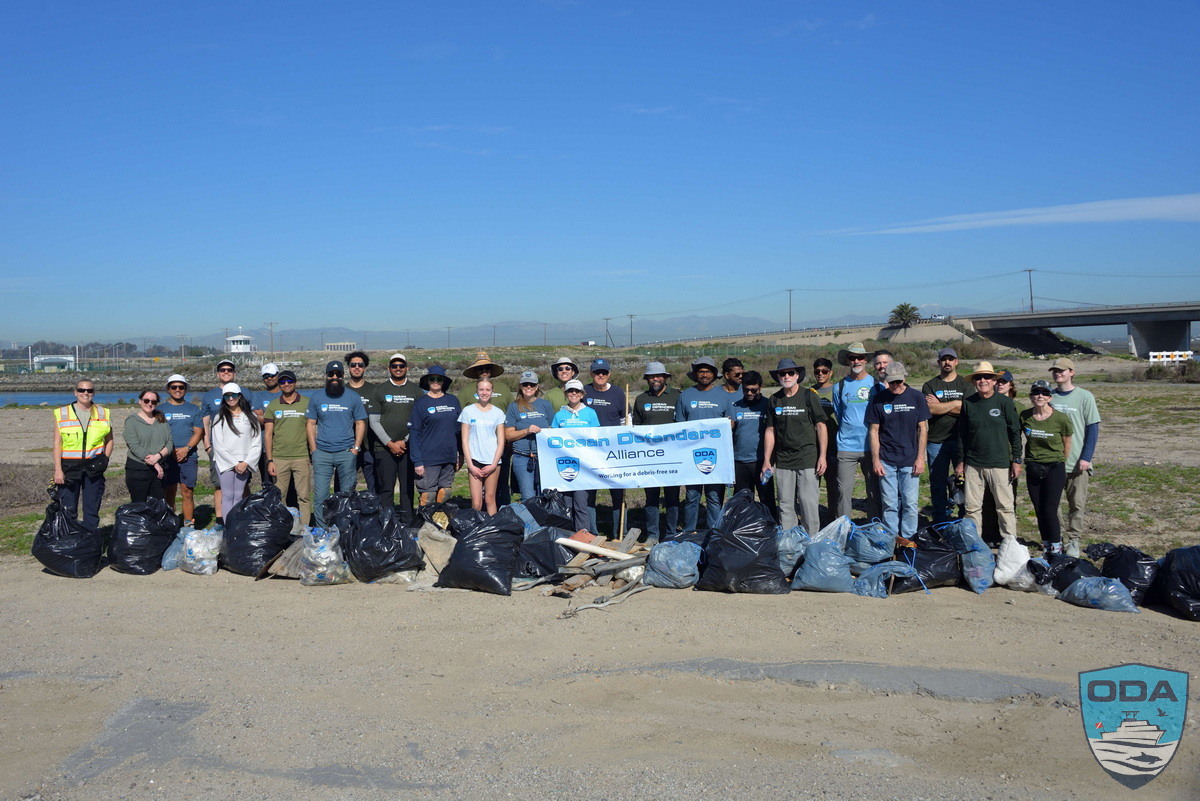 Entire ODA volunteer cleanup crew with their "Catch of the Day"!
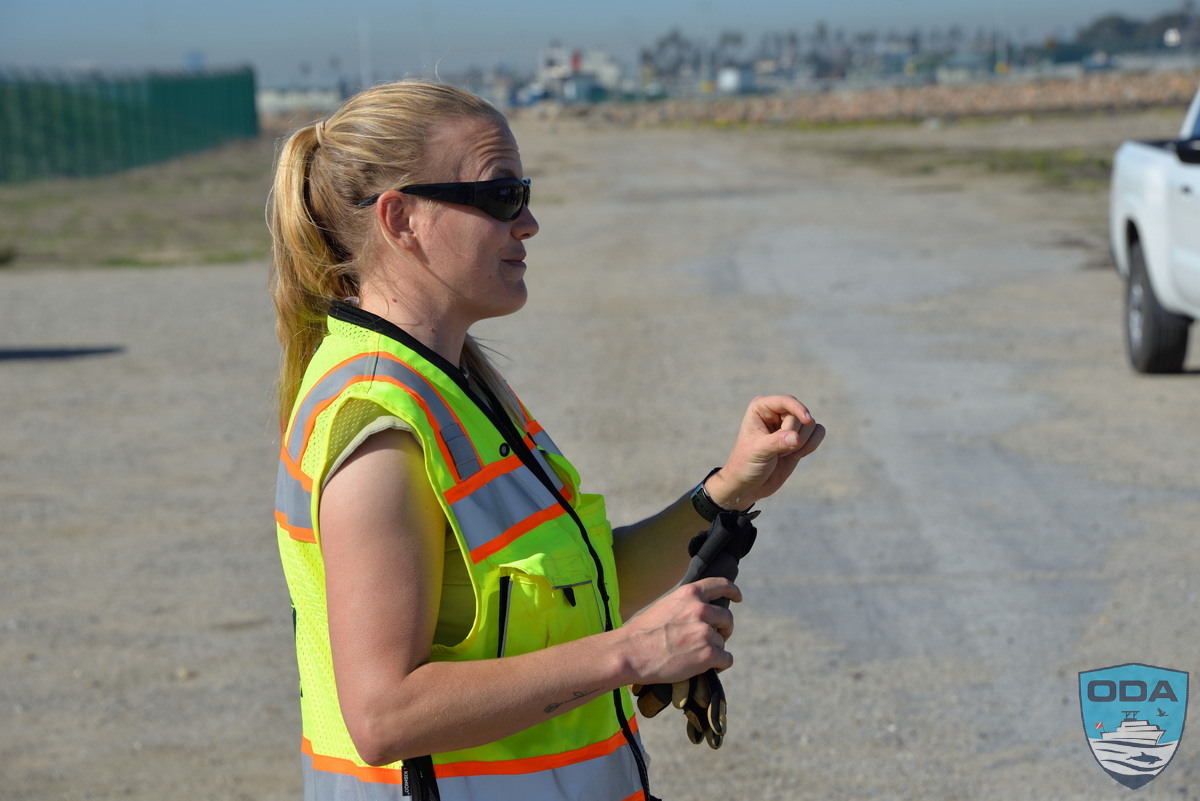
Chloe Van Grootheest stopped by and thanked everyone for helping clear this area for the upcoming nesting season. She talked about why it is so important to get rid of anything that is not natural from the site. Chloe is the lead biologist at the Seal Beach Naval Weapons Station and is the person I communicate with regularly when ODA wants to do any volunteer work in or around the base. It’s an honor and a privilege to be the only nonprofit with permission to clean this vital Refuge area.
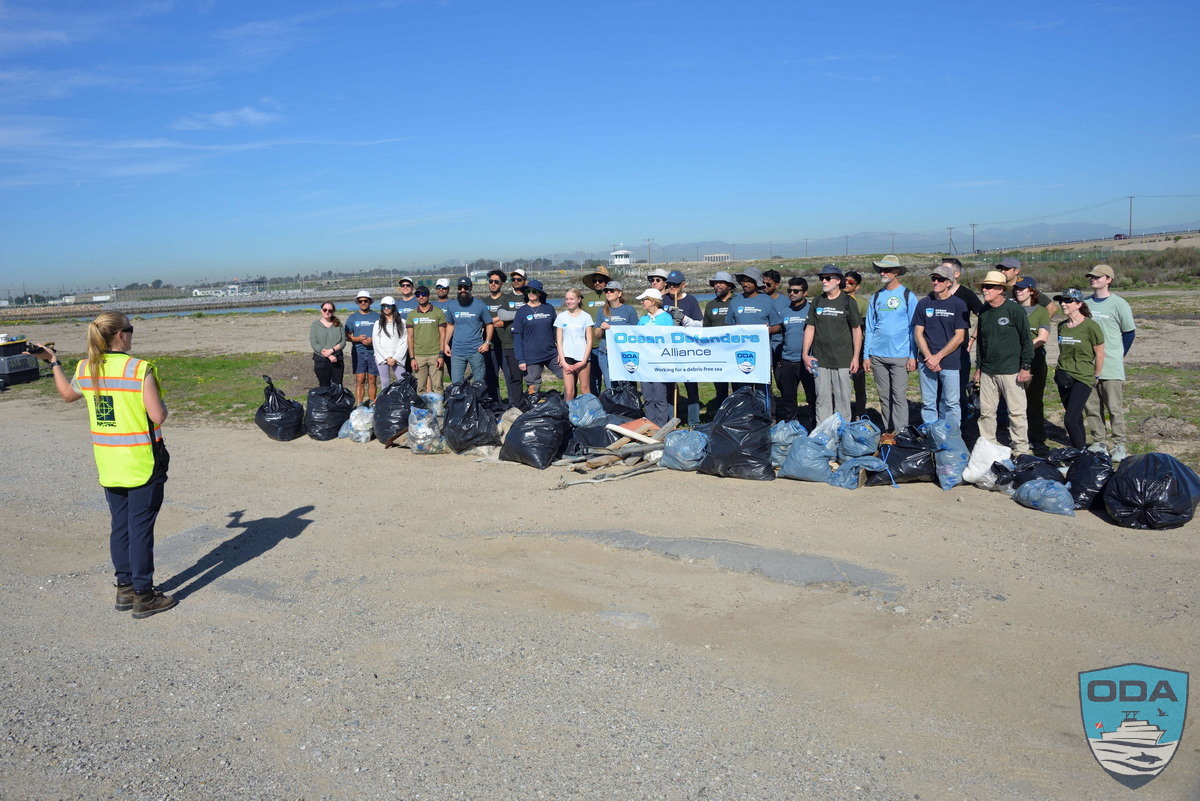
Despite the depressing reason we were out there, everyone had a good time, reinforcing our belief that we can make this world a better place. Banding together for a great cause with like-minded people – some of whom you have never met -- makes a person realize we are all in this together and we can make great impact!
We also clean the channel that runs along side the wetlands, so we have lots of room for more help. If you're in So Cal and able to join us for 3-hour cleanups, usually on Wednesdays, please let us know.